RBI Explores Polymer Currency Notes: ₹10 And ₹20 Notes May Be First In Pilot Project
RBI Explores Polymer Currency Notes: ₹10 And ₹20 Notes May Be First In Pilot Project
The Reserve Bank of India has begun the process of exploring polymer banknotes by inviting global bids for specialised printing material. If approved, Rs.10 and Rs.20 notes could be the first to switch from paper to polymer.
By Vidhi Lalla
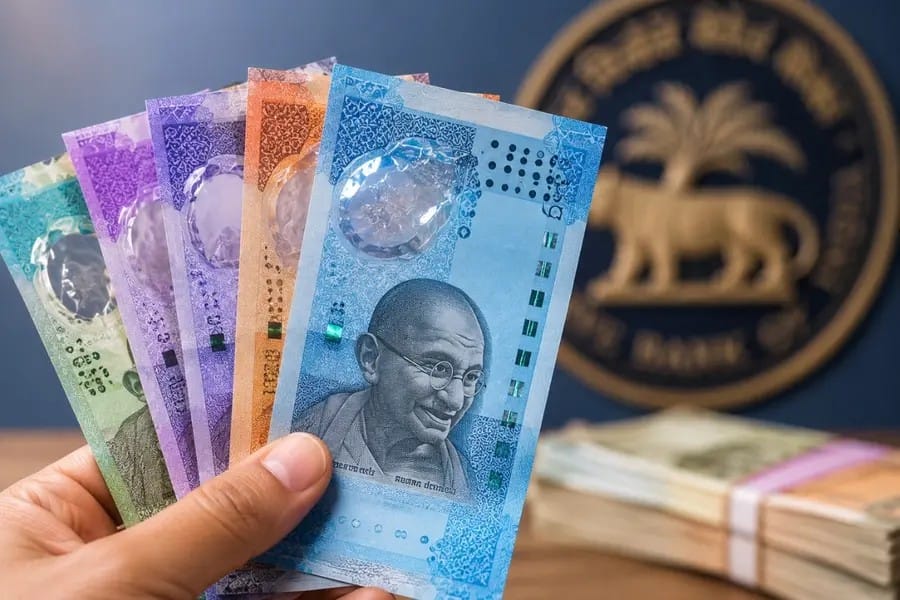
Pune: The Reserve Bank of India (RBI) has taken another step towards introducing polymer (plastic) currency notes by initiating the procurement process for specialised polymer substrates used in banknote printing. The move has sparked interest as lower denomination ₹10 and ₹20 notes are expected to be the first to undergo pilot testing if the proposal receives final approval.

The process has been initiated by Bharatiya Reserve Bank Note Mudran Private Limited (BRBNMPL), the RBI’s currency printing subsidiary. BRBNMPL has issued an Expression of Interest (EOI) inviting domestic and international manufacturers to supply polymer substrate sheets embedded with advanced security features required for printing banknotes.

Officials have clarified that this is only the initial procurement stage and does not mean polymer notes will enter circulation immediately. Interested companies have been asked to submit bids by August 18, after which technical evaluation, security checks, sample testing and field trials will follow before any final decision is taken.
Why polymer notes?
Unlike traditional paper currency made from cotton pulp, polymer banknotes are produced using a specialised plastic substrate. These notes are designed to last significantly longer and are more resistant to wear and tear, moisture, dirt and accidental damage.
Countries including Australia, Canada, the United Kingdom, New Zealand, Singapore, Malaysia, Vietnam and Brunei already use polymer currency, citing improved durability and stronger protection against counterfeiting.
Why ₹10 and ₹20 notes?
If India proceeds with a pilot project, experts believe ₹10 and ₹20 notes will be introduced first because they are the most frequently used denominations and deteriorate the fastest due to heavy circulation. Testing lower-value notes first would also help evaluate performance under Indian climatic conditions before expanding the programme.
RBI says proposal is still under examination
RBI Governor Sanjay Malhotra recently stated that polymer banknotes are under consideration and that the central bank is evaluating both the benefits and challenges before taking a final decision.
The idea is not new. India first explored polymer currency more than a decade ago. Earlier proposals included pilot projects in cities such as Jaipur, Shimla, Kochi, Mysuru and Bhubaneswar, but the plan did not progress beyond the planning stage.
Benefits of polymer banknotes
Polymer notes generally remain in circulation two to five times longer than conventional paper notes. They are waterproof, tear-resistant and less likely to accumulate dirt. Their transparent windows, holograms and other advanced security features also make them much harder to counterfeit.
Because they last longer, polymer notes may reduce the frequency of printing and replacement, potentially lowering long-term currency management costs despite their higher manufacturing cost.
Challenges before rollout
Introducing polymer currency nationwide would require significant preparation. Banks and ATM operators may need to recalibrate or upgrade cash-handling machines. The specialised polymer material is also more expensive than paper and may initially depend on overseas suppliers.
The tender issued by BRBNMPL includes strict security conditions. Suppliers must have prior experience supplying polymer substrates to central banks or banknote printers and must comply with stringent security requirements. The tender also restricts sourcing of India-specific substrates from China or Pakistan.
Cash demand remains strong
Although digital payments continue to grow rapidly, demand for physical currency remains high. Currency in circulation has continued to increase, while millions of damaged banknotes are withdrawn every year. The RBI believes polymer notes could improve durability and reduce replacement costs if eventually adopted.
For now, paper notes will continue to remain legal tender. Even if polymer notes are approved, experts expect both paper and polymer currency to circulate together during the transition period.
FAQs
1. Has the RBI decided to replace all paper currency with plastic notes?
No. The RBI has only initiated the procurement and evaluation process. No final decision on nationwide rollout has been announced.
2. Which currency notes could be introduced as polymer notes first?
If pilot testing is approved, ₹10 and ₹20 notes are expected to be introduced first because they experience the highest circulation and wear.
3. What are polymer banknotes?
Polymer banknotes are currency notes printed on a specialised plastic substrate instead of traditional cotton-based paper. They are more durable and incorporate advanced anti-counterfeiting features.
4. Why is the RBI considering polymer currency?
Polymer notes last longer, resist water and tearing, reduce replacement costs over time and offer improved security features against counterfeiting.
5. When will polymer notes be available in India?
There is no official launch date. The proposal is still at a preliminary stage involving tenders, technical scrutiny, security testing and field trials before any decision is made.