Red Sea Undersea Cable Damage Disrupts Internet in India, Pakistan, and Middle East
Red Sea Undersea Cable Damage Disrupts Internet in India, Pakistan, and Middle East
Internet connectivity was disrupted across parts of Asia and the Middle East after damage to undersea cables in the Red Sea, according to monitoring groups and telecom operators. The outages affected countries including India, Pakistan, and Saudi Arabia, raising concerns about the vulnerability of global communication infrastructure.
The exact cause of the cable cuts remains unclear. Speculation emerged about possible involvement of Yemen’s Houthi rebels, who have been active in the Red Sea as part of their campaign against Israel’s war in Gaza. However, the Houthis have denied targeting undersea cables in the past.
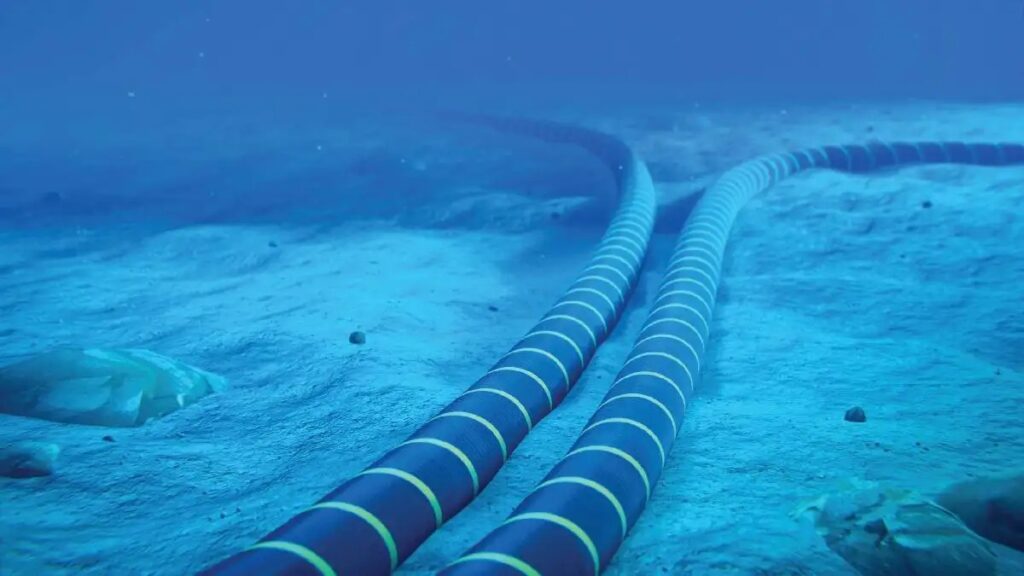
Undersea fiber-optic cables carry the majority of the world’s internet traffic, supplemented by satellites and land-based infrastructure. Disruptions force internet service providers to reroute data, often leading to slower speeds and higher latency for users.

Microsoft acknowledged the incident on its service status page, warning that users in the Middle East “may experience increased latency due to undersea fiber cuts in the Red Sea.”
Internet observatory NetBlocks confirmed multiple outages, citing failures in the SMW4 and IMEWE cable systems near Jeddah, Saudi Arabia, as the likely cause. The South East Asia–Middle East–Western Europe 4 (SMW4) cable is operated by Tata Communications, while the India–Middle East–Western Europe (IMEWE) cable is managed by a consortium led by Alcatel-Lucent.
Pakistan Telecommunications Company Ltd (PTCL) confirmed cable damage on Saturday, while Saudi Arabia and the UAE government have not issued official statements. However, internet users in the UAE, particularly those on state-run Du and Etisalat networks, reported significantly slower speeds.
Experts note that cable cuts can occur accidentally from ship anchors or fishing activities, but deliberate sabotage cannot be ruled out. Repairs are complex, often requiring weeks of maritime operations to locate and fix the damaged sections.