Rs 30,000 Salary vs Rs 75,000 Auto Earnings: Mumbai Ride Sparks Debate on Real Meaning of Success
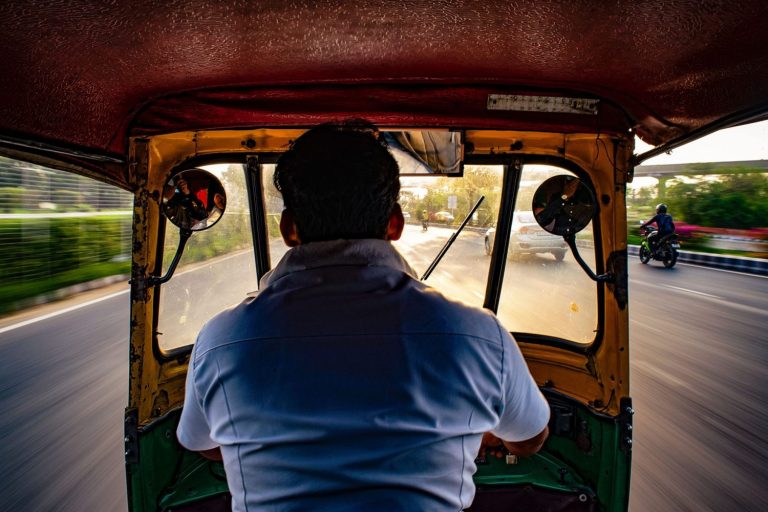
Rs 30,000 Salary vs Rs 75,000 Auto Earnings: Mumbai Ride Sparks Debate on Real Meaning of Success
Big cities are often seen as places where dreams take shape, especially for young professionals stepping into corporate life. The promise of growth, stability, and higher earnings draws many into office jobs. However, the reality on the ground can sometimes feel far less rewarding, particularly in the early years when salaries struggle to match rising living costs.
A recent experience shared by former investment banker Utkarsh Verma sheds light on this contrast in an unexpected way—through a casual autorickshaw ride in Mumbai.
A Conversation That Shifted Perspective
While navigating through the city’s busy streets, Verma struck up a conversation with his auto driver about the cost of living. The driver acknowledged that Mumbai is expensive but pointed out that people can still earn well if they find the right opportunities and work consistently.

Curious about his daily income, Verma asked further questions. The driver revealed that after covering expenses, he typically takes home around Rs 2,500 a day. When calculated over a month, this comes to approximately Rs 75,000—an amount that caught Verma’s attention.
Rethinking Corporate Pay
Reflecting on the numbers, Verma compared this income to what many fresh graduates earn in their first corporate roles. Entry-level salaries often hover around Rs 30,000 per month, a figure many consider acceptable just to secure a foothold in the industry.
The comparison highlighted a surprising reality: a job traditionally viewed as informal or less prestigious can sometimes outperform structured corporate roles in terms of immediate earnings. Verma even remarked, somewhat humorously, that driving an auto in Mumbai might offer not just better pay in some cases but also more social interaction and networking than a desk job.
A Different Side of the Story
However, this perspective doesn’t capture the full picture. Another account offers a contrasting reality of life as an autorickshaw driver. A driver who briefly appeared in Ranveer Singh’s film Dhurandhar 2 shared his struggles in an interview with a Punjab-based media outlet.
Despite his on-screen appearance, he revealed that he couldn’t afford to watch the movie in theatres. With ticket prices around Rs 500 per person, the expense was too high given his financial situation. He mentioned that he manages to save only about Rs 2,500 each month, making such outings a luxury he cannot easily afford—even though his children were excited to see him in the film.
More Than Just Numbers
These two stories together paint a nuanced picture. While some individuals in informal sectors may earn impressive daily incomes, their financial stability can vary greatly depending on circumstances, expenses, and consistency of work. On the other hand, corporate jobs may start slow but often promise structured growth, long-term benefits, and stability.
Success it seems, doesn’t follow a single path. Whether behind a desk or behind the wheel, every profession comes with its own trade-offs. The real takeaway lies in understanding that income alone doesn’t define security or satisfaction—each journey has its own challenges, and every individual measures success differently.