Rule Changes From January 1, 2026: PAN–Aadhaar, LPG, Banking, Credit Cards; How It Will Hit Your Pocket
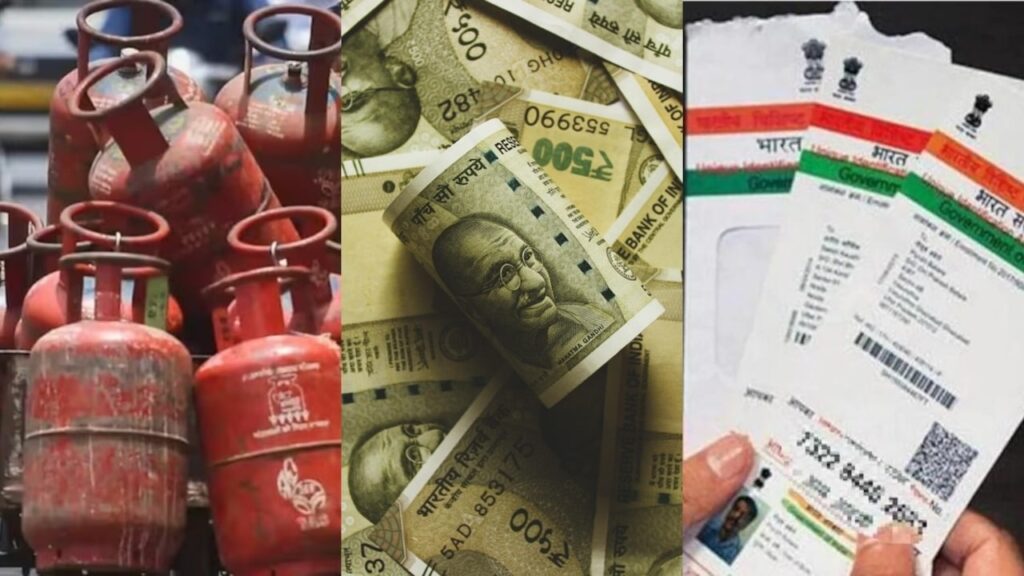
From PAN–Aadhaar linking deadlines to LPG prices, banking rules and credit card updates, several key changes will come into force from January 1, 2026, with a direct impact on household finances.
As the new year begins, a series of regulatory and policy changes are set to take effect across banking, taxation and daily household expenses. These updates, applicable from January 1, 2026, are expected to influence everything from access to essential services to borrowing, spending and savings decisions.
One of the most critical changes concerns PAN–Aadhaar linking. The government has fixed December 31, 2025 as the final deadline for linking PAN with Aadhaar. If the two are not linked by then, the PAN card may become inoperative from January 1, 2026. This can disrupt financial transactions such as filing income tax returns, opening bank accounts, investing in mutual funds, or carrying out high-value transactions. Individuals who have not completed the linking process are advised to do so immediately to avoid service disruptions.

Another major change relates to LPG gas cylinders. After a series of price revisions in recent months, expectations are high that LPG pricing will continue to be reviewed in the new year. While no fixed cut has been announced yet, any revision in domestic LPG rates from January could directly affect monthly household budgets, especially for middle- and lower-income families. Commercial LPG prices, which influence food and service costs, are also under close watch.
Banking rules are also set to change. From January 2026, updates in interest rate frameworks and compliance norms may impact savings accounts, fixed deposits and loan products. Some banks are expected to tighten credit assessments, while others may revise deposit interest rates based on liquidity and inflation trends. Customers could see changes in loan eligibility, EMIs, and returns on deposits.
Credit card rules will also see revisions. The frequency of credit score updates is expected to increase, allowing lenders to access borrower data more quickly. This means defaults, late payments or high credit utilisation may reflect faster on credit reports, affecting loan approvals and card limits. At the same time, timely repayments could help responsible users improve their credit profiles more efficiently.
There is also growing attention on government employees, with expectations that the Eighth Pay Commission may be formally implemented in phases. While exact figures are yet to be notified, discussions suggest potential salary and pension revisions in the coming period, which could have a broader impact on consumption and savings patterns.
Additionally, tax-related compliance and reporting norms may see incremental tightening, with greater emphasis on digital records, real-time data sharing and transparency. This aligns with the government’s broader push towards a more technology-driven financial ecosystem.
Overall, January 1, 2026 marks an important transition point for several financial and regulatory rules. Individuals are advised to review their documents, banking arrangements and credit usage well in advance to ensure a smooth start to the new year.
Disclaimer: This article is for general information purposes only. Readers should check official notifications or consult financial professionals for decisions related to taxes, banking or investments.