Sanskrit As Official Language: Which Indian States Have Given It Status
Sanskrit As Official Language: Which Indian States Have Given It Status
Sanskrit, one of the world’s oldest languages, continues to find relevance through official recognition and educational efforts in India
Sanskrit holds a unique place in India’s linguistic and cultural heritage. Recognised among the 22 scheduled languages in the Constitution, it carries national importance, even though its everyday usage remains limited.
Which States Have Given Official Status
Only a few Indian states have taken concrete steps to promote Sanskrit by granting it official recognition.
Uttarakhand became the first state in 2010 to declare Sanskrit as its second official language. This move was seen as a significant effort to revive and preserve the ancient language.

Nearly a decade later, Himachal Pradesh followed a similar path. In 2019, the state also granted Sanskrit the status of a second official language, strengthening institutional support for its use and promotion.
Why Sanskrit Still Matters
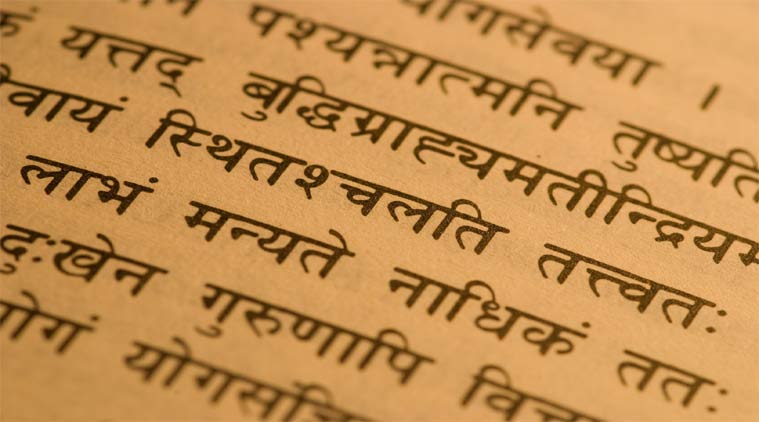
Sanskrit is not just a classical language; it forms the foundation of many Indian languages and cultural texts. Its influence can be seen in literature, philosophy, science, and religious traditions across centuries.
Role Of Education And Institutions
Today, Sanskrit continues to be taught widely in schools, typically as a third language between Classes 5 and 8, and in some cases as a second language. Educational institutions and organisations are also working to promote spoken Sanskrit and keep it relevant for future generations.
Growing Interest Beyond India
Interest in Sanskrit is no longer limited to India. Universities and institutions across countries have introduced Sanskrit studies, reflecting its global cultural and academic value.
The Larger Picture
While Sanskrit may not be widely used in daily communication, its official recognition in select states and continued presence in education highlight a broader effort to preserve India’s linguistic roots in a modern world.
Disclaimer: This article is for informational purposes only and aims to present general knowledge about language policy in India.