Electricity Bills Rising Again? This Smart Move Is Saving Thousands Every Year
Electricity Bills Rising Again? This Smart Move Is Saving Thousands Every Year
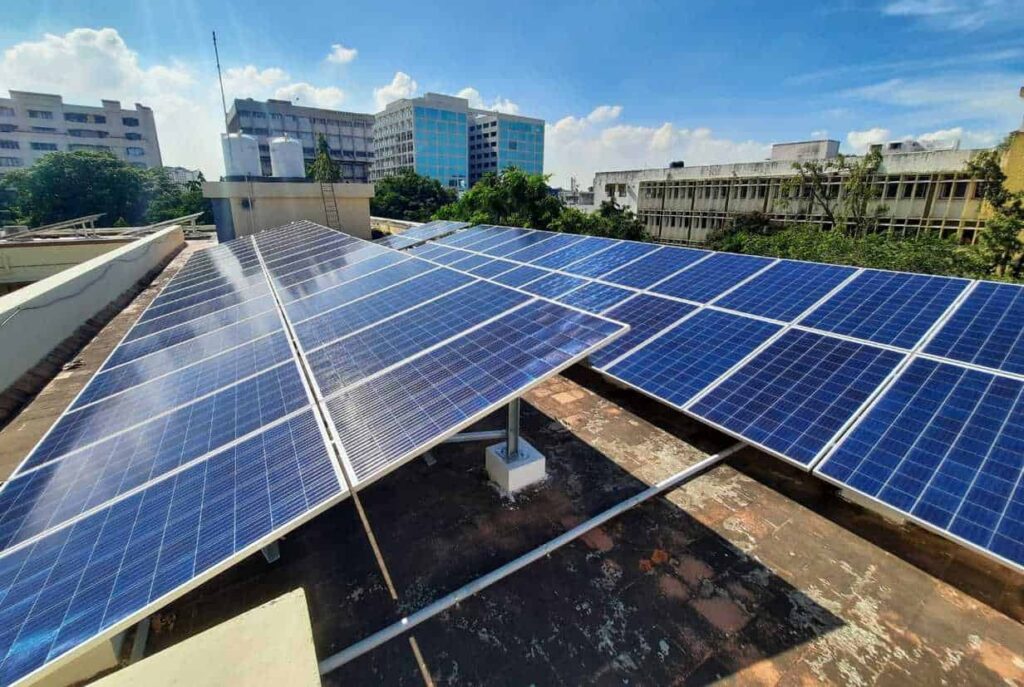
Rising electricity costs are becoming a major concern for households and businesses alike. With tariffs increasing and energy consumption on the rise, many are turning to solar power as a practical way to manage expenses while ensuring long-term energy security.
How Solar Panels Function
Solar panels generate electricity using photovoltaic (PV) cells that absorb sunlight and convert it into direct current (DC). This DC power is then converted into alternating current (AC) through an inverter, making it suitable for everyday use.

The electricity produced can power essential appliances such as lights, fans, televisions, and refrigerators. Any surplus energy can either be stored in batteries or fed back into the grid, depending on the setup.
Immediate Savings on Power Bills
One of the biggest benefits of solar panels is the noticeable reduction in electricity bills from the very beginning. As solar energy covers a significant portion of daily consumption, reliance on grid electricity drops.
This can lead to savings of up to 70–80%, and in some cases, households may see their electricity bills reduced to nearly zero when systems are optimally sized.
Protection from Rising Tariffs
Electricity prices tend to increase over time due to fuel costs and growing demand. Solar energy helps users avoid these fluctuations, offering a more predictable and stable energy cost.
Once installed, the cost of generating power from solar panels remains largely constant, making long-term financial planning easier.
Maximizing Value Through Net Metering
Net metering allows users to make the most of their solar systems by sending excess electricity back to the grid during the day.
This energy is credited to the user’s account and can be used later, such as at night. At the end of the billing cycle, consumers are charged only for the net electricity used, and in some cases, they may even receive additional financial benefits.
Less Dependence on the Power Grid
Solar systems reduce dependence on conventional electricity supply, which is especially beneficial in areas prone to power cuts or voltage fluctuations.
When combined with battery storage, solar setups can provide backup power during outages, ensuring uninterrupted electricity and protecting appliances.
Long-Term Financial Gains
Although installing solar panels requires an initial investment, the long-term returns are significant. Most systems last over 25 years and need minimal maintenance. The cost is typically recovered within 4 to 6 years through savings on electricity bills.
After this period, users continue to benefit from nearly free electricity, leading to substantial long-term savings. Additionally, properties equipped with solar systems often see an increase in value.
Government Support Boosts Adoption
To encourage the shift to renewable energy, governments offer various incentives, including subsidies for residential users and tax benefits for businesses.
These initiatives help lower the upfront cost and make solar energy a more accessible and affordable option for a wider audience.