Say Goodbye to Damp Walls: 7 Indoor Plants That Help Control Mold Naturally
Say Goodbye to Damp Walls: 7 Indoor Plants That Help Control Mold Naturally
Moisture inside the house can quietly turn into a serious problem. Dark corners, bathroom tiles, and even painted walls often develop stubborn patches of mold, especially during the rainy season or colder months. When rooms stay closed for long periods and fresh air cannot circulate properly, humidity builds up and creates the perfect breeding ground for fungus.
While proper ventilation and cleaning are essential, adding the right indoor plants can also make a noticeable difference. Certain houseplants are known for absorbing excess moisture, purifying indoor air, and reducing airborne particles that encourage mold growth. Here are seven powerful plants that can help you maintain a healthier and fresher living space.
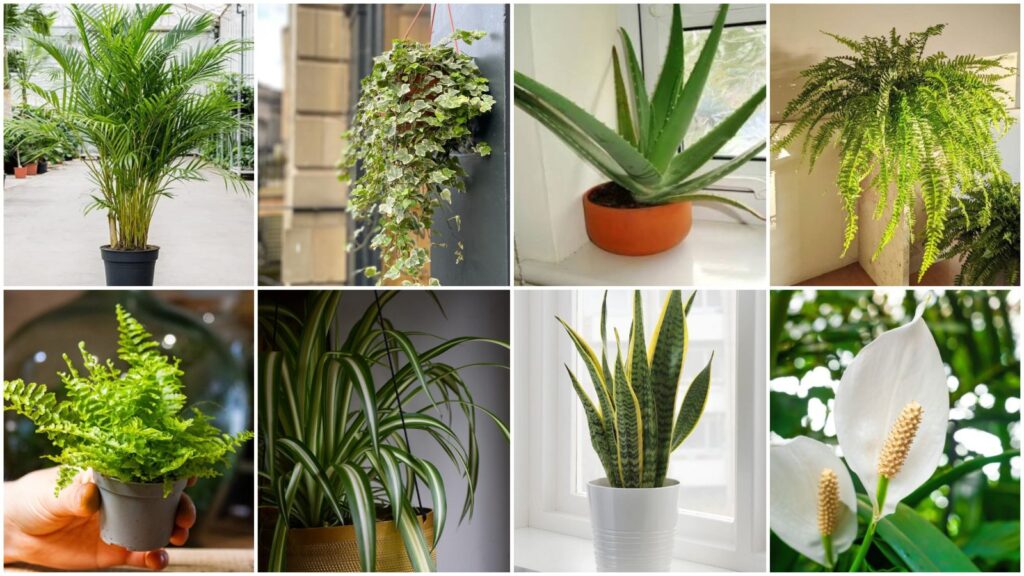
1. Areca Palm

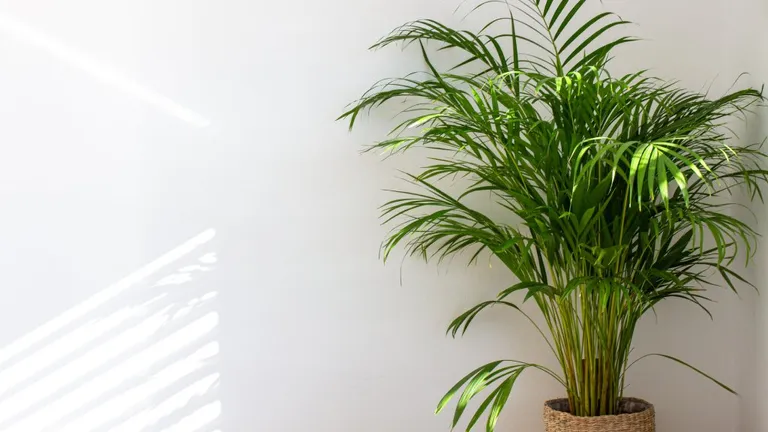
Areca Palm is a popular indoor plant that helps regulate humidity levels in enclosed spaces. It works as a natural air purifier by filtering harmful toxins while maintaining moisture balance. Placing it in your living room or near windows can help create a fresher indoor environment.
2. English Ivy
English Ivy is widely appreciated for its ability to reduce airborne mold spores. It performs well in areas with limited sunlight, making it an excellent choice for bathrooms or shaded corners. This trailing plant not only fights humidity issues but also adds a decorative touch.
3. Aloe Vera
Aloe Vera is low maintenance and adapts easily to dry indoor conditions. It helps in managing moisture accumulation and thrives even with minimal care. Keeping Aloe Vera at home offers both air quality benefits and medicinal value.
4. Boston Fern
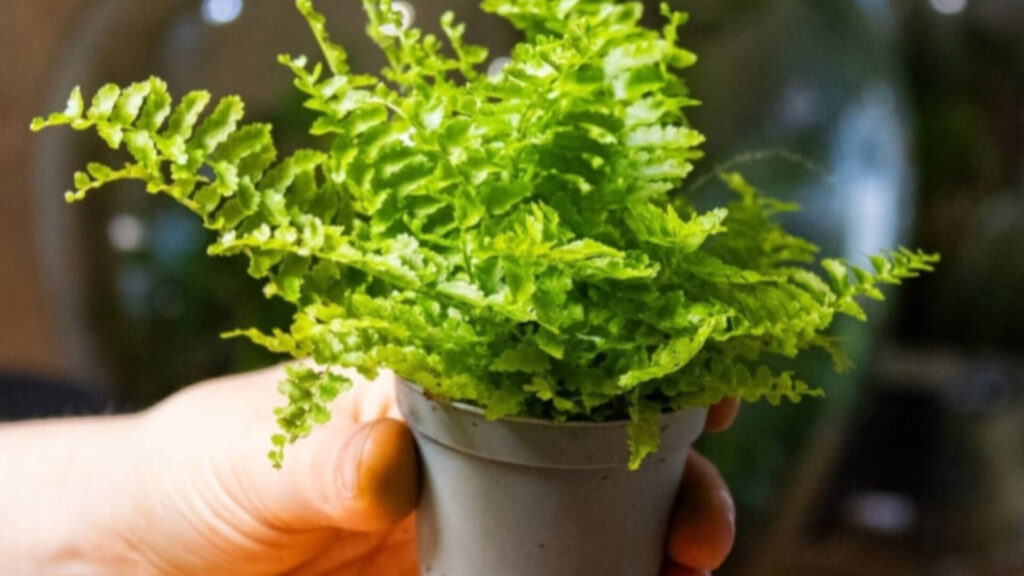
Boston Fern is known for absorbing excess humidity from the air. It also releases oxygen, helping maintain a clean and refreshing atmosphere indoors. This plant does especially well in slightly humid areas where mold growth is usually a concern.
5. Spider Plant
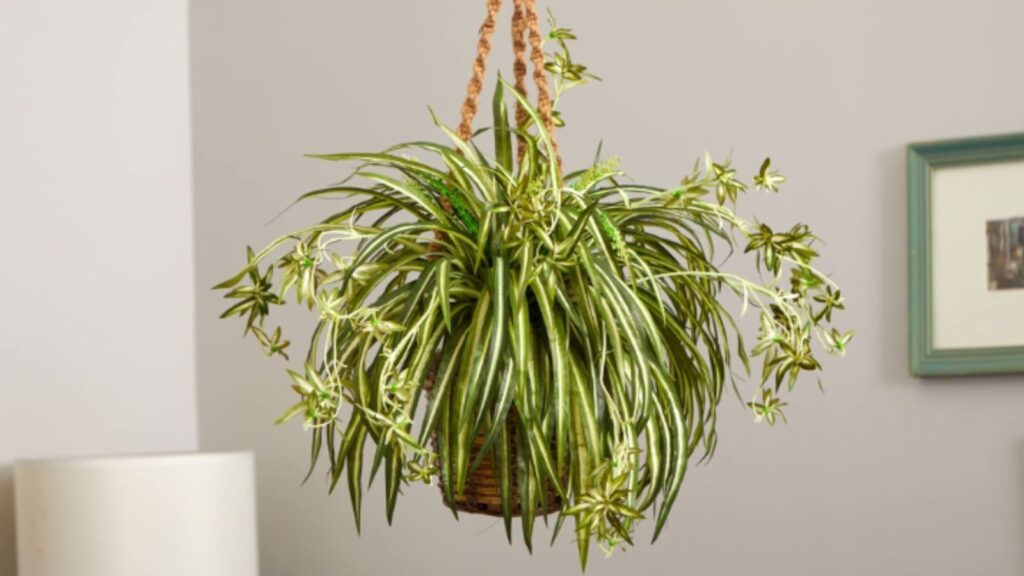
Spider Plant improves indoor air movement and helps remove pollutants that contribute to fungal growth. It is extremely easy to grow and survives in different light conditions, making it perfect for beginners.
6. Snake Plant
Snake Plant is highly resilient and survives with very little water. It performs well in dry air and helps control moisture related problems. Its ability to thrive in low light conditions makes it ideal for bedrooms and hallways.
7. Peace Lily

Peace Lily not only enhances the look of your interiors with its elegant white blooms but also helps absorb mold spores from the air. It contributes to cleaner indoor air while adding a calm and refreshing vibe to any room.
Why These Plants Help Reduce Mold
Mold typically develops in damp, poorly ventilated spaces. These indoor plants support a healthier home in different ways. Some absorb extra moisture from the surroundings, others improve air circulation, and many help filter harmful particles present in the air. By naturally balancing humidity levels and purifying the indoor atmosphere, they make conditions less favorable for fungal growth.
Note: This article is for informational purposes only. Indoor plants can support better air quality and help manage humidity levels, but they are not a complete solution for serious mold or dampness problems.