Say No to Plastic: 10 Easy Steps to Reduce Waste and Protect Our Planet
Say No to Plastic: 10 Easy Steps to Reduce Waste and Protect Our Planet
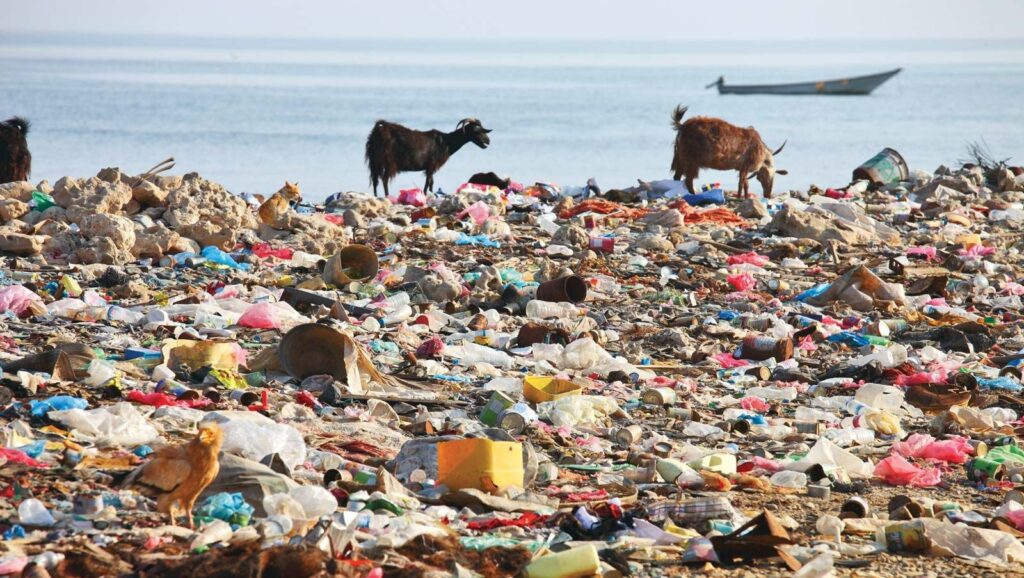
Plastic pollution is now a major environmental concern worldwide, impacting ecosystems on land and in the seas. Every year, millions of tons of plastic waste are produced, and a large portion of it finds its way into rivers and oceans, posing a danger to marine creatures and contaminating their natural environments. This pollution not only harms wildlife, as animals can ingest or become entangled in plastic debris, but it also disrupts food chains and can lead to the decline of various species. Additionally, microplastics have entered the food supply, raising concerns about human health.
Plastics take hundreds of years to break down, during which time they release toxic chemicals and fragments into harmful microplastics. These microplastics can infiltrate ecosystems, posing risks to both wildlife and human health. They can be ingested by marine animals, leading to health issues and potentially entering the food chain, which raises concerns about food safety for humans. Furthermore, the accumulation of plastics in oceans contributes to the formation of large garbage patches, which disrupt marine navigation and harm biodiversity.
In addition to environmental impacts, the production of plastic also contributes to greenhouse gas emissions, exacerbating climate change. Efforts to combat plastic pollution include promoting biodegradable alternatives, implementing stricter regulations on plastic production and waste, and encouraging community clean-up initiatives. Public awareness campaigns are vital to educate people about the importance of reducing plastic use and adopting sustainable habits to protect our planet for future generations.

Here are some steps to reduce plastic waste:
1. Reduce Single-Use Plastics: Avoid products like plastic bags, straws, and utensils. Opt for reusable alternatives such as cloth bags, metal straws, and glass or stainless steel containers.
2. Choose Sustainable Packaging: Support brands that use eco-friendly packaging materials. Look for products that are packaged in glass, paper, or biodegradable materials instead of plastic.
3. Recycle Properly: Make sure to recycle plastics according to local guidelines. Clean and sort recyclables to ensure they are processed correctly.
4. Participate in Clean-Up Efforts: Join community clean-up events to help remove plastic waste from natural areas like beaches, parks, and rivers.
5. Educate Others: Share information about the impact of plastic pollution with friends and family to raise awareness and encourage them to make sustainable choices.
6. Support Legislation: Advocate for policies that aim to reduce plastic production and encourage recycling initiatives at the local, national, and global levels.
7. Buy in Bulk: Purchase items in bulk to minimize packaging waste. Bring your own containers to stores that allow it.
8. Compost: If possible, compost organic waste instead of using plastic bags for disposal. This reduces the amount of plastic that ends up in landfills.
9. Choose Natural Fibers: When buying clothing, opt for natural fibers like cotton, wool, or linen that do not shed microplastics.
10. Be Mindful of Personal Care Products: Select personal care items that do not contain microbeads and choose brands that prioritize sustainable practices.