Smartphone Use Before Age 13 Linked to Serious Mental Health Risks Later, Global Study Finds
Smartphone Use Before Age 13 Linked to Serious Mental Health Risks Later, Global Study Finds
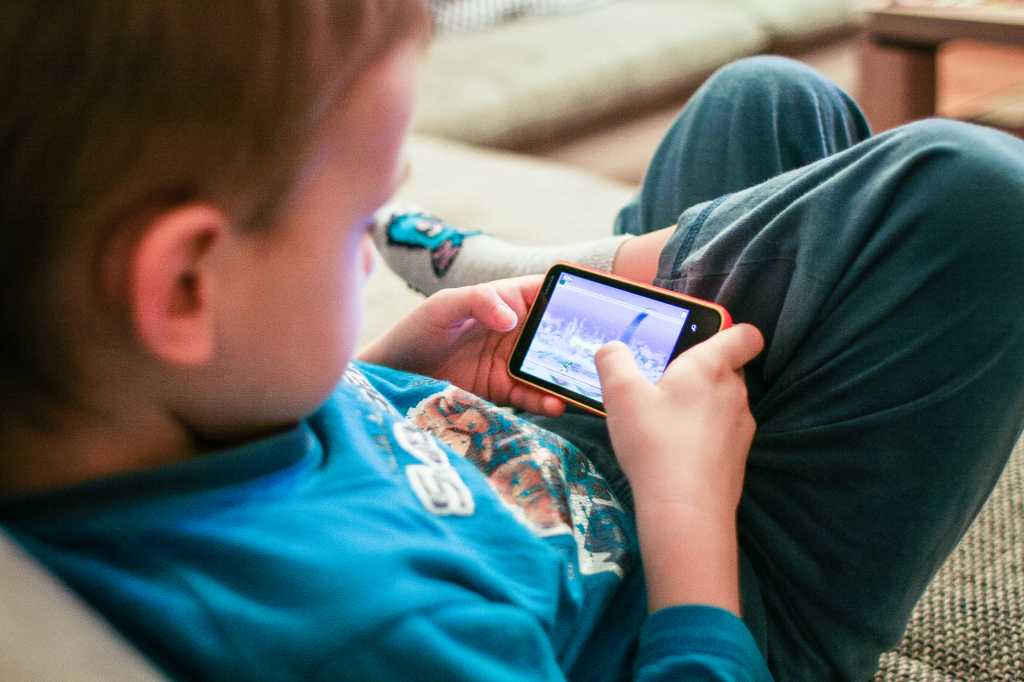
Handing a smartphone to children has become a common parenting shortcut. Whether parents are busy with work, kids are staying with caregivers, or school assignments need quick internet access, smartphones are often seen as essential tools from an early age. For many families, children using digital devices regularly now feels completely normal.
Fresh research, however, suggests parents may need to rethink how early children should own smartphones.
A large international study has found that children who receive smartphones before the age of 13 could face higher risks of mental health problems by the time they reach young adulthood. Researchers linked early smartphone ownership with increased chances of suicidal thoughts, aggression, emotional instability, low self-esteem, and difficulty coping with emotions.


Major findings from the study
The study, published in the Journal of Human Development and Capabilities, examined data from more than 100,000 young adults between 18 and 24 years old across several countries. Researchers explored whether the age at which someone first received a smartphone had any connection to later mental well-being.
Results showed a clear trend: the earlier children got smartphones, the lower their average mental well-being scores were as adults. Participants who received smartphones at age 13 recorded significantly better mental health scores compared to those who started using devices at much younger ages.
Young adults who owned smartphones before turning 13 were more likely to report:
- Suicidal thoughts
- Poor emotional control
- Low self-confidence
- Aggressive behavior
- Feelings of detachment from reality
Researchers also noted that these patterns appeared across different countries and cultures, suggesting the issue may be widespread rather than limited to one social setting.
Why age 13 matters
Experts say ages 10 to 13 are especially important for emotional growth, social learning, and brain development. During this stage, children build confidence, develop communication skills, and learn how to manage relationships in the real world.
Introducing smartphones too early may interfere with those developmental experiences. According to the study, early exposure can increase the likelihood of children facing:
- Social media pressure and unhealthy comparison
- Cyberbullying and harmful online content
- Sleep disruption caused by excessive screen time
- Reduced family interaction and offline social activity
Researchers believe these digital influences may affect emotional resilience and mental well-being over time.
Girls found to be more vulnerable
The study also found stronger mental health risks among girls who received smartphones at very young ages.
Among young women aged 18 to 24, nearly half of those who got smartphones between ages 5 and 6 reported suicidal thoughts later in life. The percentage was much lower among girls who first received phones at age 13.
For boys, the risk was also higher with earlier smartphone ownership, though the difference was less severe compared to girls.
Researchers identified early social media exposure as one of the biggest contributing factors behind declining mental health. Other important influences included weak family relationships, poor sleep quality, and cyberbullying.
What parents can do
Although the study does not prove smartphones directly cause mental health disorders, experts say the findings are serious enough for parents and schools to pay closer attention.
Here are some practical steps families can take:
- Delay giving children personal smartphones until at least age 13 if possible
- Set limits on screen time and social media use
- Avoid overnight phone access to improve sleep habits
- Teach children about online safety and digital behavior
- Encourage outdoor play, hobbies, and face-to-face interaction
- Lead by example through balanced smartphone use at home
Role of schools and educators
Schools can also help reduce the impact of excessive smartphone use among children by creating healthier digital habits.
Experts recommend that schools:
- Introduce phone-free classrooms or designated no-phone periods
- Teach digital literacy and responsible online behavior
- Encourage social activities that do not involve screens
- Provide emotional support for students facing cyberbullying or online stress
Researchers say more long-term studies are needed to fully understand how smartphones affect child development. Still, the findings serve as an important warning for parents navigating childhood in a technology-driven world.
Disclaimer: This article is intended for informational and educational purposes only. The content is based on findings from published research and reports from various sources. It should not be considered medical, psychological, or professional advice. Readers are encouraged to consult qualified healthcare or mental health professionals for expert guidance regarding children’s well-being and digital device usage.