Surat Man Tries to Withdraw ₹10,000, Gets ₹3.3 Lakh After 9 Years Due to ATM Error

Surat Man Tries to Withdraw ₹10,000, Gets ₹3.3 Lakh After 9 Years Due to ATM Error
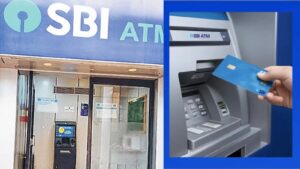
Glitch in an ATM transaction that should have been routine ended up spiraling into a costly and prolonged dispute, eventually forcing a bank to pay nearly 30 times the original amount after years of inaction. The incident dates back to February 18, 2017, in Surat’s Udhna area, where a customer attempted to withdraw ₹10,000 from an SBI ATM using his Bank of Baroda card. After entering his PIN, the machine neither dispensed cash nor issued a receipt. However, shortly after, he received a message confirming that ₹10,000 had been debited from his account.
Shocked by the deduction, the customer filed a written complaint at Bank of Baroda’s Dumbhal branch on February 21, 2017. Over the next few months—from March to May—he sent multiple follow-up emails but received no resolution. He also escalated the matter to the RBI and other authorities. In an effort to gather evidence, he filed an RTI application with SBI on April 21, 2017, requesting CCTV footage of the transaction. Despite these efforts, no satisfactory response was provided.
Left with no other option, he approached the consumer forum on December 20, 2017, seeking reversal of the deducted amount along with compensation and interest. Both Bank of Baroda and SBI were named as respondents in the case.

During the proceedings, Bank of Baroda argued that since the ATM belonged to SBI, it could not be held responsible. It maintained that the transaction appeared “successful” in the records shared by the acquiring bank and denied any deficiency in service. The bank also stated it had written twice to SBI requesting CCTV footage but received no response. SBI, meanwhile, did not appear before the forum.
The consumer commission rejected these arguments, stating that the responsibility to provide proof of the transaction lay with the customer’s bank. It emphasized that the customer “has nothing to do with internal coordination between banks” and that it was Bank of Baroda’s duty to present “clear and convincing evidence” to support its claim.
The commission also pointed out that as per RBI guidelines, failed ATM transactions must be reversed within five days. The bank’s failure to do so was considered a violation. Referring to the 2019 RBI circular, the commission noted that customers are entitled to compensation of ₹100 per day for delays beyond this period.
In its final order dated February 26, 2026, the Surat Consumer Disputes Redressal Commission (additional bench) directed Bank of Baroda to refund the original ₹10,000 along with 9% annual interest. Additionally, it ordered the bank to pay ₹100 per day as compensation starting from February 24, 2017, until the amount is returned.
By February 26, 2026, the delay had stretched to 3,288 days, resulting in compensation of ₹3,28,800. If the bank takes the full 30 days granted for compliance, the delay would increase to 3,315 days, pushing the compensation amount to ₹3,31,500