The Man Who Did Not Want the Job: How F.C. Kohli Built India’s IT Industry by Accident
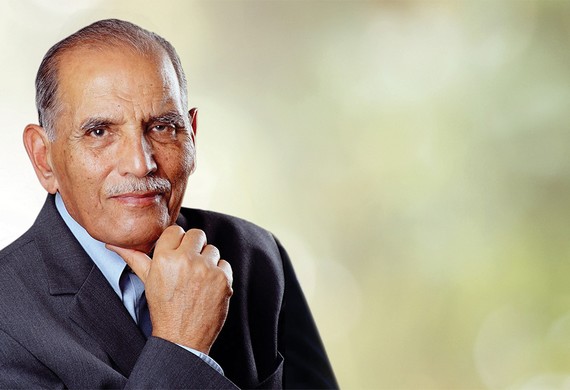
The Man Who Did Not Want the Job: How F.C. Kohli Built India's IT Industry by Accident
Born in Peshawar, trained at MIT, and reluctant to leave a job he loved, Faqir Chand Kohli went on to build a company that would employ millions and change what the world thought India could do
By Vidhi Lalla
Pune: In 1969, a 45-year-old engineer at Tata Electric Company sat across from JRD Tata and was asked to walk away from the only work he had ever known. No promise of glory. No clear destination. Just a request to take charge of something new that nobody had a proper name for yet.

Faqir Chand Kohli said yes, reluctantly. He wanted to stay. But the Tatas pressed, and something shifted. That one yes became the foundation of what India’s technology industry is built on today.

Peshawar to MIT: A Scholarship That Changed a Nation
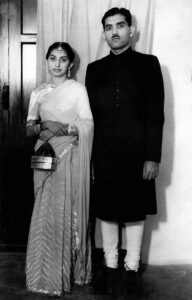
Kohli was born on March 19, 1924, in Peshawar, in what was then the Northwest Frontier Province of undivided India. He grew up in a family with ambition. His father ran one of North India’s most respected drapery businesses, but died while Kohli was still a student. His elder brother pushed him forward. Kohli studied Physics at Punjab University with an eye on the Indian Navy.
Then, in the 1940s, the Indian government awarded him a full scholarship for higher education abroad. He took it. What followed was an education that few Indians of his generation ever received: a bachelor’s degree in Electrical Engineering from Queen’s University in Canada, then a master’s from MIT in the United States. He returned to India in 1951 carrying knowledge that was genuinely rare. He insisted for the rest of his life that everything he built was simply an attempt to repay that debt to the country.
Two Decades Mastering Power, Before Computers Entered the Room
At Tata Electric Company, now Tata Power, Kohli set up a load dispatch system to manage power operations between Mumbai and Pune, making it the third utility company in the world to install such a system. He introduced computers to the power network before most Indian companies had ever touched one. His work caught the attention of the people at the top of the Tata Group. That attention is what eventually changed his career entirely.
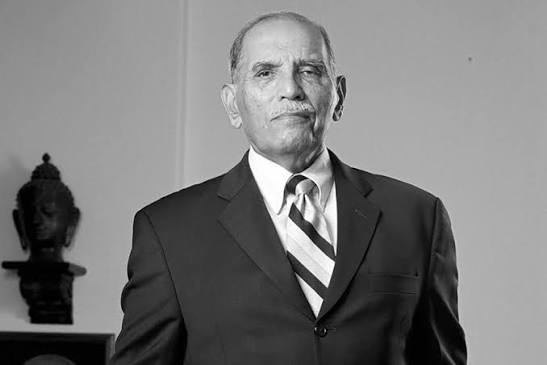
By 1963, he was writing in the IEEE Journal, recommending that India invest in 400KV to 500KV transmission lines to modernise its power grid. That argument became the seed of what is today the Power Grid Corporation of India. He was not yet 40, and he was already shaping national infrastructure.
Ten Consultants, One Blank Page, and a Target Nobody Thought Was Possible
When he moved to TCS in 1969, there was no blueprint. No clients. No industry to speak of. Ten consultants and roughly 200 operators. Kohli set an internal target almost immediately: TCS had to grow at 100 percent a year for five straight years just to survive. It was, by any measure, an aggressive number for a company starting from nothing. It became the culture.
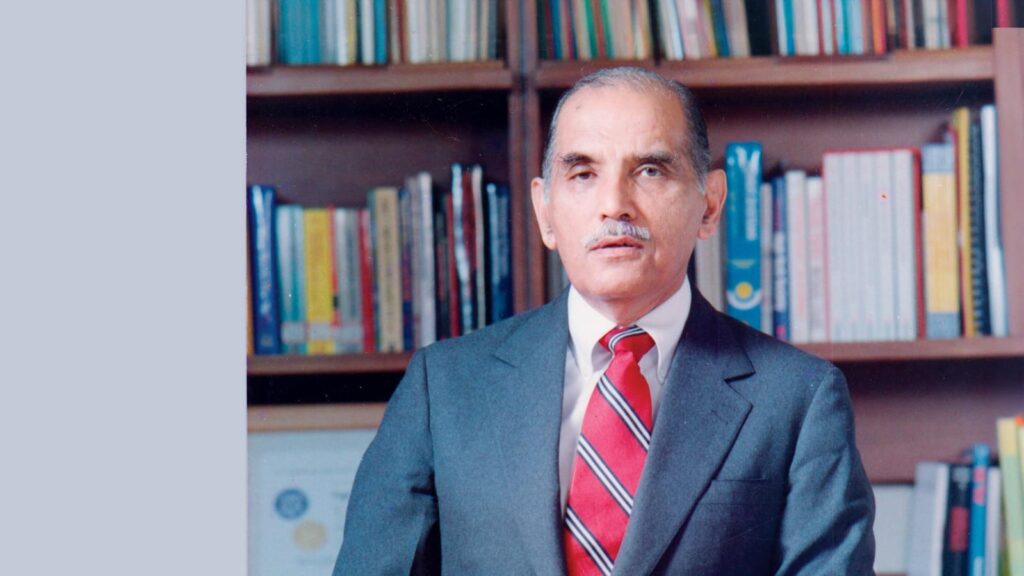
He walked through Mumbai and across India looking for problems that technology could solve. Universities drowning in manual exam processing. Banks that could not reconcile inter-branch records by hand. Utilities buried in customer bills. In 1969, TCS automated the Central Bank of India’s inter-branch reconciliation, and within months, 14 more banks placed similar orders.
The first international outsourcing deal followed. In 1972, Kohli signed a contract with Burroughs Corporation in the United States, making TCS the first Indian company to execute an IT outsourcing deal on that scale. Kohli had walked into Burroughs unannounced. No appointment. No introduction. Just a pitch. They agreed. That deal opened a door that the whole Indian IT industry would eventually walk through.
From 10 People to the World’s Most Valuable IT Company
Under Kohli’s leadership, TCS grew from 10 consultants in 1969 to 14,000 by the late 1990s. He stepped down as CEO in 1996 and as Deputy Chairman in 1999. By 2020, TCS had become India’s largest private sector employer and the most valuable IT company in the world.
He also served as Chairman of NASSCOM from 1994 to 1995, using the platform to push for collaboration across the Indian IT industry and build partnerships in global markets. His focus was always on the next step, not the last win.
Beyond Business: Technology as a Tool for People
Kohli’s idea of what technology was for never stopped at company revenue. After TCS, he stayed active in the field until the age of 94. He worked on adult literacy, water purification, regional language computing, and software automation, treating all of it as part of the same project: using India’s own technology to solve India’s own problems.
He was vocal about the need for educated young Indians. He pushed engineering colleges to update their curricula constantly and urged professors to stay aware of where the industry was actually heading. He was an advocate for regional language computing at a time when English was considered the only gateway to technology access. He did not think language should be a barrier to any of that.
The Man Behind the Title
Those who worked with him described him in similar terms. A man of few words. He listened more than he spoke. He gave minimal instructions and expected people to think. He built strong relationships but was not demonstrative about them. His optimism, they said, was not a performance. It was how he actually saw things, and that clarity is what let him make the kind of bets that seemed unreasonable at the time and obvious in hindsight.
When someone introduced him at a public event as the founder of TCS and the Father of the Indian IT Industry, Kohli’s response was dry and immediate: there was no need to introduce him, he said. He knew more about himself than they did.
A Legacy Measured in Millions
F.C. Kohli passed away on November 26, 2020, following a cardiac arrest. He was 96.
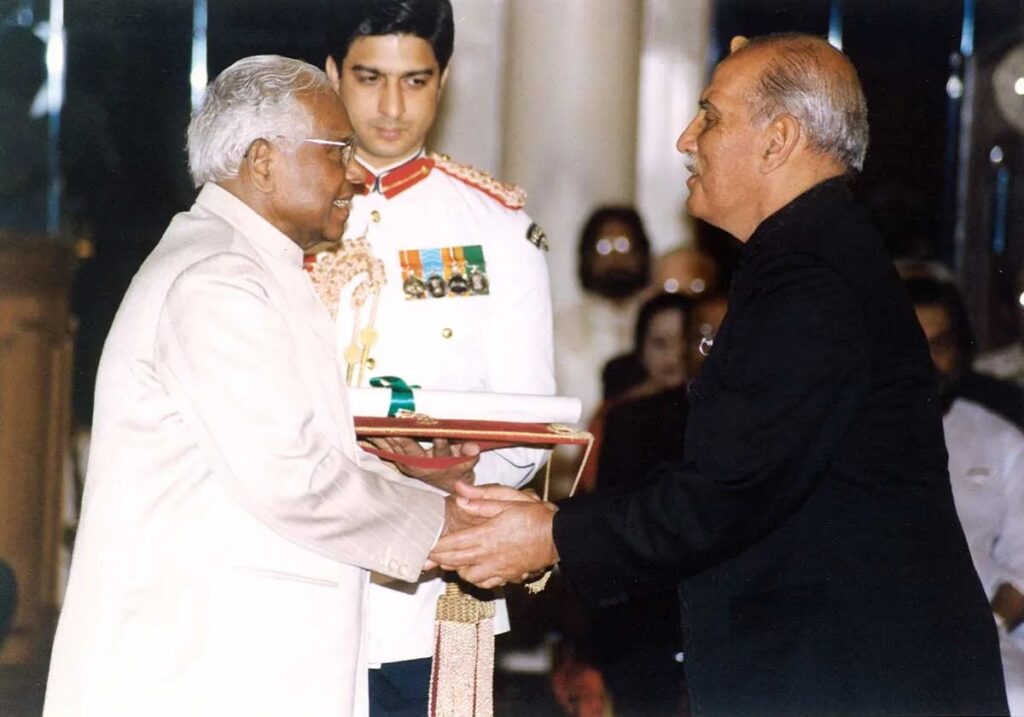
The Padma Bhushan, India’s third-highest civilian award, came in 2002. Honorary degrees arrived from institutions across India and abroad, including IIT Bombay, IIT Kanpur, MIT’s peer Queen’s University, and the University of Waterloo. Prime Minister Narendra Modi called him a pioneer. TCS called his contributions immense and immeasurable.
None of those words fully capture what the number does. The Indian IT industry is today a $190 billion sector. It employs millions. It placed India on a global map that, in 1969, had no space reserved for it. All of it traces back, in some direct line, to a reluctant engineer who said yes to a job he did not want, and spent the next thirty years proving the Tatas had been right to ask.