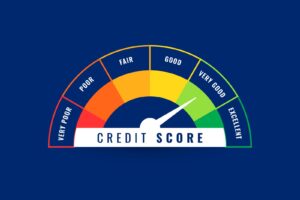
Thinking of Closing an Old Credit Card? Here’s How It Can Influence Your Credit Score

Credit Card Interest Rate: Can You Reduce High Credit Card Charges? Here’s What Experts Say
The end of the year often brings a desire to simplify finances. Many people review their accounts, trim unnecessary expenses, and look for ways to start the new year feeling more organised. During this process, unused debit or credit cards frequently come under scrutiny. Shutting down an old credit card can seem like a smart and tidy decision, but it may quietly affect your credit score in ways you didn’t expect. Knowing what’s at stake can help you decide whether closing a card is truly the right move.
People usually close credit cards for sensible reasons, not because they’re struggling financially. Over time, newer cards may offer better rewards, higher cashback, or travel perks, making older cards less appealing. In some cases, banks change their reward structures or cut benefits, reducing the card’s value. Annual fees that keep rising without matching advantages can also push cardholders to reconsider. These choices are logical, but they should be made with a clear understanding of how credit scoring works.
How Closing a Card Can Change Your Credit Mix

Credit scores take into account the types of credit you use. This combination of secured credit (like home or vehicle loans) and unsecured credit (such as credit cards or personal loans) is known as your credit mix. If you close a credit card—especially if it’s your only unsecured credit—it can upset this balance. When that happens, your credit score may drop slightly.
To reduce this risk, it’s important to ensure that closing a card doesn’t remove an entire category of credit from your profile.
Why the Age of Your Credit Matters
Another key factor in your credit score is how long you’ve been using credit. Older accounts show lenders that you have experience managing credit over time. If you close a card that you’ve held for many years, particularly your oldest one, the average age of your credit accounts may decrease. Even with a perfect repayment record, this change can have a negative impact on your score.
Keeping an old card that has a low fee or is lifetime-free—and using it occasionally—can help preserve this advantage.
Credit Utilisation: The Hidden Effect
Credit utilisation measures how much of your total available credit you’re using. When a card is closed, your overall credit limit goes down. If your spending habits stay the same, your utilisation ratio can increase and may cross the recommended 30 per cent mark. Higher utilisation can signal risk to lenders and pull your score down.
Before closing a card, it’s wise to check whether your remaining credit limits are enough to handle your usual spending without pushing utilisation too high.
Extra Caution for New Credit Users
For those who are just starting their credit journey, closing a card too soon can slow progress. A credit card that’s used responsibly for at least a year helps build a reliable credit history. This foundation makes it easier to qualify for bigger loans later, often at better interest rates. Ending that account prematurely may delay these benefits.
Should You Be Concerned About a Drop in Score?
In most situations, any drop in your credit score after closing a card is small and temporary. With consistent repayments, controlled spending, and healthy credit utilisation, scores often recover within a few months. Careful planning ensures that cleaning up your finances doesn’t undo years of responsible credit behaviour.
Disclaimer: This article is for general informational purposes only and should not be considered financial advice. Credit scoring models and their impact may vary based on individual circumstances and lenders.