Brides Marrying into Renavi Families Receive Advance Notification about Following Vegetarian Diets: Maharashtra’s Completely Vegetarian Village
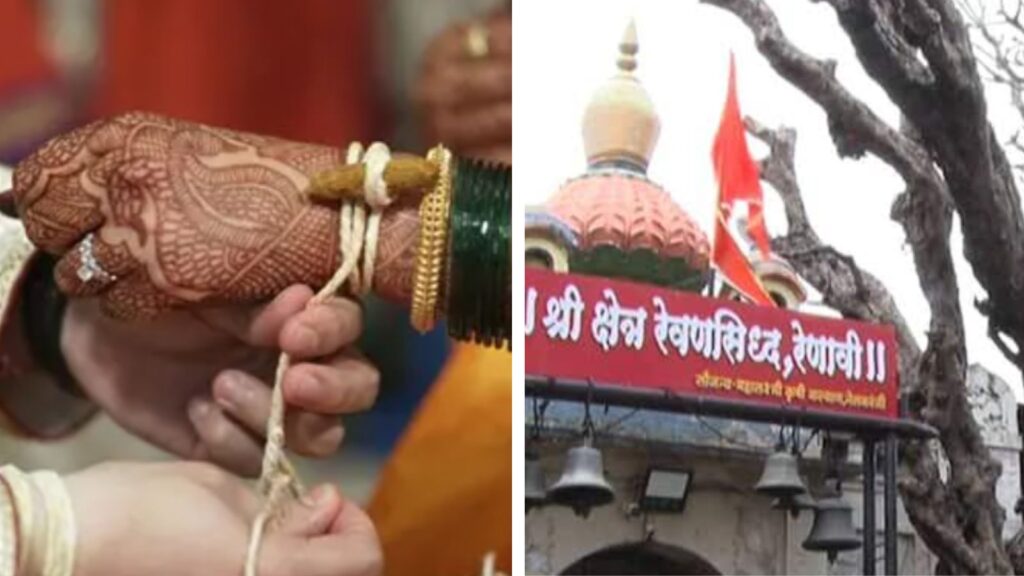
Brides Marrying into Renavi Families Receive Advance Notification about Following Vegetarian Diets: Maharashtra's Completely Vegetarian Village
Located in Sangli district’s Khanapur taluka, this unique village maintains 100% vegetarianism across all castes and religions, following centuries-old tradition inspired by Revansiddha temple’s spiritual heritage
Hidden in the Sahyadri foothills of Sangli district lies Renavi, a remarkable village that stands apart in Maharashtra for one extraordinary characteristic—it is completely vegetarian. Located approximately 9 kilometers from Vita town in Khanapur taluka, this small settlement has maintained a complete ban on meat consumption for centuries, with residents of all castes and religions following this tradition with unwavering devotion.
A Complete Vegetarian Community
Renavi village has achieved what few communities worldwide can claim: 100 percent vegetarianism among its population. There are no non-vegetarian eaters in the village, making it Maharashtra’s only completely vegetarian settlement. This prohibition extends beyond personal dietary choices to encompass all aspects of village life, creating a unique social fabric woven around plant-based living.

The tradition transcends religious and caste boundaries, with Hindus, Muslims, and Christians, along with people from various social backgrounds, all adhering to vegetarian diets. This universal acceptance demonstrates how deeply embedded the practice has become in Renavi’s cultural identity over generations.
Even visitors and brides marrying into Renavi families receive advance notification about following vegetarian diets. This requirement represents not merely a suggestion but an essential condition for joining the community. The tradition has been strictly followed for centuries, passed down through families as sacred obligation rather than lifestyle choice.
Spiritual Foundation: Shri Revansiddha Temple
The village’s vegetarianism stems from spiritual roots connected to the Shri Revansiddha Temple located three furlongs (approximately 600 meters) from the village. This magnificent stone-built temple, constructed in the 16th century, houses the shrine of Lord Sri Revansiddhanath, considered the original Panchacharya Peeth and a Nath Panthiya Yogi.
Saint Revan Siddha was said to have been under the special favor of Lord Dattatreya. The sage holds particular significance among the Lingayat community, as believers maintain that Lord Sri Dev Revansiddhanath met Sri Siddheshwar Maharaj, the main saint of the Lingayat community, during Gurubhet in Sholapur city and granted him Diksha (spiritual initiation).
Revansiddha is one of the Navnaths (nine saints), and legend states that Navnath was a vegetarian. Carrying forward his thoughts and spiritual teachings, Renavi village adopted the path of permanent vegetarianism centuries ago. This religious foundation transformed dietary practice into spiritual discipline, making vegetarianism integral to the community’s devotional life.
Rewagiri Mountain Range: Natural Beauty
The village sits in the eastern part of Mahadev mountain range of the Sahyadris, also known as Rewagiri. The mountain range’s valleys, dense forests, and peaceful atmosphere make Rewagiri a scenic destination. The natural beauty complements the spiritual significance, creating an environment conducive to meditation and contemplation.
White crystals found in abundance on the mountain are used as bhasma (sacred ash) by devotees. The mountain reportedly contains soils of various colors. Ancient texts suggest 84 tirthas (holy centers) once existed on this sacred mountain, though only six remain today: a gomukh (cow’s mouth spring), two haranyaks, and three flower gardens.
The Grand Mahashivratri Yatra
The Revansiddha Yatra, which begins on Mahashivratri, represents one of South Maharashtra’s largest religious gatherings. The procession attracts hundreds of thousands of devotees from across Maharashtra and Karnataka, generating a turnover of lakhs of rupees. The annual fair held during this period sees thousands of pilgrims from Sangli, Solapur, and Karnataka visiting the temple and village.
The north-facing temple structure and overwhelming spiritual atmosphere create powerful experiences for devotees. The festival transforms the quiet village into a vibrant religious hub, though the vegetarian tradition remains steadfastly observed even during this massive influx of visitors.
Educational Infrastructure
Despite its small size, Renavi maintains educational institutions that serve local children. The village has one primary school and one high school named Shree Revansiddha High School, honoring the deity whose temple defines the settlement’s spiritual identity. These schools ensure that children receive education while remaining rooted in their cultural and spiritual heritage.
Connectivity And Access
Renavi stands along the Chiplun-Karhad-Bijapur highway, making it accessible by road. The temple’s conspicuous presence on the south side of this route makes it a landmark for travelers. The village sits approximately 360 kilometers from Mumbai, making it reachable within six to seven hours by road.
Sangli serves as the nearest major town with railway connectivity, located approximately 30 kilometers away. The nearest airport is Sambre Airport, with Sangli around 121 kilometers from the airport. These connections enable pilgrims and curious visitors to reach this unique village throughout the year.
Cultural Significance And Preservation
Renavi’s complete vegetarianism represents more than dietary restriction—it embodies a living example of how spiritual teachings can shape entire communities across centuries. The practice demonstrates remarkable social cohesion, as every resident regardless of background honors this shared commitment.
The tradition challenges common assumptions about vegetarianism in India being primarily associated with upper castes or specific religious groups. Renavi proves that vegetarian practice can transcend social divisions when grounded in shared spiritual values and communal commitment.
Daily Life In A Vegetarian Village
Village markets sell only vegetarian groceries and produce. Restaurants, if any exist, serve exclusively vegetarian meals. Homes prepare only plant-based dishes, with traditional Maharashtrian vegetarian cuisine featuring prominently. The absence of meat, fish, and eggs creates a food culture entirely built around grains, pulses, vegetables, dairy products, and fruits.
Festivals and celebrations, weddings and religious ceremonies all feature elaborate vegetarian feasts. The culinary traditions passed through generations have developed sophisticated vegetarian preparations that satisfy nutritional needs while honoring spiritual commitments.

Comparison With Other Vegetarian Communities
While India has several vegetarian-majority communities, particularly among Jain populations and in Gujarat, entire villages maintaining 100 percent vegetarianism across all religions and castes remain exceptionally rare. Renavi’s achievement becomes even more remarkable considering Maharashtra’s predominantly non-vegetarian food culture, particularly in rural areas.
The village stands as proof that geographical and cultural contexts don’t necessarily determine dietary practices when spiritual conviction and community commitment combine effectively.
Challenges Of Modern Times
As younger generations gain exposure to outside influences through education, employment, and media, maintaining the vegetarian tradition faces new challenges. However, the deep spiritual connection to the Revansiddha temple and centuries of practice have created strong cultural resilience.
The practice of informing prospective brides about vegetarian requirements before marriage demonstrates proactive efforts to maintain tradition while respecting individual choice. This transparent approach ensures that newcomers understand and accept the community’s values before joining.
Tourism And Spiritual Seekers
Renavi attracts not only religious pilgrims but also tourists interested in unique cultural phenomena and spiritual seekers looking for peaceful environments. The combination of natural beauty, historical temple, and complete vegetarianism creates a distinctive destination unlike anywhere else in Maharashtra.
Visitors report that the village’s atmosphere differs markedly from typical rural settlements, with a palpable sense of peace and devotion permeating daily life. The February Mahashivratri period offers the most vibrant experience, though the quieter months allow deeper engagement with the community and its traditions.
A Living Testament
Renavi village stands as a living testament to how spiritual teachings can shape community life across centuries. Its complete vegetarianism, rooted in devotion to Revansiddha and maintained through generations, offers a rare glimpse into how religious values can create cohesive social structures that transcend typical divisions of caste, religion, and economic status.
As India modernizes rapidly and traditional practices face erosion, Renavi’s unwavering commitment to its vegetarian heritage demonstrates that ancient traditions can persist when communities value them as integral to their identity rather than mere customs. The village reminds us that spiritual conviction, when truly embraced by an entire community, can create lasting social transformation.