This simple blood test could detect hidden heart failure earlier in diabetes patients
This simple blood test could detect hidden heart failure earlier in diabetes patients
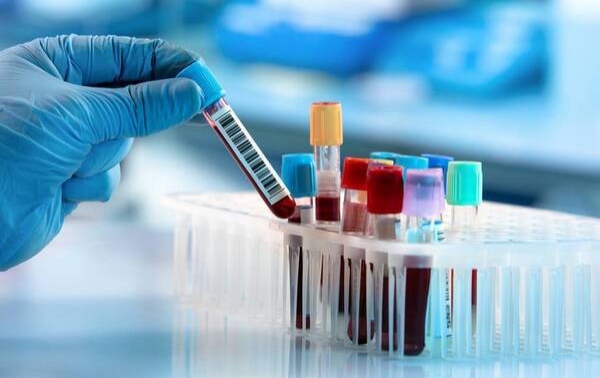
New research suggests a routine blood test could play a vital role in identifying heart failure in people living with diabetes—often before symptoms become severe or obvious. Findings from the University of Glasgow, presented at the American College of Cardiology (ACC) Conference, highlight how a targeted screening strategy may significantly improve early detection and treatment outcomes.
Heart failure is one of the most common yet frequently missed complications in individuals with diabetes. According to the World Health Organization (WHO), cardiovascular diseases remain the leading cause of death worldwide, and people with diabetes face a much higher risk of developing heart-related conditions. The difficulty lies in recognising symptoms, as signs like fatigue, breathlessness, and swelling are often vague and easily confused with other health issues. This frequently leads to delayed diagnosis and missed chances for early intervention.
A Closer Look at the TARTAN-HF Trial
The TARTAN-HF trial, a large multi-centre randomized controlled study registered on ClinicalTrials.gov, examined whether structured screening could improve detection of heart failure among high-risk diabetes patients.

More than 700 participants with diabetes and at least one additional risk factor—such as a previous heart attack or kidney disease—took part in the study. They were divided into two groups: one underwent screening, while the other continued with standard care.
The results were notable:
- Nearly 24.9% of participants in the screening group were diagnosed with heart failure within six months
- Only 1% of those receiving usual care were diagnosed in the same timeframe
These findings reveal a significant number of hidden cases that could be detected earlier with proactive screening.
How the Screening Process Works
This screening approach combines a simple blood test with imaging. It begins with measuring NT-proBNP levels, a biomarker that reflects how much strain the heart is under. Patients with elevated levels are then referred for echocardiography, a heart ultrasound, to confirm the diagnosis.
Since NT-proBNP testing is already widely available, experts believe this method is both practical and easy to implement in everyday clinical settings.
Why Diagnosis Is Often Delayed
Heart failure can be difficult to identify in its early stages because symptoms are often subtle. People living with diabetes may overlook mild fatigue, reduced exercise capacity, or slight breathlessness, assuming these are related to aging or lifestyle factors.
Medical experts emphasize that this lack of clear warning signs frequently delays diagnosis, limiting opportunities for timely treatment and increasing the risk of complications.
Benefits of Detecting Heart Failure Early
Early detection was shown to improve outcomes significantly. Participants who underwent screening:
- Were more likely to receive appropriate treatments, including SGLT2 inhibitors
- Experienced fewer hospitalisations and lower risk of death from heart failure
The study reported a 55% reduction in the risk of hospitalisation or death in the screening group compared to usual care (3.1% vs 6.8%).
SGLT2 inhibitors, originally developed to treat diabetes, are now widely recommended in global guidelines for managing heart failure.
A Frequently Missed Form of Heart Failure
Most cases identified in the trial involved heart failure with preserved ejection fraction (HFpEF), a form that is particularly challenging to diagnose. Unlike other types, HFpEF often does not show obvious structural changes in the heart.
The European Society of Cardiology notes that this type accounts for nearly half of all heart failure cases and is commonly associated with diabetes, obesity, and aging, making targeted screening even more important.
What This Means for Diabetes Care
These findings suggest that routine screening for heart failure could become a key part of diabetes care. Detecting the condition early allows healthcare providers to begin effective treatment sooner and reduce the risk of severe complications.
Researchers also highlighted that this approach may help identify other cardiovascular conditions at an earlier stage, including atrial fibrillation and aortic stenosis.
The Growing Importance of Early Diagnostics
Accessible tools like NT-proBNP testing are expected to play an increasingly important role in improving patient outcomes. Early diagnosis not only benefits individuals but may also reduce the overall burden on healthcare systems.