Too Much Salt in Your Curry? Try This Age-old Kitchen Hack

Too Much Salt in Your Curry? Try This Age-old Kitchen Hack
Simple home remedies like adding potatoes, milk, lemon juice or kneaded dough can rescue oversalted dishes without compromising taste
Balancing flavour is the heart of good cooking. But sometimes, in a rush or due to inexperience, we end up adding too much salt to a dish, especially in curries, dals, or gravies. For many beginners, it’s only after tasting that dreaded moment strikes: “Oh no, it’s too salty!”
Oversalting doesn’t just ruin the taste; it can also be harmful to health. Excess salt is known to contribute to high blood pressure, dehydration, and digestive issues. Thankfully, there are time-tested remedies straight from the traditional Indian kitchen that can save your meal.
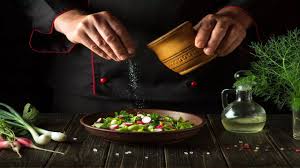
One of the most effective tricks is the potato method. If you’ve oversalted a curry or dal, just peel one or two raw potatoes and drop them into the dish. Let it simmer for a while. The potato acts like a sponge, absorbing some of the salt and balancing the flavour. Once done, you can either discard the potato or mash it into the curry depending on your preference.

Another old but gold method is adding a piece of kneaded dough or a torn piece of chapati to the salty gravy. Let it cook in the dish for a few minutes. The wheat soaks up some of the excess salt. Remove and discard the dough or chapati before serving. This simple fix has long been used by grandmothers and home cooks to rescue gravies gone wrong.
For cream-based dishes like makhani dal or paneer, adding a little milk or cream works wonders. It not only reduces the salty punch but also adds a smooth, slightly sweet richness to the texture and taste. This is particularly useful in North Indian or Mughlai-style dishes.
Lemon juice or tomato pulp is another saviour. The natural acidity balances out the saltiness, neutralizing the sharp edge of excessive salt. A dash of lemon or spoonful of tomato purée can adjust the taste while adding a tangy depth. This method is ideal for those who enjoy bold, spiced flavours.

Another simple and effective method is dilution. Prepare a small batch of the same dish without any salt, and mix it with the salty version. The increase in volume balances the salt concentration. This works especially well when you’re cooking for a group or hosting guests, and you want to avoid wasting food.
Even just adding water and bringing the dish to a boil can reduce the saltiness to an extent, though it may also thin out the consistency. In such cases, you can allow the dish to simmer for a bit longer or thicken it back with ingredients like ground cashews or besan.
So next time you accidentally oversalt your food, don’t panic. Your kitchen already holds the secret to fixing it. These traditional techniques, handed down over generations, prove that a little presence of mind (and a potato!) can rescue almost any culinary crisis.