Slugs Ruining Your Garden? Try These Simple Hacks
Slugs Ruining Your Garden? Try These Simple Hacks
Sakshi Pandhare
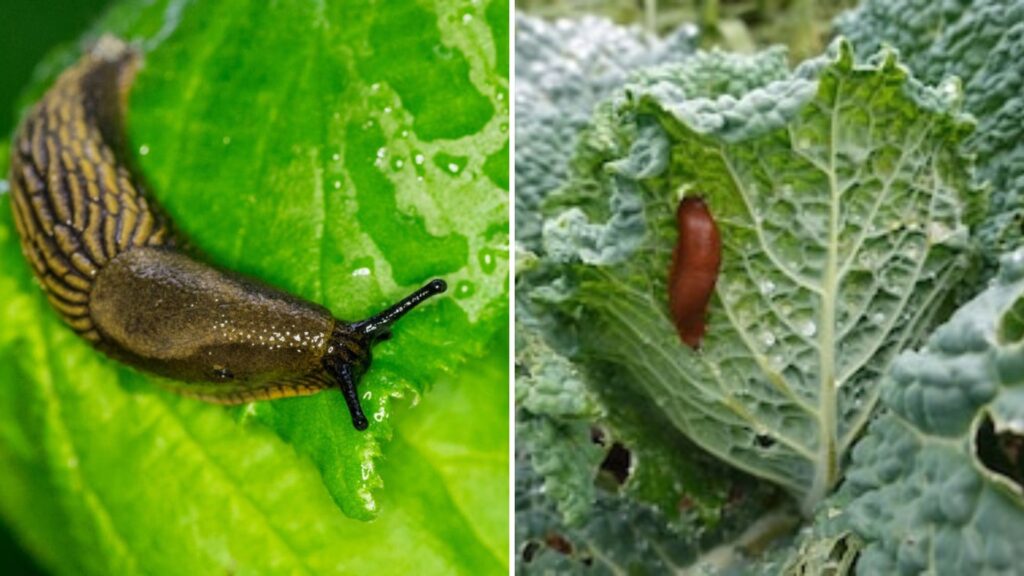
Nothing is more frustrating for a gardener than finding healthy plants covered in holes overnight. In many cases, slugs are the reason behind the damage. These small, soft-bodied pests are especially active during the monsoon and in damp conditions, feeding on leaves, flowers, vegetables, and young seedlings.
Fortunately, keeping slugs away does not require expensive treatments or harsh chemicals. A few simple gardening hacks can help protect plants and keep your garden thriving.


1) Use Crushed Eggshells as a Natural Barrier
Instead of throwing away eggshells, crush them into small pieces and spread them around vulnerable plants. The sharp edges make it difficult for slugs to move across the surface, helping to keep them away from your plants.
2) Water Plants Early in the Day
Slugs thrive in moist environments and are most active during the night. Watering plants in the morning allows the soil to dry out by evening, making your garden less attractive to these pests.
3) Keep the Garden Clean
Slugs often hide under piles of leaves, weeds, garden waste, and other damp materials. Regularly removing debris and keeping garden beds tidy reduces hiding spots and makes it easier to spot pest problems before they spread.
4) Sprinkle Used Coffee Grounds
Coffee grounds can act as a natural deterrent for slugs. Simply scatter used grounds around plants. As an added benefit, coffee grounds can also improve soil quality when used in moderation.
5) Install Copper Barriers
Copper tape placed around pots, planters, or raised beds can discourage slugs from crossing. This simple barrier method is popular among home gardeners looking for a chemical-free solution.
6) Encourage Natural Predators
Birds, frogs, toads, and beetles naturally feed on slugs. Creating a wildlife-friendly garden with water sources and native plants can attract these helpful visitors and keep slug populations under control.
7) Try Beer Traps
A shallow container filled with beer and placed at soil level can attract slugs. They are drawn to the smell and become trapped, helping to reduce their numbers in the garden.
8) Grow Slug-Resistant Plants
Certain plants are less appealing to slugs. Herbs such as rosemary, thyme, sage, and lavender are often left untouched and can be excellent additions to a garden that frequently experiences slug problems.
Check Your Garden After Sunset
Since slugs are most active at night, an evening inspection can help gardeners identify affected areas. Removing slugs by hand can be surprisingly effective, especially in smaller gardens.