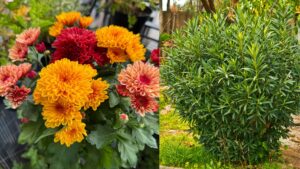
Transform Your Balcony into a Blooming Edible Garden with These 8 Easy-to-Grow Flowers

Transform Your Balcony into a Blooming Edible Garden with These 8 Easy-to-Grow Flowers
Even if you don’t have a backyard, you can still enjoy the joys of gardening right on your balcony. Balcony gardening is a fantastic way to bring greenery and life into your home, and edible flowers are an often-overlooked gem for small spaces. Beyond their vibrant colors and delicate shapes, edible flowers add flavor, fragrance, and creativity to your meals. They are surprisingly easy to grow, don’t take up much space, and can turn your balcony into a stunning mini-garden that also doubles as a source of fresh, flavorful ingredients.
Here, we explore eight edible flowers that are perfect for balcony gardening, along with practical tips on growing and caring for each.
1. Nasturtium

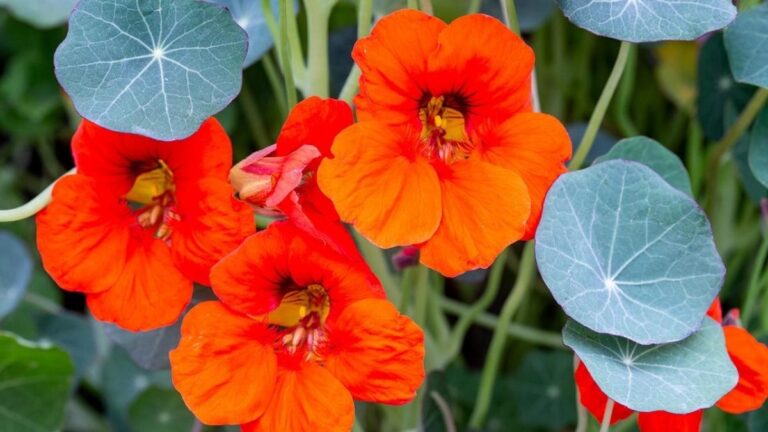
Nasturtiums are a favorite among beginner gardeners thanks to their vivid orange, red, and yellow blooms. Almost every part of the plant is edible—the leaves, flowers, and seed pods. The flowers have a gentle peppery taste, while the leaves provide a fresh, slightly spicy flavor that works beautifully in salads, sandwiches, or as a garnish for soups.
How to Grow Nasturtium
- Plant them in medium-sized pots or hanging baskets with good drainage.
- Use well-draining soil and place them in a sunny spot.
- Sow seeds about 1 inch deep directly into the soil.
- Water regularly, but avoid overwatering.
- Skip heavy fertilization to encourage more blooms.
- Regularly harvest flowers to promote continuous flowering.
- Trailing varieties of nasturtium are ideal for hanging pots, letting the colorful blooms cascade over edges and create a cheerful display.
2. Calendula
Also known as pot marigold, calendula produces bright golden-yellow or orange petals with a mild, tangy flavor. Its petals are perfect for salads, teas, or even baking, and the plant is also praised for its natural skincare benefits.
How to Grow Calendula
- Start seeds in small pots or directly in balcony containers.
- Use fertile, well-drained soil and provide full sunlight.
- Keep the soil slightly moist without overwatering.
- Remove wilted flowers to encourage new blooms.
- Protect the plant from strong winds or heavy rain.
- Calendula blooms for most of the year and its petals dry well, allowing you to enjoy them in teas or crafts long after flowering season.
3. Pansy
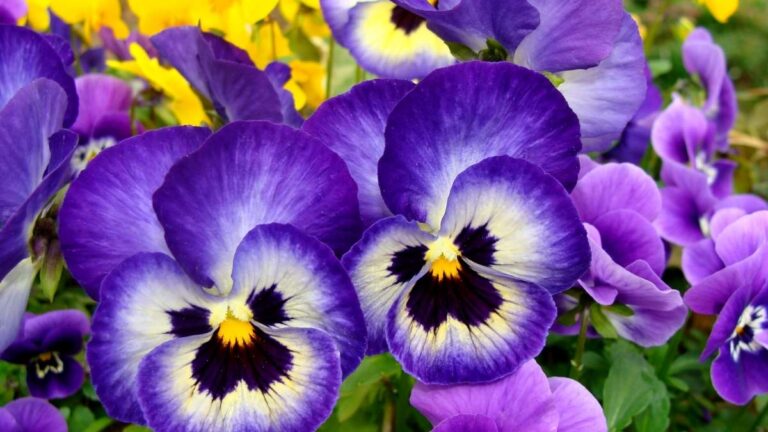
Pansies are beloved for their charming “faces” and wide range of colors. With a mild, slightly sweet taste, they are perfect for decorating desserts, drinks, and salads. Pansies are hardy and thrive in cooler climates, making them excellent for year-round balcony gardening in mild regions.
How to Grow Pansy
- Choose shallow pots or trays with good drainage.
- Fill with fertile, moist soil.
- Provide partial sunlight and avoid harsh afternoon sun.
- Keep the soil consistently moist.
- Remove faded blooms to stimulate new flowers.
- Pansies can also be frozen in ice cubes to make edible, colorful decorations for drinks, adding a playful touch to meals and your balcony aesthetic.
4. Viola
Violas, the smaller cousins of pansies, have delicate petals and a mild, fresh flavor. Available in shades of purple, blue, yellow, and white, they are excellent for adding subtle taste to desserts, salads, and teas. These low-maintenance flowers bloom for months, keeping your balcony colorful for longer.
How to Grow Viola
- Plant seeds or seedlings in pots, hanging baskets, or window boxes.
- Keep them in partial sunlight.
- Maintain evenly moist soil without overwatering.
- Trim old flowers to encourage continuous blooming.
- Add a bit of compost monthly to boost growth.
- Violas combine well with herbs or leafy greens in the same container, creating an attractive, multifunctional edible garden.
5. Borage
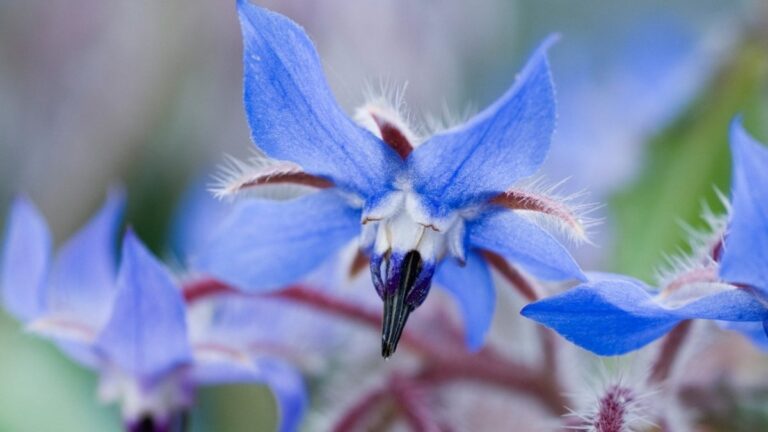
Borage is an eye-catching plant with star-shaped blue flowers and a refreshing cucumber-like taste. Both leaves and flowers are edible, and the plant attracts pollinators, helping other balcony plants flourish.
How to Grow Borage
- Choose a deep pot for its long roots.
- Use well-drained soil and place in full sunlight.
- Sow seeds about ½ inch deep.
- Keep the soil slightly moist.
- Once established, borage requires minimal care.
- Harvest flowers regularly to enjoy fresh blooms.
- Growing up to 2 feet tall, borage works best in taller pots or at the back of your balcony to create layers of plants.
6. Chamomile
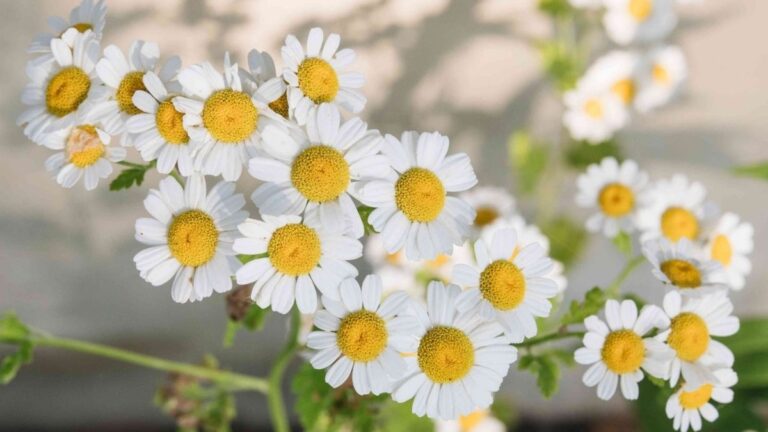
Known for its calming tea, chamomile also has edible daisy-like flowers with a mild, sweet taste and gentle apple-like aroma. It’s perfect for teas, desserts, or homemade skincare preparations.
How to Grow Chamomile
- Use medium-sized pots with proper drainage.
- Plant in sandy, well-drained soil
- Provide full sunlight.
- Water lightly; the soil should remain slightly dry.
- Harvest fully opened flowers for the best flavor.
- Dry flowers naturally to preserve them for tea.
- Chamomile is adaptable and thrives in small spaces, making it ideal for window boxes or compact balcony gardens.
7. Lavender
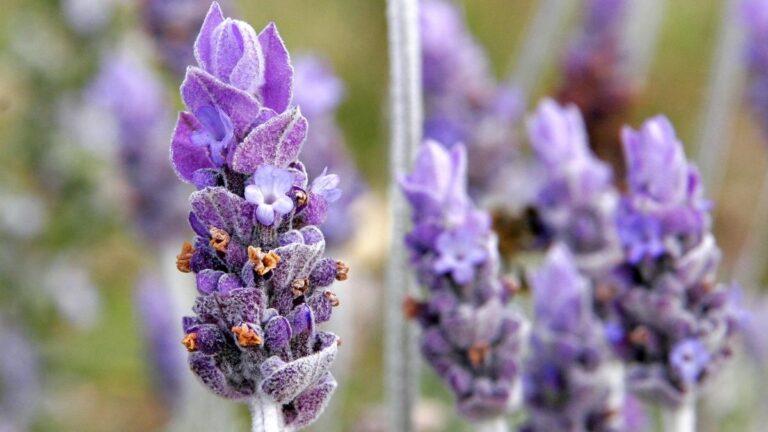
Lavender is known for its beautiful purple flowers and calming scent. The blossoms can flavor teas, desserts, or sugar and also fill your balcony with a soothing fragrance.
How to Grow Lavender
- Use clay or ceramic pots with drainage holes.
- Plant in sandy or well-drained soil.
- Give at least 6 hours of sunlight per day.
- Water only when soil is dry.
- Prune after flowering to encourage bushy growth.
- Avoid overwatering to prevent root damage.
- Lavender is drought-tolerant once established and pairs beautifully with other edible flowers, adding both color and fragrance to your balcony space.
8. Marigold (Tagetes)
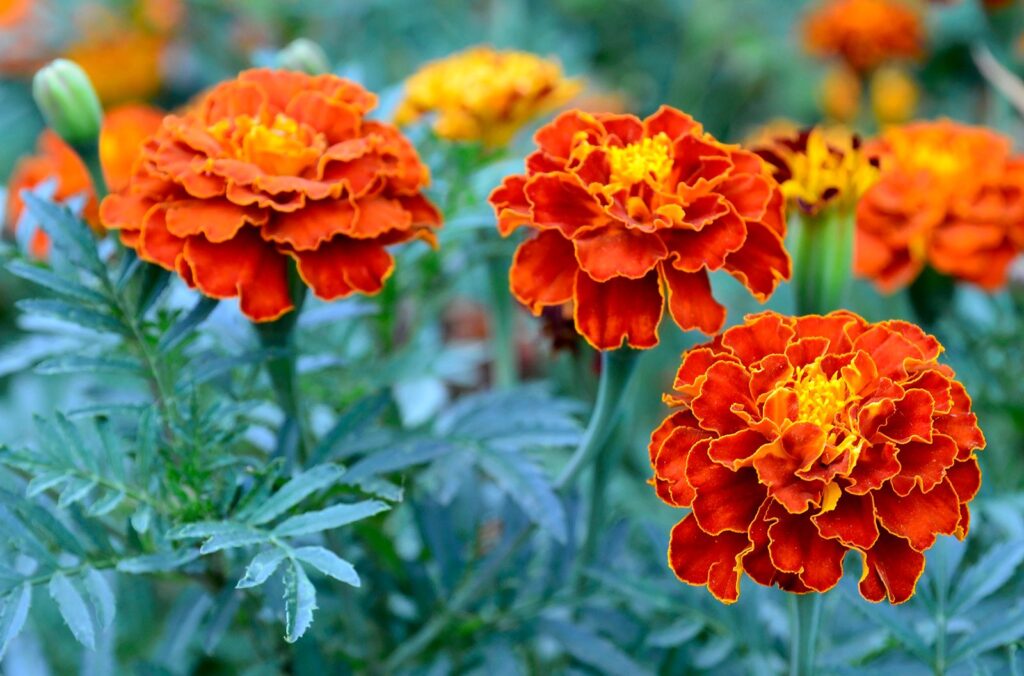
Marigolds are bright, cheerful flowers with a slightly citrusy and spicy flavor, perfect for salads and rice dishes. They also help repel pests naturally, benefiting other plants around them.
How to Grow Marigold
- Sow seeds directly in pots or containers with well-drained soil.
- Provide full sunlight.
- Water regularly, keeping soil moist but not waterlogged.
- Remove wilted flowers to encourage new blooms.
- Fertilize lightly once a month.
- They thrive in warm weather and bloom for months.
- Marigolds are low-maintenance, offering long-lasting color and flavor for your balcony garden.
Tips for a Thriving Edible Flower Balcony Garden
- Choose organic soil and avoid chemical fertilizers or pesticides.
- Use pots with drainage holes to prevent waterlogging.
- Ensure most flowers get 4–6 hours of sunlight daily.
- Water consistently, but avoid soggy soil
- Remove dead or faded blooms to encourage growth.
- Occasionally add compost or natural fertilizer for better blooms.
- Harvest flowers gently in the morning when fresh.