Wall-Mount Commode vs Indian Toilet Seat Compared
Wall-Mount Commode vs Indian Toilet Seat Compared
Choosing the right toilet for your home can be confusing, especially with the variety of options available today. In India, the traditional Indian toilet seat has been widely used for generations, offering familiarity and cultural comfort. At the same time, modern bathrooms are increasingly adopting wall-mounted commodes, which offer a sleek design, ease of cleaning, and ergonomic benefits. Homeowners often struggle to decide which option best suits their needs, balancing hygiene, comfort, and maintenance. This comparison between a wall-mounted commode and an Indian toilet seat will help you understand their differences and make an informed choice for your home.
What is a Wall-Mount Commode?
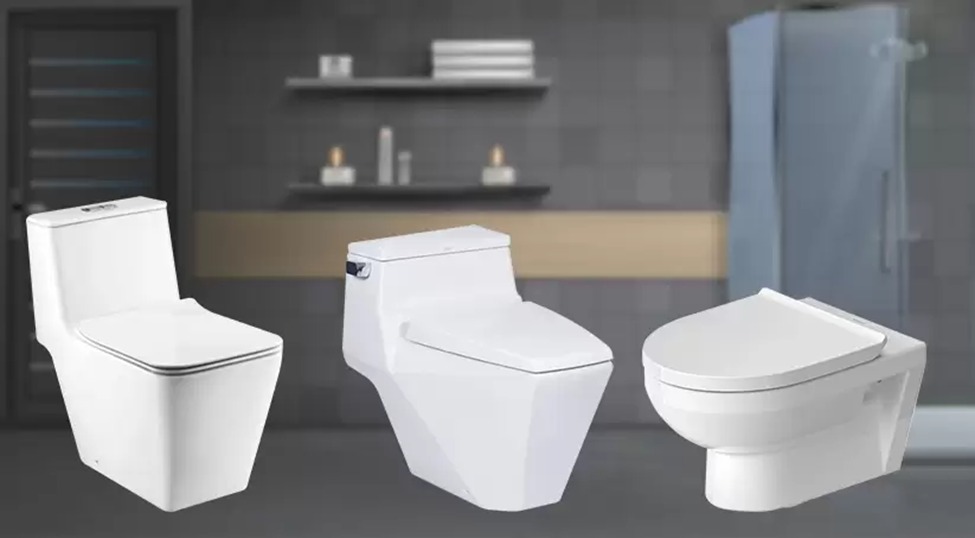
A wall-mount commode is a modern toilet where the bowl is fixed to the wall rather than the floor. Its cistern is usually concealed behind the wall, giving a clean and minimalist appearance. The height of the bowl can be adjusted during installation to suit the user’s comfort.
Wall-mounted toilets are particularly popular in urban apartments and luxury homes because they combine convenience, design, and hygiene.

What is an Indian Toilet Seat?
The Indian toilet seat is a traditional floor-mounted toilet, also called a squat toilet. It requires users to squat while using it, a position that many health experts consider natural for bowel movements. These toilets are widely used across India, especially in rural areas, older homes, and public facilities.
Indian toilet seats are simple, durable, and easy to maintain. They generally use less water per flush and can be installed with minimal plumbing changes.
Hygiene and Cleaning
One of the key advantages of a wall-mounted commode is improved hygiene. Since the toilet does not touch the floor, it reduces surfaces where germs can accumulate. The smooth ceramic surface and concealed cistern make cleaning quick and easy, ideal for busy urban households. Wall-mounted commodes from reputable brands like Simpolo Tiles and Bathware’s collection enhance hygiene with smooth ceramic surfaces, advanced NanoGuard antibacterial coating, and fully concealed cisterns, ideal for busy households seeking effortless maintenance and superior germ resistance.
The Indian toilet seat is also hygienic, but requires more effort to maintain. Its floor-mounted design can trap dirt around the edges, particularly in high-traffic bathrooms. However, many users find squatting toilets more hygienic because there is no direct contact with a shared surface.
Comfort and Ergonomics
A wall-mounted commode provides a sitting position, making it easier for older adults, children, or those with knee issues. Adjustable installation heights add flexibility, and modern designs ensure a comfortable experience for everyone in the household.
The Indian toilet seat promotes a natural squatting posture, which can help with bowel health and reduce constipation. However, it may be challenging for elderly or physically impaired users who find squatting uncomfortable.
Space and Design
The wall-mounted design of a wall mount commode saves floor space, making the bathroom appear larger and more open. Its sleek appearance complements contemporary interiors. The Indian toilet seat occupies more floor space but can still be integrated efficiently into compact bathrooms if designed thoughtfully. Its simple design works well for homes where functionality is prioritised over aesthetics.
Installation and Maintenance
Installing a wall-mount commode is more complex and requires professional assistance. The wall must support the user’s weight, and plumbing is usually concealed, which can make maintenance slightly challenging. However, once installed, cleaning and everyday use are hassle-free.
The Indian toilet seat is easy to install, requiring minimal structural modifications. Repairs and maintenance are straightforward, making it cost-effective, particularly in homes where professional assistance may not be readily available.
Cost Considerations
A wall-mount commode generally costs more than a traditional Indian toilet due to the unit price and professional installation. Despite the higher initial cost, it adds value to modern homes, improves aesthetics, and enhances user comfort.
The Indian toilet seat is budget-friendly and widely available. Its simplicity and durability make it ideal for households seeking a practical, long-lasting solution without the expense of professional installation.
Water Usage and Environmental Impact
Many wall-mount commodes feature dual-flush systems, conserving water and reducing utility bills. They are designed for modern eco-conscious households seeking efficiency without compromising hygiene. The Indian toilet seat uses water for cleaning rather than toilet paper, making it environmentally friendly. Depending on the flush system, it may use slightly more water per use than some modern wall-mounted toilets.
Popularity and Cultural Acceptance
In urban India, the wall-mounted commode is increasingly popular in apartments, hotels, and offices for its modern design and comfort. Younger homeowners and professionals often prefer it for both aesthetics and convenience. The Indian toilet seat remains common in rural areas, older homes, and government facilities. Many people continue to prefer it because of its cultural familiarity, simplicity, and perceived health benefits.
How to Choose Between a Wall-Mount Commode and an Indian Toilet Seat
When deciding between a wall-mount commode and an India toilet seat, consider:
- User Comfort: Elderly or mobility-impaired individuals may benefit from a wall-mounted sitting toilet.
- Space: Wall-mount toilets save floor space in compact bathrooms.
- Maintenance: Indian toilet seats are easier to maintain, while wall-mounted systems may require occasional professional servicing.
- Design Preference: Wall-mounted toilets suit modern interiors, whereas Indian toilet seats are practical for traditional or functional spaces.
- Budget: Wall-mount commodes cost more upfront, while Indian toilet seats are economical.
Conclusion
Both wall-mount commodes and Indian toilet seats offer unique advantages. Wall-mount commodes are ideal for modern homes seeking comfort, style, and easy maintenance, while India toilet seats remain practical, durable, and eco-friendly. By understanding your household’s needs, space availability, and budget, you can make the right choice. Whether you choose the modern convenience of a wall-mount commode or the traditional reliability of an Indian toilet seat, prioritising comfort, hygiene, and efficiency ensures a better bathroom experience for everyone.