Watermelon or Mango in Summer: Which Fruit Truly Supports Your Health Goals?
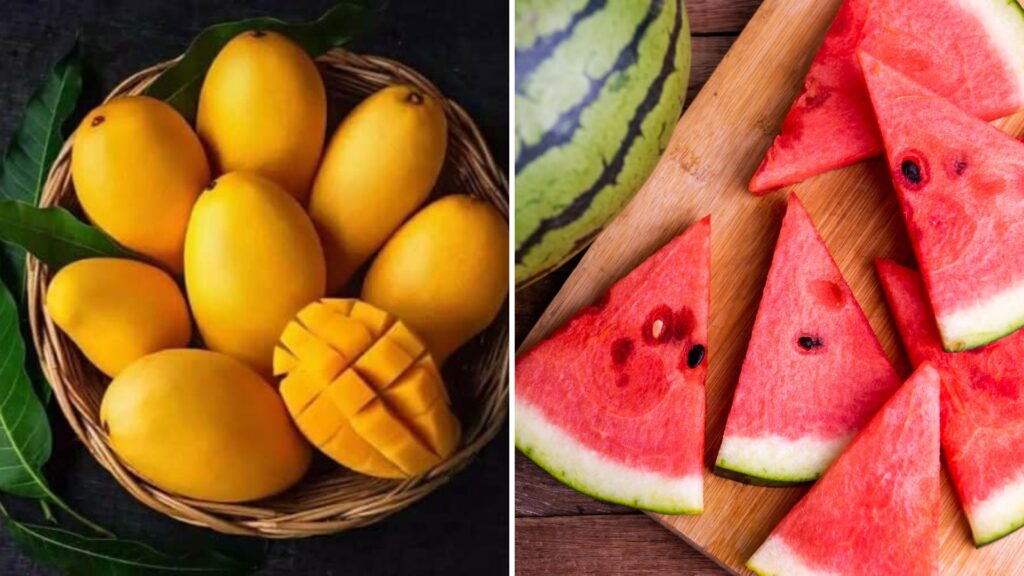
Watermelon or Mango in Summer: Which Fruit Truly Supports Your Health Goals?
Mango season is here, and that means summer is in full swing. Along with the sweetness of mangoes, watermelons start appearing everywhere, offering a refreshing way to stay cool. From local markets to cafés and even health-focused kitchens, both fruits become a major part of summer diets. Still, many people focused on fitness often question which one is the better choice for nutrition.
Nutritional profile of watermelon
Watermelon is known for its high water content and cooling effect. In 100 grams, it provides about 30 calories and is made up of nearly 91% water. It contains a small amount of carbohydrates, natural sugars, and minimal protein and fat, along with a little fiber. It also offers some potassium and magnesium, which help support hydration and basic body functions.

Nutritional profile of mango
Mango, on the other hand, is more energy-dense and nutrient-rich. A 100-gram serving contains around 60 calories and about 83% water. It has higher carbohydrates and natural sugar levels, along with more fiber compared to watermelon. Mango is also a good source of vitamins like A and C, as well as folate and potassium, making it more nutritionally packed.
Key differences between the two
Comparing the two, watermelon stands out as a hydrating fruit that is light and easy to digest. However, because it digests quickly, it may not keep you full for long. Mango provides more calories but also delivers more fiber and essential nutrients, which help in keeping you satisfied for a longer time. The fiber content also slows digestion and supports better control over hunger and blood sugar levels.
Clearing common myths
Many people misunderstand fruits by focusing only on calorie count or glycemic index. Higher calories are often seen as unhealthy, while foods with a higher glycemic index are avoided without proper context. In reality, overall nutritional value matters more. Watermelon may leave you feeling hungry sooner, while mango tends to provide longer-lasting satiety.
Which one should you choose?
Both fruits are healthy and can be part of a balanced diet. The better choice depends on what your body needs at a particular moment. Watermelon is ideal when hydration is the priority, especially after being out in the heat or after physical activity. Mango is more suitable when you need energy, nourishment, and a feeling of fullness.
Ways to enjoy watermelon
Chilled cubes or slices are the most refreshing option, and adding a pinch of black salt or chaat masala can enhance the taste. It can also be blended into a light juice with mint and lemon for a cooling drink. Another option is to mix it into a fruit salad with ingredients like cucumber, berries, or even cheese to make it more filling.
Ways to enjoy mango
Fresh chilled slices are always a favorite during summer. It can also be blended with milk or yogurt to create a creamy smoothie or shake, with flavors like cardamom adding extra taste. Mango also works well in salads when combined with other fruits, nuts, and seeds, along with a touch of seasoning.
Both watermelon and mango offer unique benefits during the summer season. Including both in your diet allows you to stay hydrated, energized, and well-nourished without feeling restricted.