What Is Adhik Maas? Understanding The Spiritual Meaning And Traditions Of Purushottam Maas
What Is Adhik Maas? Understanding The Spiritual Meaning And Traditions Of Purushottam Maas
Pune, May 19, 2026: Ever wondered how an extra month drops into our traditional calendar every few years, shifting our festival timelines? That is Adhik Maas also known as Purushottam Maas or Mal Maas and it represents a highly precise bridge between astronomy and cultural practice. Far from being a mere calculation error, it functions as a vital astronomical adjustment, operating essentially as a cosmic leap month. While the solar calendar takes about 365 days to circle the sun, the lunar calendar finishes its year in roughly 354 days, leaving an 11-day annual deficit.
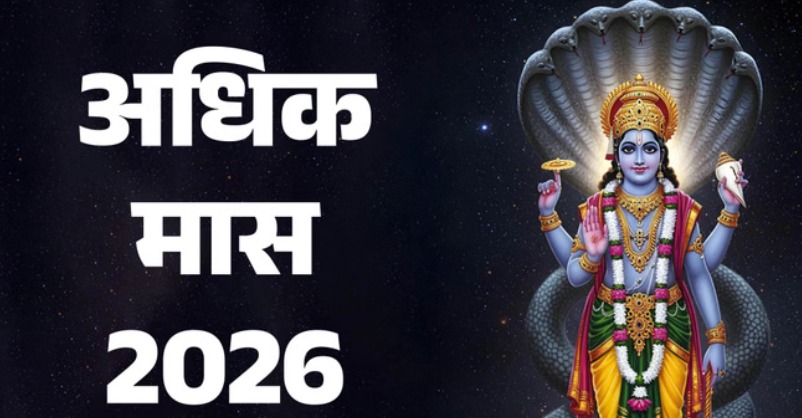
To prevent our seasons and traditional festivals from drifting entirely out of sync, ancient Indian astronomers introduced this additional month approximately every three years. Spiritually, because this month lacks a solar transit, it was originally classified as an inactive or “unclean” space. However, Lord Vishnu adopted the month and named it Purushottam Maas, transforming it into a significant opportunity for a spiritual reset centered on internal alignment, reflection, and a temporary detachment from regular material goals.

The word Purushottam can be broken into two words, purush meaning human and uttam meaning better or good. This time is widely known as Purushottam Maas because it is a dedicated time when people work towards becoming more grounded and better as individuals.

Since Adhik Maas is disconnected from standard worldly duties, major life events like weddings or moving into a new home are generally deferred. Instead, the focus shifts toward building structured, mindful daily habits. The observance is largely internal, involving consistent morning routines, lighting a diya, and dedicating time to meditation or study. Many individuals also practice partial fasting or maintain a sattvic diet during this period to cultivate physical and mental discipline.
Another primary aspect of the month is philanthropy, which is viewed as a major multiplier for positive actions. Allocating time to support social impact causes, distributing food to the needy, or engaging in community service carries substantial spiritual weight during this specific window.
When it comes to gifting, the practice is rooted in the concepts of charity and sharing abundance. The most traditional offering consists of thirty-three sweet, fried malpuas presented in a bronze container, where the number thirty-three represents the distinct categories of deities in Hindu cosmology. To blend this tradition with modern utility, excellent gifting options include sustainable brass or bronze utensils, simple silver coins, or well-crafted diyas.
Gifting philosophical texts or literature that encourages intellectual and personal growth also aligns closely with the theme of self-reflection. Ultimately, Adhik Maas serves as a structured reminder to pause our fast-paced routines, realign our internal schedules, and invest energy into community welfare and personal development.