When You Say Cheers With ₹150 Beer, Wondered How Much Goes To Government, Seller And Brewer?
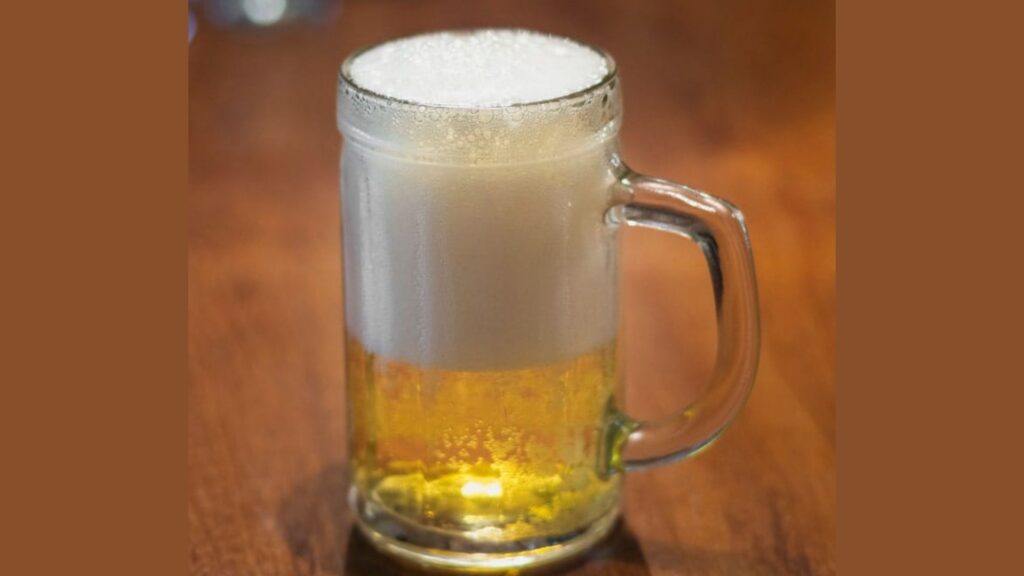
When You Say Cheers With ₹150 Beer, Wondered How Much Goes To Government, Seller And Brewer?
More than half the price of a bottle of beer in India often goes to taxes, with states taking the largest share.
A bottle of beer priced at ₹150 may seem straightforward at the counter, but its cost hides a complex and heavily taxed structure. In India, alcohol is kept outside the Goods and Services Tax (GST) framework, giving state governments complete control over taxation. This is why the same brand of beer can cost significantly different amounts across states.
Unlike most consumer products, beer and other alcoholic beverages are taxed only by state governments. The Centre does not levy GST on alcohol, making excise duty, value-added tax (VAT), and additional state-level cess the primary sources of taxation. For many states, alcohol revenue forms a critical part of their finances.
According to available estimates, the largest share of a beer’s price goes to the state government. In several states, total taxes on beer exceed 50 per cent of the retail price. This includes excise duty, VAT, and in some cases, special cess imposed to boost state revenues.

For instance, states like Karnataka have beer taxation levels crossing 52 per cent. Maharashtra, too, has steadily increased excise duties over the years, leading to higher prices for consumers. As a result, a significant portion of what buyers pay goes straight to the government.
If a beer is sold at an MRP of ₹150 and the total tax component is around 50 per cent, nearly ₹75 from that bottle goes directly into government coffers. This amount does not include any central taxes, as alcohol remains outside GST.
The remaining ₹75 is split across the entire supply chain. This includes the cost of brewing the beer, bottling, packaging, transportation, distributor margins, and the shopkeeper’s profit. Industry estimates suggest that the actual cost of producing and supplying the beer itself is often only ₹60 to ₹70.
Retailers earn a relatively small margin per bottle after accounting for distributor commissions and operating costs. The brewer’s share is also limited once production expenses, logistics, and marketing costs are deducted. This explains why beer prices rise sharply when states revise excise policies, even if production costs remain stable.
One key reason alcohol has been kept out of the GST regime is the issue of state revenue. Alcohol sales generate substantial income for state governments, and bringing it under GST would require sharing revenue with the Centre. Many states have consistently opposed such a move, fearing a loss of financial autonomy.
As a result, consumers continue to bear the burden of high and varying taxes, with beer prices determined less by manufacturing cost and more by state-level tax policy. For buyers, this means that a large part of what they pay for a bottle of beer has little to do with what’s inside it and far more to do with government levies.
Disclaimer: This article is for informational purposes only. Tax structures, rates, and pricing vary by state and are subject to change based on government policy.