Why Chewing 3–4 Tulsi Leaves on an Empty Stomach Can Be a Game-Changer for Your Health
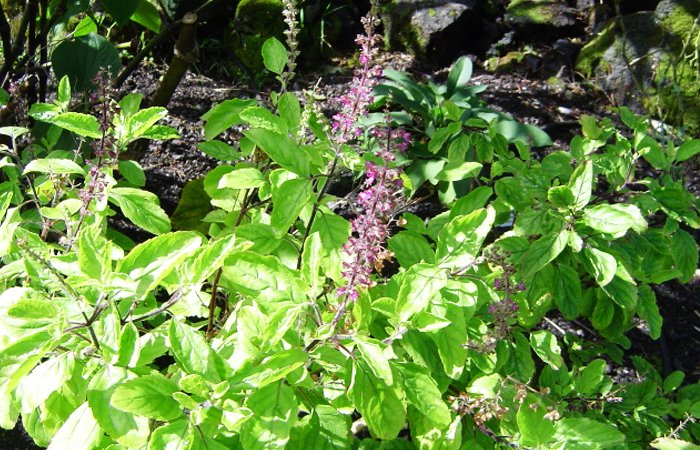
Why Chewing 3–4 Tulsi Leaves on an Empty Stomach Can Be a Game-Changer for Your Health
Every morning routine has the power to shape your day—and sometimes, even your long-term health. One small but powerful habit that many Indians have followed for centuries is chewing a few fresh tulsi leaves (also called holy basil) on an empty stomach. And it turns out, this age-old Ayurvedic practice has more science behind it than you might think.
Known as the “Queen of Herbs,” tulsi is not just a sacred plant in Indian homes—it’s also a natural healer loaded with antioxidants, vitamins, and essential oils. It helps your body wake up, detox, and prepare for the day ahead.
Let’s take a look at how this simple morning ritual can help you stay healthy, active, and full of energy.

Top Health Benefits of Chewing Tulsi Leaves in the Morning
1. Boosts Your Immunity and Helps Cleanse the Body
Tulsi is rich in natural compounds like eugenol and rosmarinic acid, which help your body fight off germs and infections. Chewing tulsi leaves in the morning helps your system flush out toxins collected overnight. This boosts your immune system and lowers your chances of falling sick with common colds, coughs, and seasonal flu.
2. Improves Breathing and Clears the Lungs
Tulsi has natural anti-inflammatory and antibacterial properties. When you chew the leaves, it helps clear out mucus and phlegm from your throat and chest. It also soothes irritated airways, making it easier to breathe—especially helpful for those dealing with allergies, asthma, or city pollution.
3. Reduces Stress and Improves Focus
Tulsi is considered a natural adaptogen. That means it helps your body manage stress better. By balancing your cortisol levels (the stress hormone), it keeps your mood steady, helps you stay calm, and improves mental clarity. Starting your day with tulsi may help you feel more focused and peaceful.
4. Helps with Digestion
If you often feel bloated or get acidity, chewing tulsi leaves might help. The leaves stimulate your stomach to release the right digestive juices, making it easier to break down food. It can also help reduce gas, heartburn, and discomfort—setting your digestive system up for a smooth day.
5. Supports Healthy Blood Sugar Levels
Studies suggest that tulsi may help keep your blood sugar levels stable by improving how your body uses insulin. If you’re someone managing diabetes or trying to stay ahead of it, adding tulsi to your routine could be a natural way to support your efforts.
6. Keeps Your Heart Healthy
Tulsi supports heart health by reducing bad cholesterol (LDL), increasing good cholesterol (HDL), and helping maintain healthy blood pressure. Its antioxidants protect your heart from daily wear and tear, keeping your cardiovascular system in better shape over time.
7. Improves Oral Health
Tulsi’s antibacterial nature helps fight the bacteria that cause bad breath, gum infections, and even cavities. Chewing it first thing in the morning helps clean your mouth naturally. It also soothes swollen gums and keeps your breath fresher without any chemicals.
8. Gives You Clearer, Healthier Skin
What you eat—and chew—can reflect on your skin. Tulsi helps reduce acne, skin irritation, and dullness by purifying your blood and fighting inflammation from the inside out. Over time, your skin can become clearer and more balanced naturally.
Tulsi is a natural herb, but like anything, moderation is key. Try to stick to 2–3 leaves per day. Too much can sometimes have side effects, especially if you’re pregnant, breastfeeding, or taking certain medications. Always talk to your doctor if you’re unsure. Adding just a few tulsi leaves to your morning routine is a simple habit, but the benefits can be big. From stronger immunity to better digestion and even glowing skin, this small step can lead to better health naturally. The best part? It’s free, easy, and backed by both tradition and science.
Disclaimer: This article is for educational purposes only. It is not a substitute for medical advice, diagnosis, or treatment. Always consult a qualified healthcare provider before making changes to your health or wellness routine.