Why Every Popular Hill Station in India Has a Mall Road
Why Every Popular Hill Station in India Has a Mall Road
Stepping into an Indian hill station feels like entering a familiar rhythm of life. Tourists often find themselves drawn to a central stretch bustling with activity—shops, cafés, colonial-era buildings, and crowds enjoying the cool mountain breeze. This thoroughfare, almost always called Mall Road, is a hallmark of hill stations like Shimla, Manali, Nainital, Darjeeling, Mussoorie, and Ooty. While it may look like a modern shopping avenue, its existence and charm have deeper roots in history, geography, and cultural evolution.
The British Influence on Hill Stations
During the colonial era, the British developed hill stations as seasonal retreats to escape the sweltering heat of the plains. Towns such as Shimla, Mussoorie, Nainital, and Darjeeling were designed to reflect the structure and feel of small English settlements. Central to this design was the “Mall”—a wide, pedestrian-friendly promenade where British officers and their families could stroll, socialize, and enjoy the scenic surroundings. Far from being just a commercial street, the Mall Road symbolized elite leisure, often restricted to colonial residents while local populations were discouraged from frequenting it.

Community Spaces at the Heart of Towns
Mall Roads were carefully planned to serve as the town’s social and administrative hub. Churches, libraries, clubs, and government offices were situated along or near the promenade, making it a convenient center for both work and recreation. Wide enough for leisurely walks and lined with panoramic views, these roads naturally became the gathering point for residents and visitors alike. Even after India gained independence, Mall Roads continued to anchor the social and cultural life of hill stations, preserving their colonial layout while adapting to modern needs.
Geography Shaped the Planning
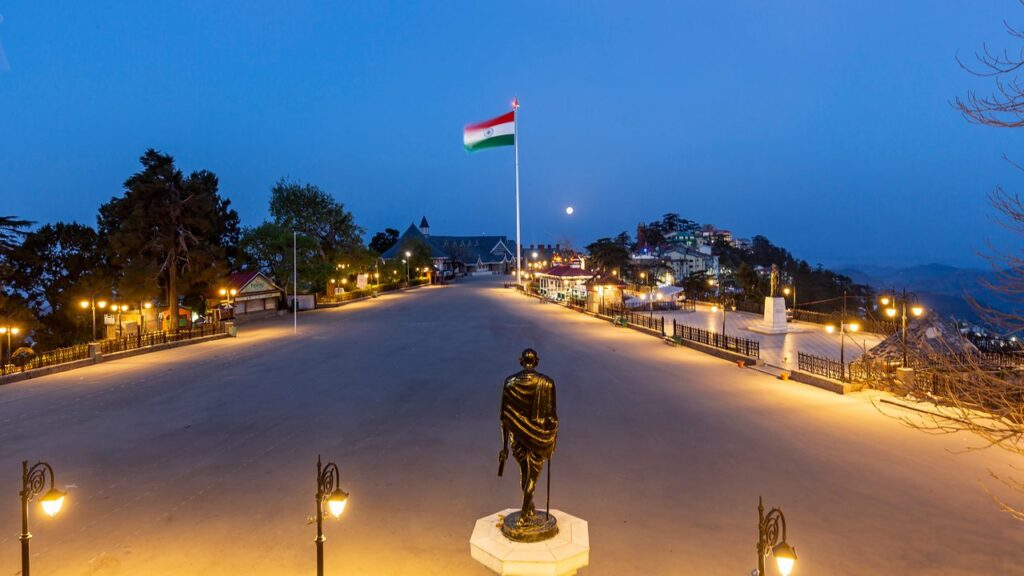
The mountainous terrain of hill stations limited the availability of flat land. By concentrating commercial and social activity along a single accessible stretch, planners made life easier for pedestrians and supported local businesses. Shops, eateries, and markets naturally gravitated to these promenades, making them the practical heart of the town. Today, Mall Roads still provide one of the few level spaces in hill stations, making them ideal for festivals, parades, performances, and public gatherings.
From Promenade to Cultural Landmark
Over the decades, Mall Roads evolved from exclusive colonial avenues into vibrant cultural spaces. Evening walks became a tradition, drawing families, couples, and tourists to enjoy the scenery, socialize, and soak in the town’s atmosphere. Iconic locations like Shimla’s Ridge, Darjeeling’s Chowrasta, Nainital’s lakeside promenade, and Mussoorie’s café-lined streets each developed a unique personality while preserving their nostalgic charm.
Blending Tradition With Modernity
Today, Mall Roads seamlessly merge the old with the new. Heritage buildings, churches, and scenic viewpoints coexist with contemporary cafés, boutique stores, adventure activity counters, and street food vendors. Local handicrafts sit alongside trendy fashion shops, while street stalls sell roasted corn, momos, and baked treats. This combination ensures that Mall Roads remain dynamic spaces appealing to history enthusiasts, casual visitors, and families alike.
Democratization of Space
Originally designed for British elites, Mall Roads have now become inclusive spaces where people from all walks of life can gather and enjoy the mountain environment. They reflect the journey of Indian hill stations from colonial exclusivity to vibrant, accessible public spaces, offering both social interaction and a connection to history.