Why Rewadi And Phule Are Offered In Lohri Fire: The Real Meaning Behind The Ritual, Date and Significance
Why Rewadi And Phule Are Offered In Lohri Fire: The Real Meaning Behind The Ritual, Date and Significance
More than a festive custom, the Lohri bonfire ritual reflects gratitude, abundance, and the deep bond between nature and human life.
One of the most loved festivals of North India, Lohri is much more than dancing, music and celebration. It is a festival deeply rooted in gratitude, tradition and respect for nature. Lohri is celebrated a day before Makar Sankranti, making it both astrologically and culturally significant.
In 2026, Lohri will be celebrated on Tuesday, January 13, marking the end of the coldest phase of winter and the beginning of longer, brighter days.
Lohri is closely associated with the solar transition when the Sun moves into the zodiac sign of Capricorn (Makara). While Makar Sankranti represents this astronomical change, Lohri acts as its joyful eve, filled with bonfires, folk songs and community gatherings. It symbolises warmth, hope and a fresh beginning.

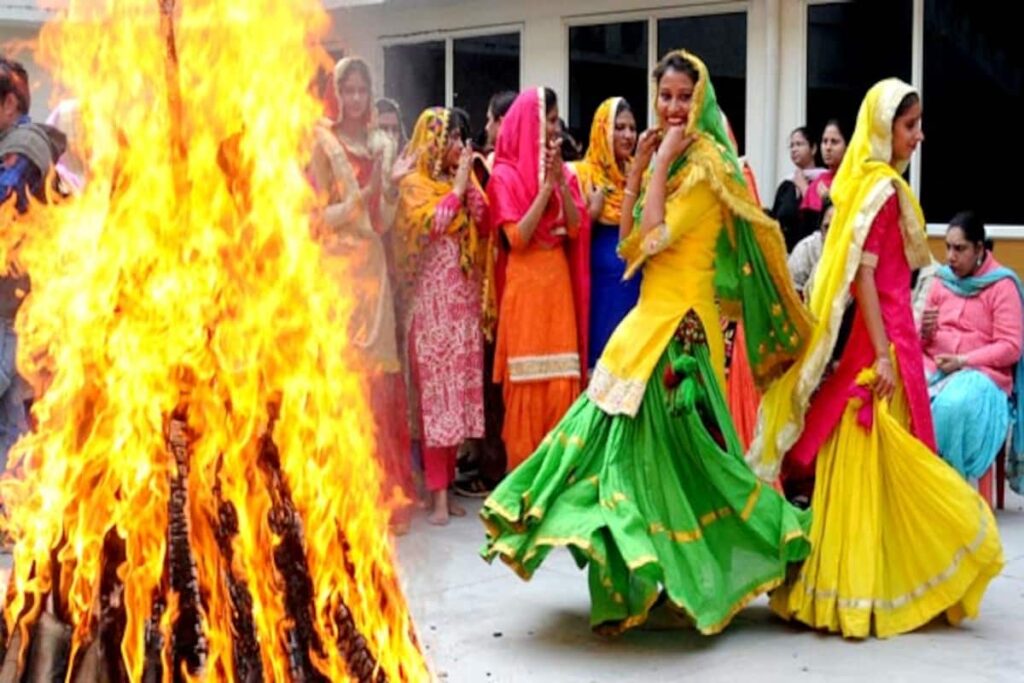
The heart of Lohri celebrations is the bonfire. Families and neighbours gather around the fire and offer traditional items such as sesame seeds (til), jaggery (gur), peanuts, gajak, rewadi and phule (popcorn). These offerings are not random snacks but powerful symbols of prosperity, gratitude and nourishment.
Rewadi and gajak are made from sesame seeds and jaggery, which are considered warming foods in winter. They provide energy and strength to the body during cold months. Offering them into the fire expresses thankfulness for nature’s gifts and prayers for good health and abundance in the coming season. Sesame seeds represent longevity and purity, while jaggery symbolises sweetness and happiness in life.
Phule, or popcorn, symbolises growth and transformation. Just as corn expands when heated, it reflects human growth, prosperity and positive change. Offering phule into the Lohri fire is a way of asking for progress and blessings in personal and family life.
The bonfire itself represents Agni, the sacred fire. Fire is seen as a purifier and a witness to prayers. By offering food items into the fire, people show gratitude for warmth, crops, protection from harsh winter, and hope for a prosperous future. It is also a reminder of harmony between humans and nature.
Lohri holds special importance for farmers. It comes as a pause before the harvest season and is a moment to thank nature for a good crop. It celebrates agrarian life and honours the hard work that goes into farming. This is why Lohri remains emotionally close to Punjabi culture and identity.
Lohri is also deeply connected to Punjabi folklore and bravery. The festival honours the legendary figure of Dulla Bhatti, a hero remembered for his courage and compassion. According to folklore, his story originated during the reign of Mughal Emperor Akbar in the sixteenth century. Dulla Bhatti was known as a dacoit who looted the wealthy and helped the poor. But more than a rebel, he was seen as a protector of the oppressed and a champion of justice.
It is believed that at a time when young women in Punjab were being sold to rich merchants, Dulla Bhatti stood against this cruelty. He rescued girls from being trafficked and arranged their marriages with Hindu boys, protecting their dignity and future. Because of this, he is remembered as a guardian figure who fought social injustice. Lohri is celebrated to honour his bravery and his struggle against oppression.
Traditional Lohri songs sung around the bonfire often praise Dulla Bhatti. These songs keep his story alive and remind people of the importance of standing up for the weak. They reflect the values of courage, kindness and humanity that Lohri represents.The festival is also special for newlyweds and newborns. Their first Lohri is celebrated with extra enthusiasm, symbolising new beginnings, fertility and continuity of family lineage. It reflects joy, hope and blessings for a bright future.
Bhangra and Gidda, the vibrant folk dances of Punjab, add energy and celebration to the evening. People clap, dance, laugh and share sweets like peanuts, rewadi, gajak and sesame treats with one another. This sharing symbolises love, unity and brotherhood. It reminds people that happiness grows when it is shared.
Overall, Lohri represents health, prosperity, love and harmony. The act of offering rewadi and phule into the fire is a symbolic way of thanking nature, welcoming abundance and praying for a life filled with sweetness, strength and growth.