Why We Decorate Christmas Trees on December 25: A Tradition Rooted in Centuries of History
Why We Decorate Christmas Trees on December 25: A Tradition Rooted in Centuries of History
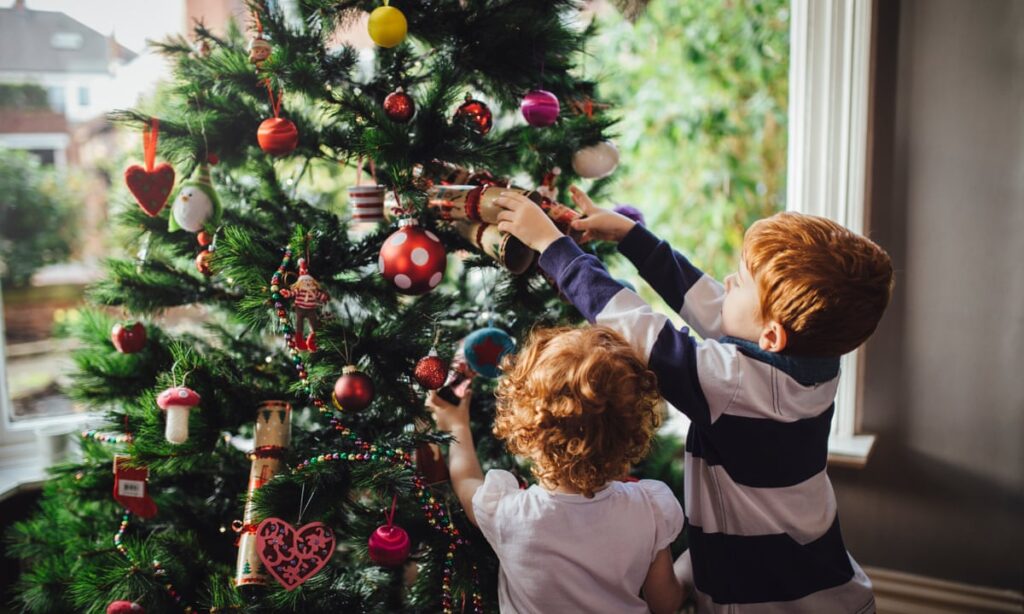
The sparkle of Christmas lights, the scent of pine, and the excitement of placing ornaments on a tree—these are moments many families look forward to each December. Decorating a Christmas tree feels wonderfully festive, but the practice itself comes from a long journey through culture, religion, and even technology.
Origins in Early European Traditions
Long before Christmas trees became household essentials, people in sixteenth-century Germany began bringing greenery indoors during winter. These early displays were connected to Christian customs, particularly the feast day of Adam and Eve on December 24.

During this period, religious plays were performed to tell Bible stories to largely illiterate communities. For these performances, a “paradise tree”—often a fir tree decorated with apples—represented the Garden of Eden. Over time, the idea of keeping such a tree at home began to take hold.
From Simple Green Boughs to Candlelit Beauty
By the 1700s, the Christmas tree had evolved into something more personal and decorative. Families in Germany started placing small fir trees inside their houses and trimming them with candles, symbolizing Christ as the “light of the world.”
Alongside candles, people added homemade decorations such as fruit, nuts, and cookies, giving their trees a warm and handcrafted charm.
The Victorian Boost That Spread the Tradition
The tradition gained enormous momentum in the 1800s. When Prince Albert, the German-born husband of Queen Victoria, brought his childhood custom to the British royal household, the idea quickly became fashionable throughout England.
Victorian families decorated their trees with candles, sweets, small toys, and popcorn chains. Around the same time, German immigrants introduced the Christmas tree to the United States, where families continued the practice using candles and homemade ornaments.
It wasn’t until the 1880s that shiny glass decorations—now a staple—began appearing in Britain and America.
The Danger Behind the Beauty
Despite their beauty, early Christmas trees carried serious risks. Candles clipped to branches often caused fires, leading to tragic accidents in homes, schools, and even hospitals.
By the early 1900s, the danger had become so great that insurance companies frequently refused coverage for fire damage caused by Christmas tree candles. Manufacturers tried to reduce hazards by creating weighted candleholders, but the risk never fully disappeared.
The Arrival of Safer, Brighter Lights
A major turning point came in 1882, when the first electric Christmas lights were introduced. At the time, electricity was still a luxury, so only a few wealthy families could enjoy these glowing strands.
As electrification spread across the United States, demand for electric lights surged. By the 1920s, electric lights were becoming normal holiday decor, and by 1960, when nearly every American home had electricity, they had almost completely replaced candles—dramatically lowering the risk of Christmas tree fires.
Growth of the Christmas Tree Market
Commercial sales of Christmas trees in the United States began in 1851, with early trees harvested from natural forests. Over time, demand grew so rapidly that farmers began cultivating trees specifically for the holiday season.
Today, Christmas trees are grown on dedicated farms, and more than 350,000 acres across the country are devoted to nurturing them.
A Tradition That Continues to Evolve
From their beginnings in medieval religious performances to the bright, ornament-filled trees we enjoy today, Christmas trees have transformed with each generation. Modern lighting and safer materials have preserved the beauty of the tradition while removing many of the dangers that once came with it.
As families decorate their trees each December—whether with heirloom ornaments, colorful lights, or simple handmade crafts—they continue a tradition that has traveled through centuries, cultures, and continents. The Christmas tree remains a joyful symbol of celebration, warmth, and togetherness during the holiday season.
Disclaimer: This article is meant solely to share historical and cultural information.