Why You See Hanging Vinegar Bottles on Balconies – And What They’re Really For
Why You See Hanging Vinegar Bottles on Balconies – And What They’re Really For
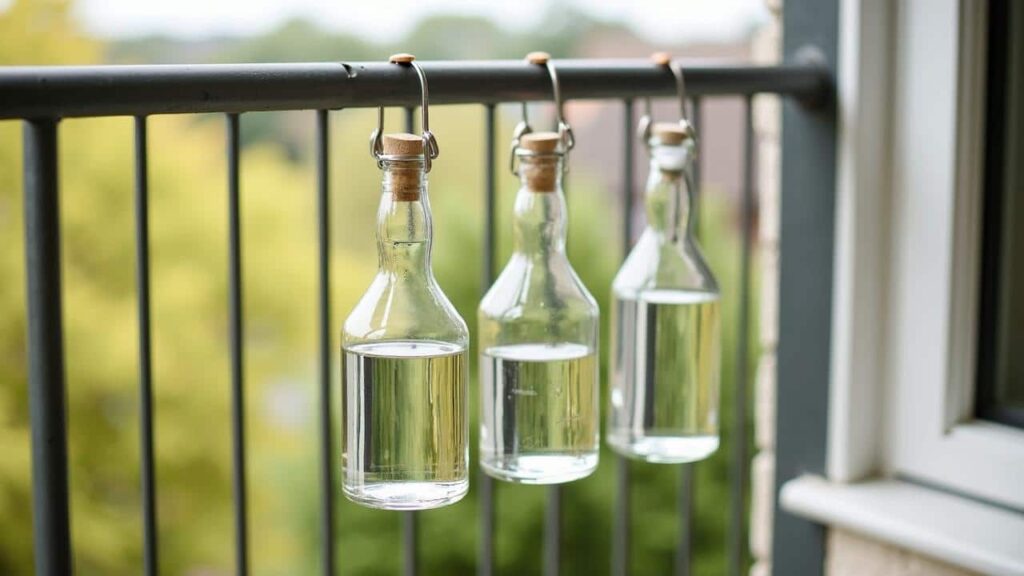
If you’ve ever walked past a Mediterranean or urban apartment block in summer, you might have noticed something unusual: plastic bottles swaying gently from balconies. They aren’t planters or decorations—they’re half-filled with water, sometimes clouded with vinegar, and occasionally punctured to let air in. At first glance, they look mysterious, almost like a DIY art project. But there’s a practical reason behind this odd sight, one rooted in everyday city life: keeping insects at bay.
The Curious Case of Balcony Bottles
Stroll through a neighborhood in Spain, Italy, France, or Brazil, and you’ll start spotting these bottles everywhere. Some balconies have just one bottle, while others seem to string a dozen along the railing. Passersby may shrug or offer a dozen different explanations: “It keeps flies away,” “It’s for wasps,” or “It’s a cat deterrent.”

Despite their improvised appearance, these bottles have a simple, functional purpose. For families who enjoy eating outside, a few well-placed traps can make the difference between a peaceful evening and a buzzing nightmare of flies and wasps.
How Vinegar Bottles Work
The concept is surprisingly straightforward. Vinegar has a strong, sour aroma that attracts certain insects, particularly flies and wasps. When mixed with water—and sometimes sugar or fruit scraps—it lures these pests into the bottle. Once inside, insects have difficulty finding their way out.
Positioning is key. Hanging the bottles along the outer edge of your balcony or near problem areas like garbage bins or compost keeps the insects away from your seating area. While not a perfect shield, these traps reduce the number of insects reaching your food or drink significantly.
DIY Vinegar Trap: Step-by-Step
Making a vinegar trap is cheap and easy. Here’s the classic method:
- 1. Take an empty 1–1.5 liter plastic bottle.
- 2. Cut off the top third and invert it into the bottom part, creating a funnel.
- 3. Pour in a mixture of water and vinegar until the liquid reaches a few centimeters high. Optional: add sugar or fruit peels to increase the attraction.
- 4. Hang the bottle from the balcony railing in a sunny, breezy spot where insects are likely to fly.
- One or two bottles are usually enough for a small balcony. Avoid overhanging them directly above your table or near windows, as this could backfire by attracting insects right to where you sit.
Common Mistakes to Avoid
- Even a simple trap can fail if not maintained properly. The most frequent errors include:
- Neglecting the mixture: Vinegar water only works for a few days. Leaving it for weeks in the sun leads to mold, larvae, and a foul mess. Refresh the mixture at least once a week.
- Poor placement: Hanging the bottle too close to your outdoor seating can attract insects to the very spot you’re trying to protect. Keep it at the balcony’s edge or near insect hotspots.
- Ignoring hygiene: Traps are more effective when combined with clean surfaces, covered trash bins, and removed fruit scraps.
Tips for Better Results
- Use transparent bottles to monitor the catch.
- Keep traps out of children’s and pets’ reach.
- Avoid positioning them directly above food or sitting areas.
- Refresh the mixture weekly during hot weather for maximum efficiency.
Vinegar Bottles in Everyday Life
Beyond their practical purpose, these bottles reveal something about human ingenuity. In a world dominated by gadgets, apps, and commercial solutions, simple household items can become powerful tools. People share these tips in forums, social media groups, and among neighbors, passing along practical solutions that don’t cost a dime.
There’s also a small, almost poetic side to it. On a warm evening, the gentle clink of the bottle in the breeze becomes a signal of calm. It’s a tiny victory over an otherwise annoying problem—a quiet, homemade spell against the everyday nuisances of summer.
Frequently Asked Questions
Do vinegar bottles repel all insects?
No. They mainly attract flies, fruit flies, and wasps. Mosquitoes are less affected, so additional methods may be needed.
Which vinegar is best?
White vinegar is inexpensive and strong-smelling, making it the most common choice. Apple cider vinegar works too, particularly for fruit flies, but is costlier.
How many bottles do I need?
For a small balcony, one or two well-placed bottles usually suffice.
Is it unhygienic to leave vinegar bottles outside?
If refreshed regularly and kept sealed except for entry points, the bottles remain clean. Neglecting them can cause odors, mold, and larvae.
Will bottles attract more insects to my building?
Generally, no. The traps mostly capture insects already nearby, so they intercept rather than attract large numbers from afar.
Small but Effective Summer Hack
Hanging vinegar bottles may seem like a curious sight at first, but they’re a testament to resourcefulness. They transform a common kitchen ingredient into a practical insect trap, giving families back their outdoor space without chemicals or expensive devices.
In the end, these bottles are more than just pest control—they’re a small gesture of reclaiming comfort, a reminder that sometimes the simplest solutions are also the most effective. And on a sunny afternoon, watching the bottles sway in the breeze, you might even find yourself appreciating them as a little piece of homemade ingenuity.