10 Most Dangerous Mountain Passes in Maharashtra – Routes Where Beauty and Risk Travel Side by Side

10 Most Dangerous Mountain Passes in Maharashtra – Routes Where Beauty and Risk Travel Side by Side
Across Maharashtra, the winding roads that cut through the Sahyadri mountains are known for their breathtaking scenery — mist floating over deep valleys, dense forests lining both sides, and waterfalls that spring to life during the monsoon. These ghats attract thousands of travellers every year, from daily commuters to adventure seekers who want to experience the charm of the Western Ghats up close.
But behind this beauty lies a reality that is often overlooked. The same roads that offer spectacular views also demand absolute attention, because one miscalculation, one unexpected turn, or one moment of poor visibility can change everything. Over the years, numerous accidents — some reported, many quietly endured by families — have taken place on these routes. Landslides, fog, narrow lanes, and sharp bends turn these picturesque paths into high-risk zones, especially during monsoon and winter.
As discussions around road safety grow stronger and travel increases across the state, it becomes important to understand which ghats pose the greatest danger and why.

Here’s a detailed look at 10 of the most hazardous mountain passes in Maharashtra, each carrying its own set of challenges and risk factors.
1. Varandha Ghat – Pune to Raigad
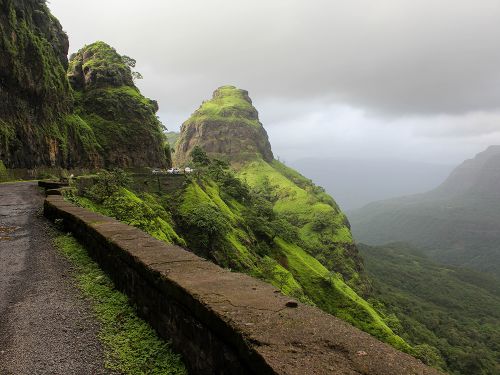
Varandha Ghat is admired for its vast valleys and lush greenery, but the road demands extreme caution. The stretches are narrow, with sudden twists that challenge even experienced drivers. Fog is a constant companion in monsoon and winter, cutting down visibility to a few metres.
2. Anuskura Ghat – Ratnagiri to Kolhapur

This ghat is especially dangerous because of its sharp hairpin turns and narrow roadway. One entire side opens into a steep valley, leaving very little margin for error. After sunset, the absence of adequate lighting further heightens the risk.
3. Khambatki Ghat – Pune–Bengaluru Highway
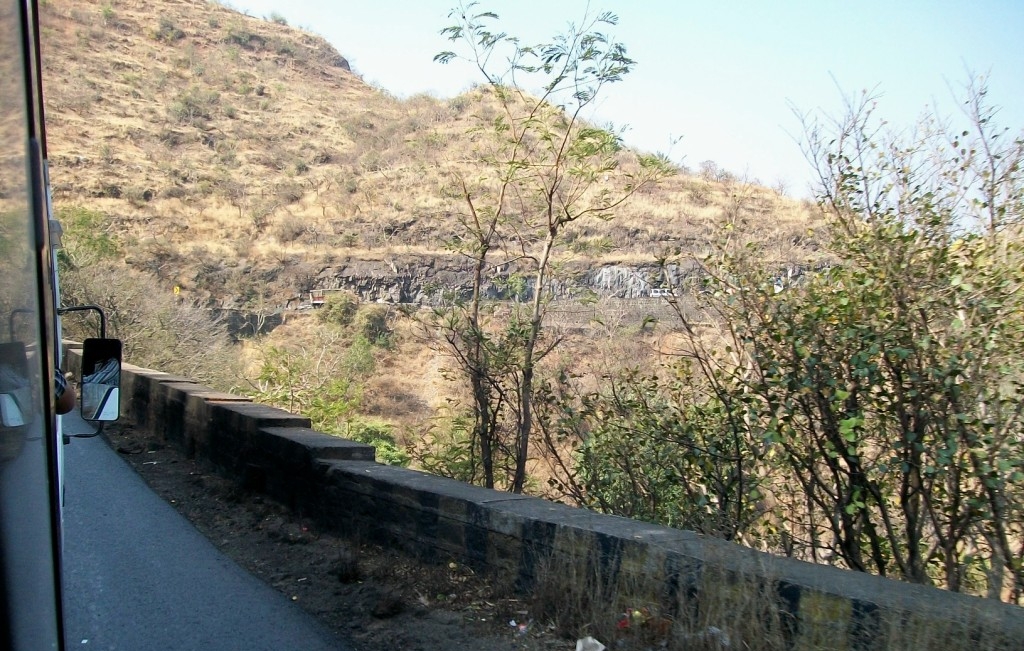
A crucial connector for travellers heading from Pune and Satara toward the Konkan, Khambatki Ghat is notorious for its S-shaped curves. These bends are responsible for numerous accidents, making the stretch an officially recognised “black spot.”
4. Parshuram Ghat – Mumbai–Goa Highway

Parshuram Ghat faces recurring landslides every monsoon, often causing roadblocks, damaged patches, and hours-long traffic halts. The threat of shifting soil does not disappear even after the rains stop, making this route risky throughout the year.
5. Ambenali Ghat – Raigad
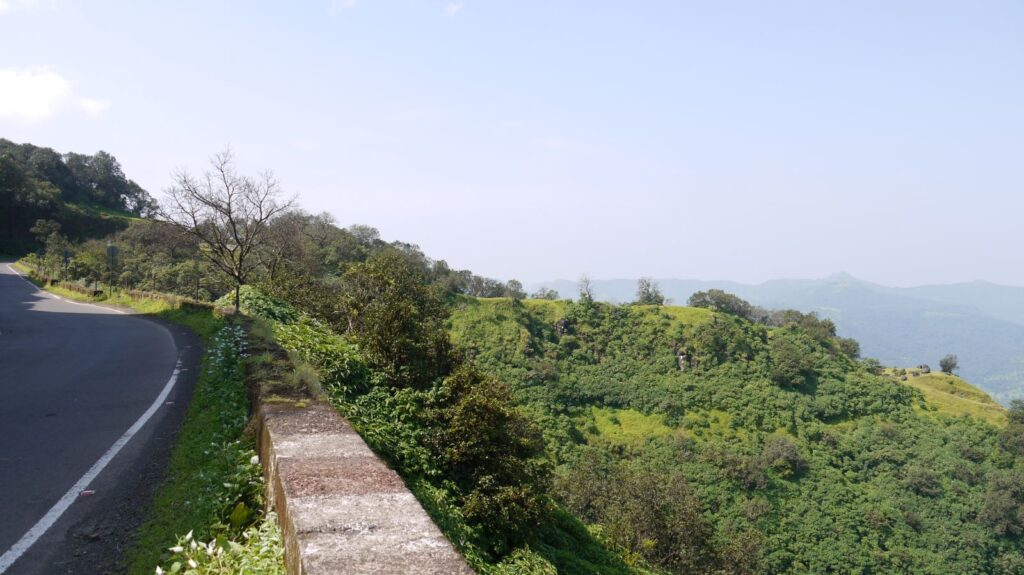
One of Maharashtra’s longest and most winding ghats, Ambenali challenges drivers with its steep gradients and frequent landslide-prone areas. The length of the ghat itself becomes mentally exhausting, especially during the rainy season.
6. Raghuveer Ghat – Satara to Ratnagiri
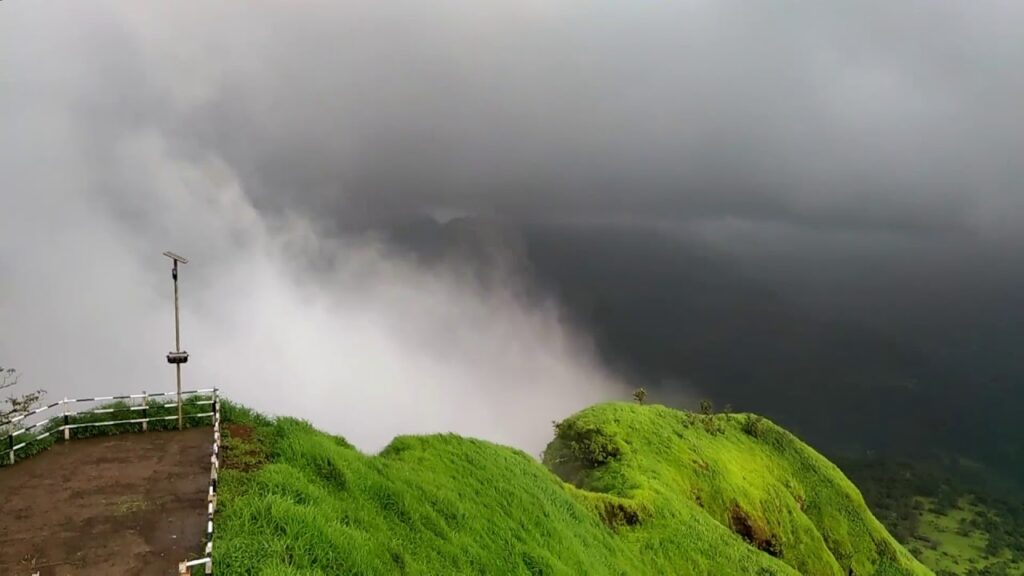
This ghat runs along the edge of a deep valley, and several parts lack protective walls. While it is a favourite monsoon viewpoint for travellers, the combination of slippery surfaces and unstable soil makes the route dangerous when the rains arrive.
7. Tilari Ghat – Sindhudurg to Kolhapur–Goa
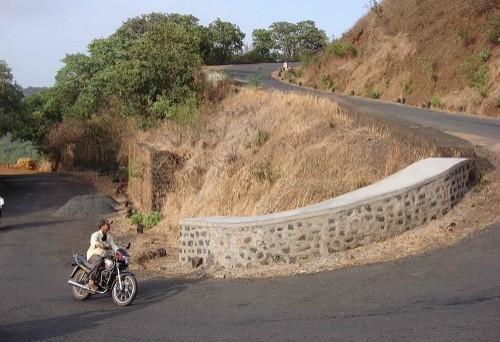
Tilari Ghat is one of the most unpredictable routes during the monsoon. Heavy rainfall triggers landslides, and the steep incline makes driving even more challenging. Authorities often recommend avoiding this ghat on days of intense rain.
8. Malshej Ghat – Thane–Pune Region
Malshej is known for its floating clouds, countless waterfalls, and scenic charm. But dense fog suddenly sweeping in can reduce visibility to near zero, catching drivers off guard. The mist often hides incoming curves, making speed control difficult.
9. Gaganbawda Ghat – Kolhapur
This picturesque route becomes risky during heavy rains due to potholes, slippery patches, and sharp turns that appear without warning. The steep climb demands slow, steady driving and complete concentration.
10. Amboli Ghat – Sindhudurg
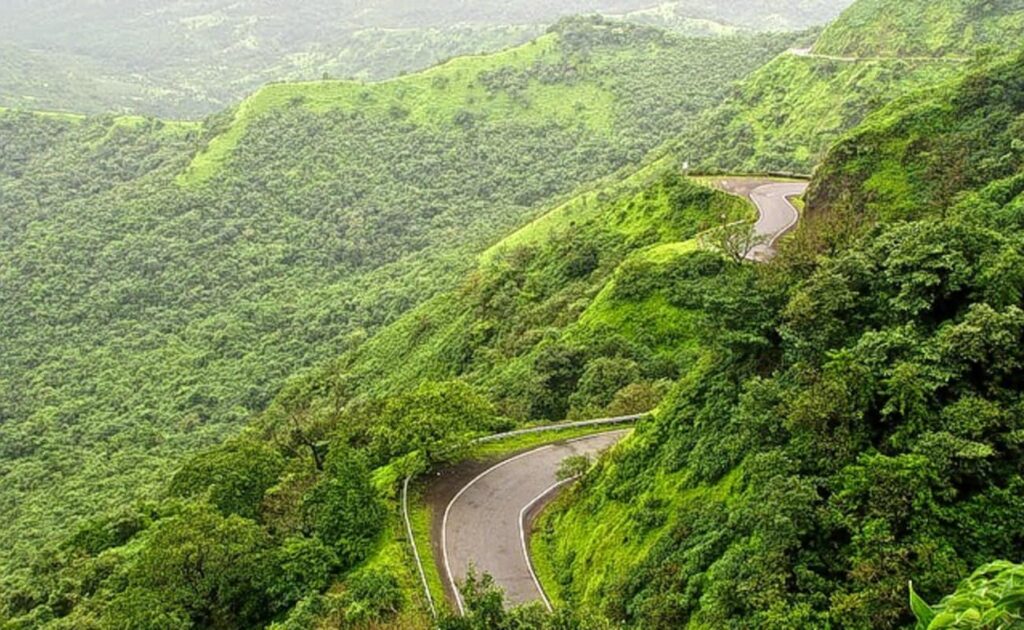
One of the wettest areas in Maharashtra, Amboli receives heavy rainfall that leads to slippery roads and occasional landslides. The narrow curves and sudden drops require drivers to stay alert throughout the journey.
Disclaimer:
The information provided in this article is intended for general awareness and educational purposes only. The descriptions of the mountain passes in Maharashtra, including their risks and hazards, are based on reported incidents and observations. Road conditions, weather, and safety measures can change rapidly, and the risks mentioned may vary accordingly. Travelers, drivers, and adventure seekers are advised to exercise their own judgment, follow all traffic rules, drive cautiously, and take necessary safety precautions when navigating these routes. The author and publisher are not responsible for any accidents, injuries, or losses that may occur while traveling on these mountain passes.