‘109 years to buy a home’: Mumbai real estate puts even the rich on the sidelines
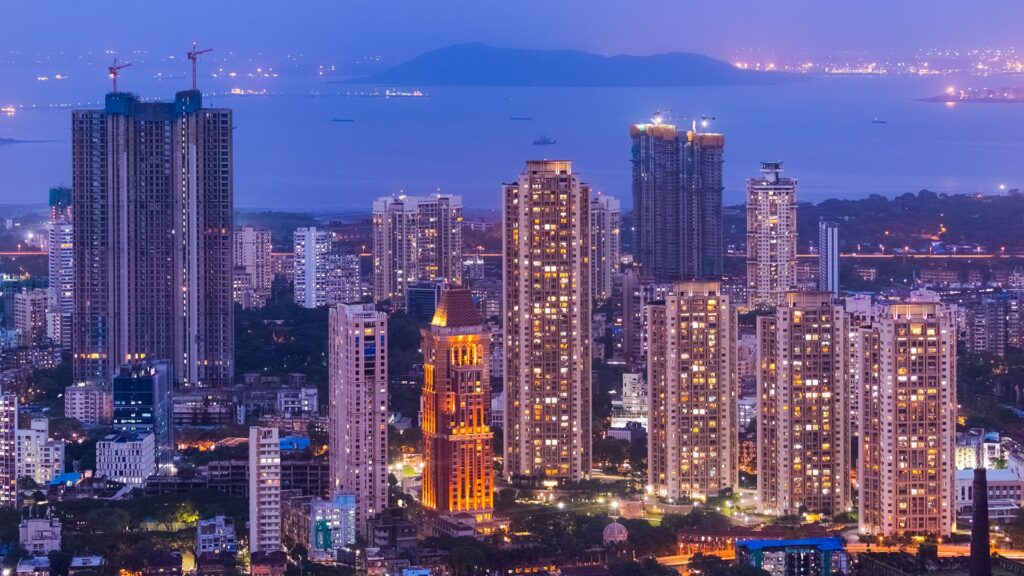
'109 years to buy a home': Mumbai real estate puts even the rich on the sidelines
Top 5% urban earners in Maharashtra would need more than a century of savings to afford an average home in Mumbai, says new data
Mumbai has officially become the least affordable housing market among 21 Indian state and union territory capitals, according to a new report comparing average house prices with household income data. The findings reveal that even the wealthiest urban families in Maharashtra are struggling to meet homeownership goals in the city.
The study estimates that a top 5% earning household in urban Maharashtra would need to save for 109 years to buy an average-sized home of 1,184 sq ft in Mumbai. This projection is based on their annual income and India’s gross savings rate of 30.2%.
Here’s how the math works: the average monthly per capita consumption of this income group is ₹22,352, putting the total monthly income of a four-member household at around ₹89,408 or ₹10.7 lakh annually. Applying the 30.2% national savings rate, this group can set aside approximately ₹3.2 lakh a year.

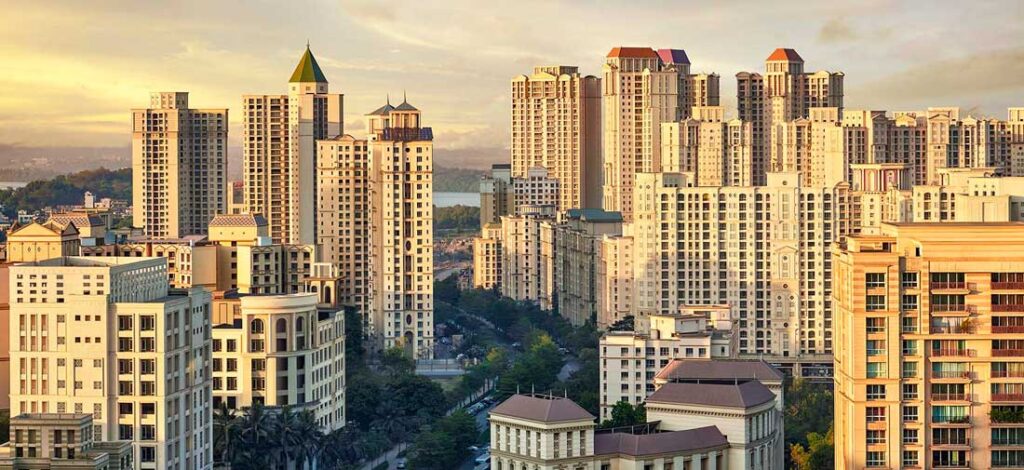
But the cost of a 1,184 sq ft home in Mumbai, at an average price of ₹29,911 per sq ft (as per NHB data in March 2025), comes to over ₹3.5 crore. At ₹3.2 lakh in annual savings, it would take over a century, 109 years to afford such a property.
Other cities are not far behind. The top 5% in Gurgaon would need 64 years of savings to buy a home of the same size. In Bhubaneswar, it’s more than 50 years; in Bengaluru, 36 years; and in Delhi, 35 years. Chandigarh stands out as India’s most affordable capital, where the same income group would need only 15 years of savings to afford a home.
The report underscores how rapidly rising property prices, limited land availability, high population density and unchecked real estate speculation are driving housing out of reach even for the affluent. Experts also point to rising investment trends and infrastructure developments further pushing prices skyward.
In cities like Mumbai, where even renting is becoming unaffordable for many, homeownership is now seen as a privilege of the super-rich. The data serves as a sobering reminder that in urban India, housing remains a luxury not a guarantee even for those at the very top of the income pyramid.
For aspiring homeowners, experts advise a realistic evaluation of one’s income, savings potential, and loan eligibility before making long-term financial decisions in today’s challenging real estate landscape.