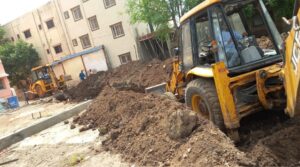
15 Pune Villages Oppose Talegaon–Uruli Kanchan Railway Bypass, Demand Route Change and Warn of Protests Over Land Acquisition
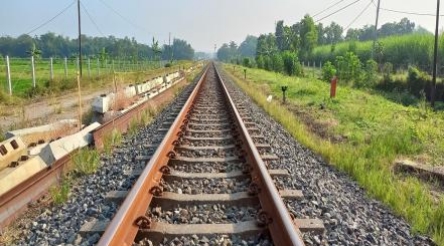
15 Pune Villages Oppose Talegaon–Uruli Kanchan Railway Bypass, Demand Route Change and Warn of Protests Over Land Acquisition
Strong opposition is building up across over fifteen villages in Pune district against the proposed Talegaon–Uruli Kanchan railway bypass line, a project championed by Maharashtra Deputy Chief Minister and Pune Guardian Minister Ajit Pawar. Locals from Kuruli, Dehu Road, and nearby areas have formed joint action committees and are refusing to part with their land, insisting that the planned route must be altered to protect their homes and farms.
About the Project and Its Objective
The proposed bypass line, around 70 to 80 kilometres long, is expected to connect Talegaon Dabhade in Maval tehsil with Uruli Kanchan in Haveli tehsil. The route has been strategically planned to pass through key industrial hubs like Chakan and Ranjangaon, with the intention of decongesting city traffic and improving connectivity between major economic zones around Pune.

The Detailed Project Report (DPR), already submitted to both state and central governments, outlines nine new railway stations—New Talegaon, Varale, Sant Tukaram Maharaj (Dehu), Kuruli, Sant Dnyaneshwar Maharaj (near Alandi), Wagholi, Kolwadi, Kunjirwadi, and Uruli (bypass). Indian Railways officials state that the line will run parallel to Pune’s upcoming Ring Road and will serve as an essential transport corridor for freight and commuters, aiming to reduce congestion in industrial areas and promote balanced regional development.
Villages at the Centre of the Opposition
Residents from Sangurdi, Nighoje, Moi, Kuruli, Rase, Chimbali, Solu, Dhanore, Golegaon, and Alandi in Khed tehsil, along with Indori and Malwadi from Maval tehsil, have collectively submitted their objections to local authorities. Their primary demand is either to cancel the project or reroute the railway line, as the current plan would cut through fertile farmland and residential areas that have already borne the brunt of multiple development projects.
Why Locals Are Protesting the Plan
Villagers argue that the proposed route directly impacts densely populated settlements, particularly in Dehu and Kuruli, where close to 70–80% of the land could be affected. They claim the land survey used for the project was done in 2023 through satellite mapping, when much of the area was still undeveloped. In the past two years, however, rapid industrial expansion around Chakan MIDC has led to the establishment of homes, warehouses, and small businesses—creating a livelihood ecosystem now under threat.
Locals insist the line should be shifted to the opposite side of Chakan, through forest or open land, to minimize displacement. They point out that these areas have already surrendered significant portions of land for major infrastructure projects like the Pune–Nashik Highway, Chakan MIDC, and the Pune Ring Road. Many families also highlight that despite previous promises of employment after land acquisitions, their youth never received the jobs they were assured. In Kuruli, a Dalit settlement located on inherited ancestral land has also made clear it will not allow any takeover, stressing that no financial compensation can replace their emotional and cultural attachment to their property.
Locals Speak Out: “We Will Not Give Our Land Again”
According to Tarkeshwar Kamble, secretary of the Talegaon–Uruli Kanchan Railway Project Opposition Committee, the people have reached a breaking point. He said the residents are not against development, but this project offers them no real benefit and threatens their way of life. He explained that during the earlier surveys, the area looked empty, but it has now transformed into a thriving locality supporting hundreds of families. The community depends on these lands for livelihood, and temporary compensation cannot replace their steady income or the years of work they have invested.
Similarly, Kuruli resident Raju Kamble expressed anger that the promises made during earlier land acquisitions remain unfulfilled. He mentioned that their lands were taken for MIDC and the Ring Road with assurances of employment for the next generation, yet those promises were never kept. He said the new railway line would destroy their homes and farms for a project “that doesn’t serve any pressing need.” The villagers, he added, are planning a series of protests, marches, and meetings with political leaders to make their voices heard and ensure the project is scrapped or rerouted.
Frustration Mounts as Officials Offer Only Assurances
Dehu Gaon resident Sachin Jadhav shared that while villagers have approached several leaders and officials—including Union Minister of State Ramdas Athawale, MPs Dr. Amol Kolhe and Supriya Sule, MLAs Babaji Kamble and Sunil Shelke, and NCP (SP) Chief Sharad Pawar—none of their appeals have led to any tangible action. He said every meeting ends with vague promises such as “we’ll look into it” or “we’ll try to find a solution,” yet the Detailed Project Report still reflects the same disputed route.
Jadhav also raised concerns about the wider impact of such a railway line passing through populated areas, noting that the noise and vibrations from trains could cause health problems, disrupt sleep, and even damage houses and crops. He added that proximity to railway tracks poses safety risks to residents and livestock alike, and that compensation processes are often slow and riddled with bureaucratic delays, leaving displaced families in limbo for years.
Awaiting a Response, Preparing for Next Steps
Despite months of appeals, villagers say they are still waiting for clear communication from Deputy CM Ajit Pawar and Union Railway Minister Ashwini Vaishnaw. They have requested meetings with both leaders and plan to intensify their protests if the government fails to address their concerns. Many residents warn that if officials continue to ignore them, they will escalate their agitation through road blockades, hunger strikes, and large-scale demonstrations.
A senior railway official, speaking anonymously, stated that three alternative routes had been initially examined and that the final decision would be made after considering both public feedback and administrative approval to ensure a route that “balances progress with public interest.”