5 Unlucky Plants You Should Remove from Your Home to Invite Positivity and Good Luck

5 Plants You Should Avoid Keeping At Home, According To Vastu And Feng Shui
Experts believe certain plants may disturb positive energy and affect peace, prosperity, and harmony inside the house
Indoor plants are known for making homes look fresh, beautiful, and peaceful. However, according to Vastu Shastra and Feng Shui, some plants are believed to create negative energy or obstacles in life if kept indoors. Experts say choosing the right plants can help maintain positivity and a better atmosphere at home.
Here are five types of plants that are often considered unlucky for homes.
Artificial Plants Made Of Plastic Or Silk
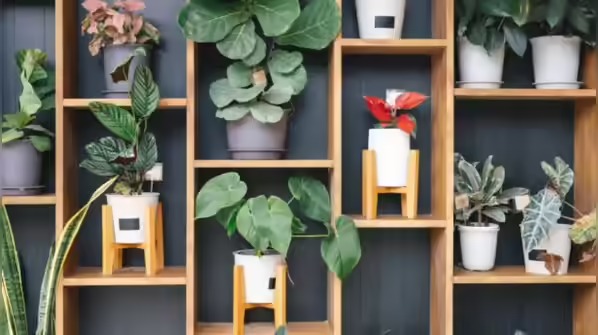
Artificial plants may look attractive and require very little maintenance, but they are not considered as beneficial as real plants. According to spiritual beliefs, they represent artificial or stagnant growth and do not bring natural positive energy into the home.
Over time, dust collects on these decorative plants, making rooms feel dull and lifeless. Experts suggest replacing them with easy-to-maintain real plants such as snake plants or peace lilies.
Dead Or Dying Plants

Dry, damaged, or dying plants are believed to carry negative and stagnant energy. They may symbolize sadness, failure, or lack of progress in life.
Experts recommend removing plants that cannot recover and regularly trimming dead leaves to maintain freshness and positivity inside the house.
Algae Or Moss-Covered Water Plants

Plants kept in water bowls, glass containers, or decorative fountains can sometimes develop algae or moss if not cleaned regularly. According to Vastu and Feng Shui beliefs, this may indicate neglected or stagnant energy.
Experts advise cleaning indoor water features properly and ensuring good water circulation to maintain a healthy environment.
Climbers Growing Directly On Walls
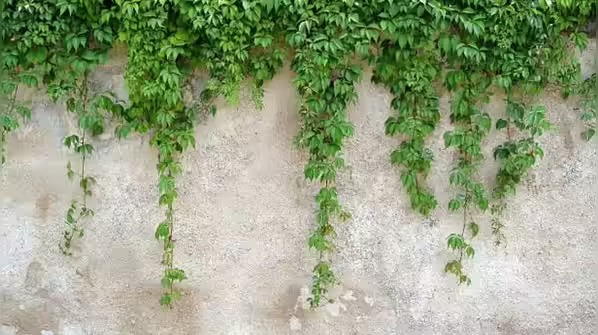
Climbing plants and vines growing directly on house walls are believed to create obstacles and emotional heaviness. They may also cause moisture problems, damage walls, and attract insects.
If people wish to keep climbers at home, experts suggest growing them on separate supports or trellises instead of allowing them to spread across walls.
Plants With Milky Sap

Plants that release white milky sap when cut, including milkweed and certain euphorbia plants, are considered unsuitable for indoor spaces in some traditions. They are believed to increase stress, confusion, or conflict within the household.
Additionally, the sap from these plants may be harmful to children and pets, making them less suitable for homes.
According to Sidhharrth S Kumaar, maintaining healthy and positive surroundings with the right plants can help improve peace, happiness, and overall well-being at home.