Bike Taxis Are Back: New Govt Rules Let Uber & Rapido Operate Freely- Here’s What It Means for You
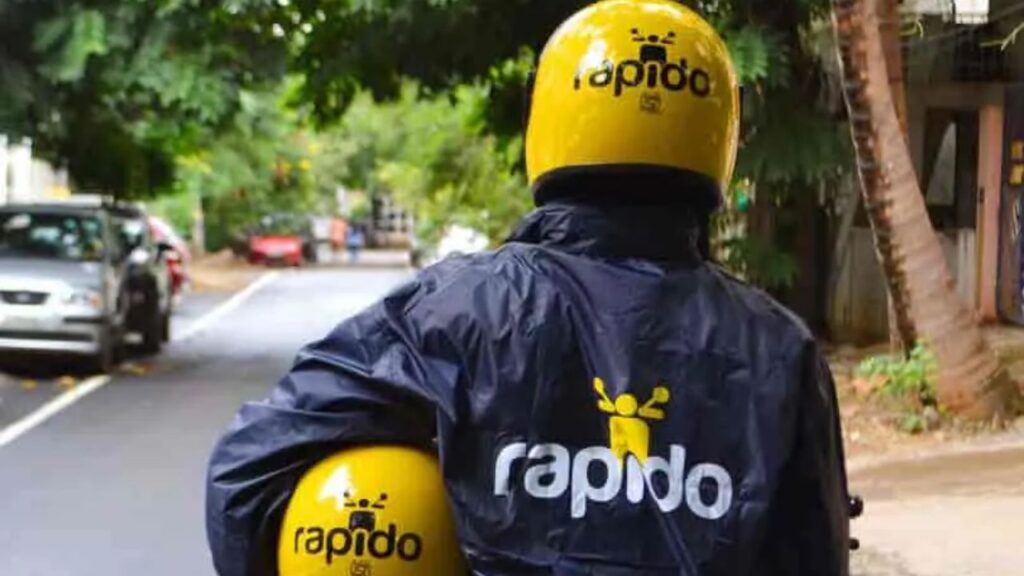
Rapido Fined ₹10 Lakh for Misleading Ads; Regulator Orders Full Refunds to Users
India’s ride-hailing and bike-taxi industry has welcomed the new Motor Vehicle Aggregator Guidelines (MVAG) 2025, released by the Ministry of Road Transport and Highways. The updated framework provides long-awaited regulatory clarity for shared mobility services across the country and officially permits states to allow the use of non-transport (private) motorcycles for passenger rides through aggregator platforms.
Clarity for Shared Mobility Platforms
The MVAG 2025 has been seen as a breakthrough for companies like Uber, Rapido, and others operating in the bike-taxi space. For years, these services have operated in a legal grey zone, especially in states like Karnataka, where a recent ban on bike taxis had sparked protests and growing uncertainty.
With the operationalisation of the new guidelines, the Centre has brought uniformity and structure to the sector. The decision empowers states to permit private motorcycles to be used for passenger transport through aggregator apps, helping formalise this part of the gig economy.

Industry Response: A Step Towards Innovation
Industry players have responded positively to the announcement. Uber called the MVAG 2025 a “forward-looking step toward fostering innovation and regulatory clarity.” The company emphasised the importance of implementation at the state level. “Timely adoption by states will be key to ensuring uniform implementation and building much-needed predictability for all stakeholders. We commend the Ministry for its consultative and balanced approach, and remain committed to working closely with governments at all levels to support effective and inclusive rollout of the framework,” an Uber spokesperson said.
Rapido, another major bike-taxi operator, especially praised Clause 23 of the guidelines, which allows for the aggregation of non-transport motorcycles for passenger rides. The company said the clause marks a significant change in India’s transport landscape. “This clause permits the aggregation of non-transport motorcycles for passenger journeys, a move Rapido described as a ‘milestone in India’s journey towards a Viksit Bharat’.”
The government’s move is expected to boost affordable mobility, especially in underserved and hyperlocal areas. In a statement, Rapido highlighted the larger impact of the decision. “Motorcycles as a means of shared mobility, the Government has opened the door to more affordable transportation options for millions, especially in underserved and hyperlocal areas…the move will also help address pressing challenges such as traffic congestion and vehicular pollution, while expanding the reach of last-mile connectivity and hyperlocal delivery services.”
Apart from easing travel, the guidelines are expected to create employment opportunities for lakhs of gig workers. Rapido added, “The policy shift will act as a catalyst for creating lakhs of flexible livelihood opportunities for riders across urban and rural India, promote shared and low-emission transport in line with India’s climate commitments and formalise the gig economy with technology-backed platforms and regulatory support.”
A Path Forward
As India moves towards embracing low-emission, tech-driven, and shared mobility options, MVAG 2025 provides the legal structure necessary for the industry to grow sustainably. While the central government has made its stance clear, the final step lies in state-level adoption. As states begin implementing these rules, India’s shared mobility future may become more inclusive, accessible, and climate-conscious.