Diwali 2025: Why You Should Buy Patasha & Cheeni ke Khilone for Lakshmi Puja – Their Spiritual Significance Explained

Diwali 2025: Why You Should Buy Patasha & Cheeni ke Khilone for Lakshmi Puja – Their Spiritual Significance Explained
Diwali, also known as Deepawali, is one of India’s most celebrated and spiritually significant festivals. Known as the Festival of Lights, it symbolizes the triumph of light over darkness, knowledge over ignorance, and good over evil. This year, Diwali will be celebrated on October 20, 2025, which falls on the Amavasya (new moon) of the Kartik month in the Hindu lunar calendar—considered the darkest and most auspicious night of the year.
On this day, millions of families worship Maa Lakshmi—the goddess of wealth and prosperity—and Lord Ganesha, the remover of obstacles. The rituals of the day include lighting diyas, decorating homes, wearing new clothes, and offering sweets. But two traditional offerings that often go unnoticed in their deeper spiritual meaning are Patasha (sugar puffs) and Cheeni ke Khilone (sugar toys). While these items may appear simple or even decorative, they hold powerful significance in the Lakshmi-Ganesh Puja.
A Return to Tradition in 2025: What the Stars Say

This year’s planetary alignment carries a message that aligns beautifully with the theme of Diwali. As Saturn moves through Pisces, a sign governed by Jupiter, and Jupiter finds exaltation in Cancer, the spiritual energy encourages us to reconnect with authentic, age-old traditions.
According to Sidhharrth S Kumaar, Chief Astrologer at NumroVani, this Diwali is an opportunity to honor rituals in their original form.
“Each offering that’s part of Diwali traditions carries deep meaning. These aren’t just symbolic—they’re spiritually energetic. In 2025, the planetary setup is telling us to go back to our roots. Patasha and Cheeni ke Khilone are not just sweets—they’re tools for invoking divine grace.”
What is Patasha and Why is it Offered?
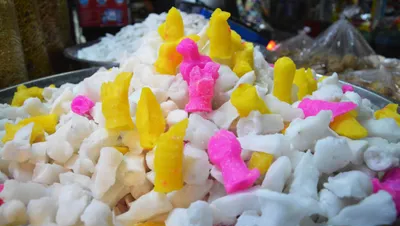
Patasha are small, white, sugar-based balls that are commonly distributed as prasad in temples. But their presence in Diwali Puja goes far beyond their sweet taste. They symbolize:
Purity of heart and thoughts
Kindness in words and deeds
Spiritual sincerity and honesty
In Hindu customs, the color white stands for cleanliness, peace, and purity. Offering Patasha to Goddess Lakshmi and Lord Ganesha during Diwali is believed to bring not only material abundance but also emotional balance, improved relationships, and domestic harmony.

According to tradition, devotees should:
Choose bright white, clean, and fresh Patasha
Avoid ones that are dull, yellowed, sticky, or old
These seemingly small details matter. Old or impure Patasha could symbolically bring stagnation or impurities into what should be a clean, sacred space. Pure white Patasha reflect an honest and open heart—qualities that invite Maa Lakshmi’s blessings.
Beyond their physical form, Patasha represent sweetness in life—not just through taste, but through daily acts of kindness, gratitude, and humility. The simple act of offering them is also a reminder that spiritual devotion doesn’t require extravagance; it requires sincerity.
Cheeni ke Khilone: More Than Just Festive Toys
Cheeni ke Khilone, or sugar toys, are intricately crafted figurines made from pure sugar. These are usually shaped into meaningful forms such as animals, temples, diyas, and even miniature idols of deities. While they’re colorful and eye-catching, they are far from just decorative.
These toys are often made by skilled artisans using traditional techniques, and each form carries spiritual symbolism:
Elephants represent strength, wisdom, and loyalty—qualities associated with Lord Ganesha.
Diyas symbolize enlightenment, knowledge, and the victory of good over evil.
Parrots stand for communication, joy, and vibrant life energy.
Lotus flowers symbolize purity, spiritual awakening, and divine beauty.
Including these sugar figurines in your Diwali Puja is believed to please the deities and bring spiritual and material rewards. They’re often kept on the puja thali as part of the offering and later distributed as prasad among family and guests, spreading happiness and a sense of shared celebration.

Why Handmade Matters
Traditionally, Cheeni ke Khilone were made with care, using only pure sugar and natural colors. Today, mass production has led to versions that may contain artificial dyes or lose the sacred symbolism in their design. However, spiritualists and cultural experts recommend sticking to handcrafted pieces, as they retain:
The artisan’s intent and devotion
Symbolic purity and vibrational energy
Cultural richness passed down through generations
Which Ones to Pick: A Quick Guide
While buying Patasha and Cheeni ke Khilone, a few things are worth keeping in mind to maintain the sanctity of the ritual:
For Patasha:
• Select only fresh, dry, and bright white ones.
• Avoid anything that looks dull, sticky, or discolored, as they are not suitable for worship.
For Cheeni ke Khilone:
Choose handmade, artisan-crafted figures with traditional shapes such as elephants, birds, lotuses, diyas, or deities.
• Ensure the use of natural colors and pure sugar.
• Avoid mass-produced or chemically colored pieces, as they lack both the aesthetic and spiritual integrity of traditional versions.
• Making thoughtful choices while buying these items adds spiritual depth to your celebration and honors the cultural essence of Diwali.
Diwali is much more than lights, sweets, and new clothes—it’s a sacred opportunity to align ourselves with purity, grace, and divine energy. In 2025, as the stars guide us toward introspection and tradition, incorporating humble offerings like Patasha and Cheeni ke Khilone into your Diwali rituals can elevate your connection with the divine.
These offerings teach us that devotion isn’t always loud or luxurious. Sometimes, the purest blessings come from the simplest actions—like choosing clean sugar puffs to symbolize a clean heart, or selecting sugar toys that carry the imprint of faith, care, and cultural love.