India’s New Growth Hubs: Top 10 Districts by GDP per Capita
India’s New Growth Hubs: Top 10 Districts by GDP per Capita
India’s economic landscape is shifting, and it’s not just the major metros driving the growth anymore. The latest Economic Survey 2024–25 has revealed a new list of India’s richest districts by GDP per capita, with Telangana’s Rangareddy district taking the top spot. What once stood quietly in the shadow of Hyderabad has now emerged as a symbol of modern urban expansion and economic transformation.
According to the report, Rangareddy has achieved a GDP per capita of approximately ₹11.46 lakh, making it the wealthiest district in the country. The district’s meteoric rise is powered by its thriving IT parks, biotechnology and pharmaceutical industries, and seamless connectivity with the capital city. Experts say it’s a textbook example of how metropolitan spillovers can uplift surrounding regions and reshape local economies.
Top 10 Richest Districts in India (GDP per capita, 2024–25)

1. Rangareddy, Telangana — ₹11.46 lakh
Rangareddy beautifully blends modern infrastructure with natural charm. From the peaceful waters of Osman Sagar Lake to the lush Ananthagiri Hills, the district offers a refreshing contrast to its booming corporate environment. Its success mirrors the perfect balance of urban innovation and rural serenity.
2. Gurugram (Gurgaon), Haryana — ₹9.05 lakh
Gurugram continues to thrive as one of India’s prime business destinations. Its skyline of glass towers and luxury malls reflects its corporate pulse, while the nearby Sultanpur National Park offers a tranquil escape, especially for birdwatchers during the winter migration season.
3. Bengaluru Urban, Karnataka — ₹8.93 lakh
Often hailed as India’s “Silicon Valley,” Bengaluru stands as a vibrant fusion of tech culture and greenery. From the charm of Cubbon Park to sunrise treks at Nandi Hills, the city manages to combine the buzz of innovation with the calm of nature.
4. Gautam Buddh Nagar (Noida), Uttar Pradesh — ₹8.48 lakh
Noida’s futuristic skyline and smart infrastructure have made it one of India’s fastest-growing urban hubs. Visitors can enjoy the thrills of Worlds of Wonder, relax at the Okhla Bird Sanctuary, or shop at its many world-class malls.
5. Solan, Himachal Pradesh — ₹8.10 lakh
Nestled in the Himalayas, Solan is known for its serene atmosphere and natural beauty. Popularly called the “Mushroom City of India,” it draws both spiritual seekers and nature lovers with sites like Karol Tibba and Shoolini Mata Temple.
6. North & South Goa — ₹7.63 lakh
The twin districts of Goa continue to enchant with their timeless appeal. North Goa buzzes with beach parties and nightlife, while South Goa provides quiet beaches and scenic getaways, making it a perfect blend of vibrancy and peace.
7. Sikkim (Gangtok, Namchi, Mangan & Gyalshing)
Sikkim’s districts collectively reflect the state’s prosperity, wrapped in Himalayan beauty. With snow-covered peaks, ancient monasteries, and warm homestays, it is a paradise for travelers. Attractions like Tsomgo Lake and Nathula Pass remain must-visits for anyone exploring the region.
8. Dakshina Kannada (Mangalore), Karnataka — ₹6.69 lakh
Mangalore’s charm lies in its mix of history, spirituality, and coastal bliss. With landmarks such as St. Aloysius Chapel and Panambur Beach, it offers a window into a culture that blends Portuguese, Tulu, and Konkani influences.
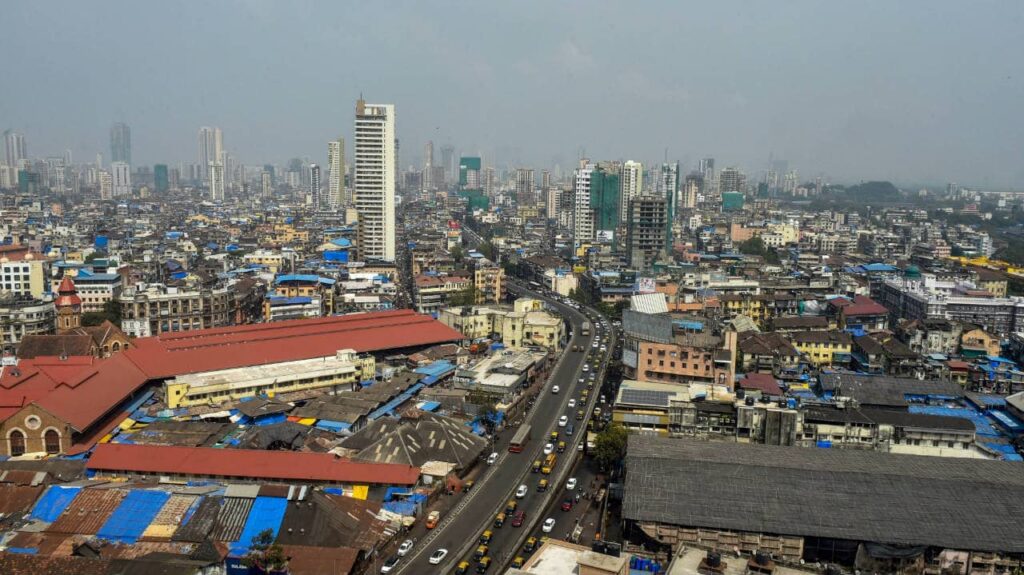
9. Mumbai, Maharashtra — ₹6.57 lakh
India’s financial capital continues to be a powerhouse of opportunity. From the architectural marvel of Chhatrapati Shivaji Terminus to the golden sunsets at Marine Drive, Mumbai embodies energy, diversity, and ambition. It remains the city that never stops moving.
10. Ahmedabad, Gujarat — ₹6.54 lakh
Recognized as India’s first UNESCO World Heritage City, Ahmedabad showcases a unique mix of history and progress. The Sabarmati Riverfront, Mughal-era mosques, and modern art galleries together narrate the story of a city that bridges India’s glorious past with its promising future.
Disclaimer: The figures and rankings mentioned in this article are based on data and reports available from the Economic Survey 2024–25 and various credible media sources.