Mumbai Launches ‘Paatal Lok’ Tunnel Network To Ease Traffic Woes; Faster, Safer and more Predictable Travel
Mumbai Launches ‘Paatal Lok’ Tunnel Network To Ease Traffic Woes; Faster, Safer and more Predictable Travel
The 70-km underground system aims to create a parallel road network that could lift average city speeds to 80 kmph.
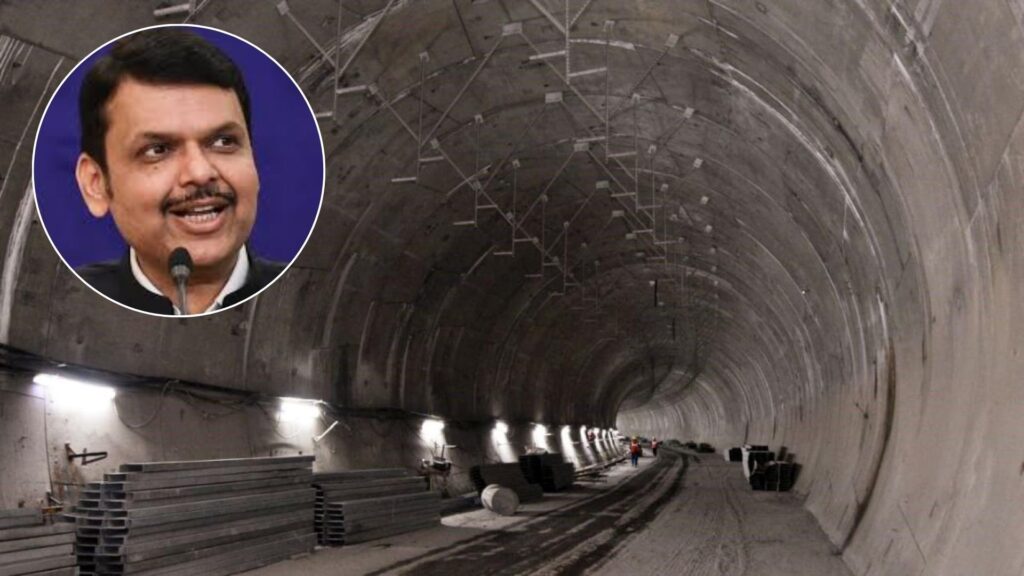
Mumbai is preparing for one of its most ambitious transport upgrades with the launch of the ‘Paatal Lok’ tunnel network, a 70-kilometre system designed to ease decades of traffic congestion. The announcement was made by Maharashtra Chief Minister Devendra Fadnavis during a public interaction, where he described the project as a transformative solution that will function like a parallel road system beneath the city.
According to the plan, vehicles will be able to travel at speeds of up to 80 km per hour inside these tunnels, a stark contrast to Mumbai’s current peak-hour average of 15–20 kmph. Officials expect the project to fundamentally change how commuters travel across the city over the next seven years.
The tunnel network will be built in three phases. The first phase includes a 16-kilometre loop that links the Worli Sea Link, the Bandra-Kurla Complex, and the airport. This section is expected to significantly shorten travel times for the core business district, airport traffic, and western suburbs. The next phase will introduce a 10-kilometre east-west corridor connecting the Eastern Express Highway and Western Express Highway, enabling faster cross-city movement. The final and most extensive phase is a 44-kilometre north-south tunnel that will run across Mumbai’s length and support long-distance inter-suburb connectivity.

Several important sections are already in progress. The tunnel from Atal Setu to Girgaon Chowpatty is expected within three years, while the nearly 12-kilometre Thane–Borivali twin tunnel is under construction and projected to slash the current 90-minute journey to roughly 15 minutes. The Chief Minister noted that nearly 60 percent of Mumbai’s traffic moves along the Western Express Highway and reducing that load is critical for the city’s long-term mobility.
He added that once the Bandra to BKC tunnel is complete, travel from south Mumbai to the domestic airport could take as little as 20 minutes. Officials believe the project will not only reduce congestion but also help cut fuel consumption, emissions, and stress on the city’s overburdened roads.
The overall project will be overseen by the Mumbai Metropolitan Region Development Authority. Costs are expected to run into several thousand crores, supported by a mix of state and central funding, international financing, and possible public-private partnerships. Most major components are projected to be completed by 2032.
With rising vehicle density and limited road expansion options on the surface, authorities say underground mobility is the only sustainable option for Mumbai. The tunnels are designed with modern safety features, high-speed ventilation, emergency exits, and sensors to monitor vehicle flow.
The ‘Paatal Lok’ network marks a shift in how Mumbai plans for the future. If executed on schedule, the city could see faster, safer and more predictable travel, significantly improving daily life for millions of commuters.