Real Estate 2026: Not Metro Cities, These Emerging Corridors May Become the Next Big Property Hotspots
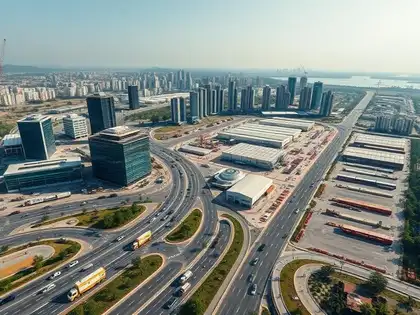
Real Estate 2026: Not Metro Cities, These Emerging Corridors May Become the Next Big Property Hotspots ( Representative Image )
Infrastructure-led growth, better connectivity, and changing buyer preferences are set to reshape India’s real estate map beyond traditional metros.
India’s real estate landscape is poised for a significant shift in 2026, with growth no longer concentrated only in established metro cities such as Mumbai, Bengaluru, Pune, or Nagpur. According to Colliers’ 2026 Outlook and the Colliers–CII Indian Real Estate 2047 report, the next phase of property expansion will be driven by emerging corridors and fringe areas located outside mainstream city limits, powered by rapid infrastructure development and changing lifestyle choices.
Over the past decade, major cities have seen intense urbanisation, driven by employment opportunities, corporate expansion, and large-scale infrastructure projects. This growth, however, has come at a cost. In cities like Mumbai, smaller neighbourhoods have given way to high-rise developments, with housing prices soaring into the crore range, placing home ownership beyond the reach of many middle-income buyers. As affordability pressures mounted, demand gradually began shifting outward.
The Colliers outlook suggests that 2026 could mark a turning point, where real estate opportunities expand meaningfully into outer suburbs and emerging urban belts. These areas, described as “fringe areas” or “future corridors” in the report, are benefiting from new highways, expressways, metro extensions, ring roads, and improved rail and airport connectivity. As a result, the functional boundaries of cities are expanding, blurring the traditional distinction between city centres and suburbs.

One key behavioural change highlighted in the report is the growing willingness of homebuyers to commute slightly longer. Buyers are increasingly comfortable travelling 15 to 20 minutes more if it allows access to larger homes, open spaces, and better overall living conditions. This shift has strengthened demand for developments outside crowded city cores.
Affordability plays a central role in this transition. While compact homes in major cities often cost several crores, buyers can access larger apartments, villas, or well-planned townships at similar price points in peripheral areas. Colliers notes that gated communities are becoming a preferred choice, particularly among families seeking a better quality of life.
Such gated developments typically offer integrated amenities including clubhouses, swimming pools, landscaped parks, pedestrian-friendly walkways for senior citizens, and reliable water and power supply. Space constraints within city limits often make such projects unviable, whereas outskirts provide the scale needed for comprehensive planning.
From an investment perspective, Colliers expects these emerging corridors to deliver strong returns. Property prices in areas located a short distance from major cities are projected to grow faster than those within saturated urban centres. Demand is also being supported by rising employment opportunities as businesses expand operations beyond metros.
Specific locations identified as having strong potential include New Gurugram in the Delhi-NCR region, as well as Ulwe, Panvel, Karanjade, and Virar near Mumbai. These micro-markets are benefiting from metro rail links, highway access, and proximity to economic hubs.
Beyond residential real estate, the report points to opportunities across commercial and alternative asset classes. Colliers India estimates that office buildings over 10 years old, covering more than 350 million square feet, offer retrofitting potential exceeding ₹425 billion. Office demand remained strong in 2025, led by technology firms, BFSI players, engineering companies, and flexible workspace operators seeking high-quality offices.
Industrial and warehousing segments, along with emerging assets such as data centres and co-living spaces, are also seeing steady growth. These trends are being reinforced by logistics upgrades, digital adoption, and sustained interest from institutional investors, including in Tier-II and Tier-III cities.
India’s demographic profile further supports long-term housing demand. With a median age of around 30, the country continues to see demand from first-time homebuyers as well as high-net-worth individuals. Lifestyle-led preferences are expected to drive interest in plotted developments, gated villas, premium apartments, and even vacation homes.
According to Colliers, property prices in these smaller and emerging cities could rise by 10–15 per cent annually, supported by improved infrastructure and targeted expansion by reputed developers. As a result, 2026 may redefine where and how India invests in real estate, shifting the spotlight firmly beyond traditional metros.
Disclaimer: This article is for informational purposes only and does not constitute investment advice. Property markets are subject to risks, and readers should conduct their own research or consult qualified professionals before making investment decisions.