Ash Immersion Ritual Uncovers Severe Pollution In Neera River And Veer Bhatghar Backwaters; NGT Pune Forwards Case To New Delhi Bench
Ash Immersion Ritual Uncovers Severe Pollution In Neera River And Veer Bhatghar Backwaters; NGT Pune Forwards Case To New Delhi Bench
Pune, February 19, 2026: The National Green Tribunal (NGT), Western Zone Bench, Pune, has formally forwarded a petition highlighting severe water pollution in the Neera River and the backwater regions of the Veer and Bhatghar dams to the Public Grievance Department of the NGT’s Principal Bench in New Delhi for further action.
The petition, submitted by environmental activist Jaymala Dhankikar, raises serious concerns over large-scale pollution in the Neera River and the backwaters of Veer Dam and Bhatghar Dam, particularly in areas surrounding Sarola village in Satara district. The grievance alleges continuous discharge of untreated sewage and industrial effluents into the water bodies, resulting in foul-smelling, toxic, and visibly contaminated water.
According to the petition, the pollution poses a serious threat to public health, agriculture, livestock, and the local aquatic ecosystem. Residents in nearby villages are reportedly being exposed to contaminated water used for irrigation and daily activities, raising concerns over long-term health risks. The complaint also highlights damage to crops, risks to cattle dependent on river and backwater sources, and the destruction of aquatic life due to increasing toxicity levels.

The forwarding letter, issued by Shardaprasad S. Oza, Registrar of the NGT Western Zone Bench, Pune, states that the matter has been sent to the Principal Bench in accordance with the Chairperson’s Standing Office Orders and the legal principles laid down by the Hon’ble Supreme Court in the MCGM vs. Ankita Sinha case. The communication notes that the petition has been forwarded “for necessary information and action, if any, as per Rules.”
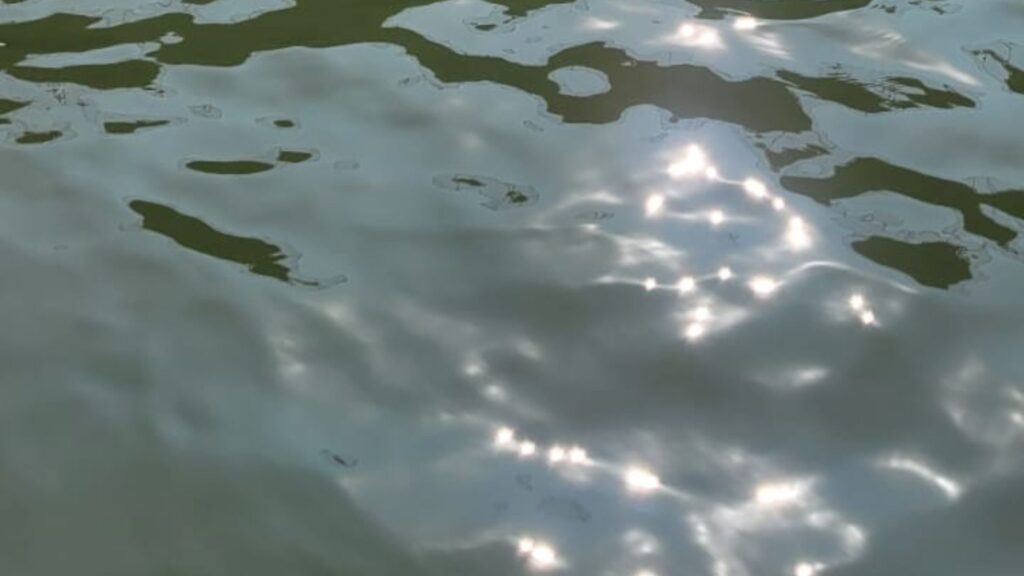
Photographic evidence documenting the pollution, including images of dark, contaminated water and sewage discharge points, has been annexed to the petition and submitted as part of the official record.
The applicant has also been formally informed about the legal procedure to pursue the matter further. As per the communication, if Dhankikar wishes to continue the case as an Original Application (O.A.), she must file it under the provisions of the National Green Tribunal Act, 2010, and the NGT (Practice and Procedure) Rules, 2011, through the official NGT online portal, along with payment of the prescribed court fees and printing charges.
Environmental experts and activists have welcomed the forwarding of the petition, calling it an important step towards accountability and regulatory action. They have stressed that pollution in rivers and dam backwaters not only affects local communities but also poses long-term ecological risks, particularly in regions dependent on river systems for irrigation and drinking water supply.
The Neera River and the Veer–Bhatghar dam backwaters are vital water sources for several villages in the Satara region. Any sustained contamination, activists warn, could lead to irreversible environmental damage and serious public health consequences.
With the petition now before the Principal Bench in New Delhi, further scrutiny and possible directions from the NGT are expected in the coming weeks, raising hopes for regulatory intervention and concrete remedial action to address the growing water pollution crisis in the region.