Alphonso Mango Production Drops 60–70%, Prices Set to Surge Ahead of Gudi Padwa
Alphonso Mango Production Drops 60–70%, Prices Set to Surge Ahead of Gudi Padwa
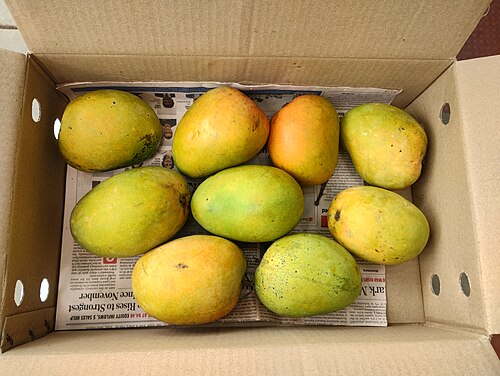
Festive shopping for mango lovers may come with a shock this year, as the prized Alphonso variety is expected to be both scarce and expensive. Growers and traders across Maharashtra’s Konkan belt are witnessing one of the most difficult seasons in recent memory, with production taking a steep hit.
Estimates suggest that Alphonso output has fallen by nearly 60 to 70 percent compared to previous years. A combination of erratic weather patterns, unseasonal rainfall, and pest attacks has created serious challenges for orchard owners, raising concerns about limited availability during the upcoming Gudi Padwa festival.
Higher-than-usual rainfall in the Konkan region earlier in the season led to prolonged soil moisture. Districts such as Raigad, Ratnagiri, and Sindhudurg experienced cooler weather until October, which initially encouraged abundant flowering in mango orchards. This early development had raised hopes for a strong harvest. However, conditions soon turned unfavorable. Sudden temperature fluctuations and persistent humidity disrupted the flowering stage, leading to poor fruit set. A significant portion of the blossoms failed to convert into healthy fruit, resulting in lower-than-expected yields.

The situation worsened with the widespread presence of pests like thrips and hoppers. These insects attack delicate flowers and young fruits, causing them to fall prematurely, limiting growth, and affecting overall quality. In many orchards, fruits that initially appeared promising could not survive through the season. As a result, farmers are now reporting that only 30 to 40 percent of the usual production has been achieved.
Reduced output has also disturbed the financial planning of growers. Many orchard owners have cut back on hiring traditional guards, including workers from Nepal, as costs for labor, pest control, and maintenance continue to rise. Despite these expenses, the disappointing yield has increased economic pressure on farmers.
Weather conditions in recent weeks have added to the difficulties. Light rains during February and March, along with high humidity levels, have impacted the remaining fruits. In certain areas, sudden heatwaves have also led to fruit drop, according to farmer Mandar Kadam from Gavkhadi in Ratnagiri.
Market arrivals reflect the severity of the situation. During the same period last year, Pune’s Market Yard used to receive around 2,000 to 3,000 boxes of Alphonso mangoes daily between March 10 and 15. This year, arrivals have dropped drastically to just 150 to 200 boxes per day.
With Gudi Padwa set to be celebrated on March 19, demand for ripe mangoes is expected to rise sharply. However, limited supply is likely to push prices even higher. Traders indicate that rates will remain strong in the coming days, although a slight increase in arrivals is anticipated later. Mango trader Satish Joshi noted that production has fallen to nearly one-third of normal levels due to weather changes and pest issues, suggesting that high prices are inevitable this season.
Such a severe shortage has not been seen in the past two decades, according to market observers. During the festive period, Alphonso mango prices could range between ₹2,500 and ₹4,000 per dozen. For comparison, last year’s prices were around ₹6,000 per box.