No LPG If You Refuse PNG? Government’s Big Push For Piped Gas Explained
No LPG If You Refuse PNG? Government’s Big Push For Piped Gas Explained
New rule mandates households to switch to PNG where available, with LPG supply set to stop after three months of non-compliance
In a major shift in India’s cooking fuel policy, the government has directed households to switch to piped natural gas (PNG) wherever the facility is available, warning that LPG supply may be discontinued if consumers fail to comply within a specified period.
Under the new pipeline order notified on March 24, households that do not opt for PNG despite availability could see their LPG supply stopped after three months from the date of official communication. The move is part of a broader effort to strengthen energy security and reduce dependence on LPG amid global supply disruptions.
The decision comes at a time when India is facing pressure on LPG supplies due to geopolitical tensions in West Asia, which have disrupted key energy routes. By shifting consumers in urban areas to PNG, authorities aim to divert limited LPG resources to regions where pipeline connectivity is not yet available.

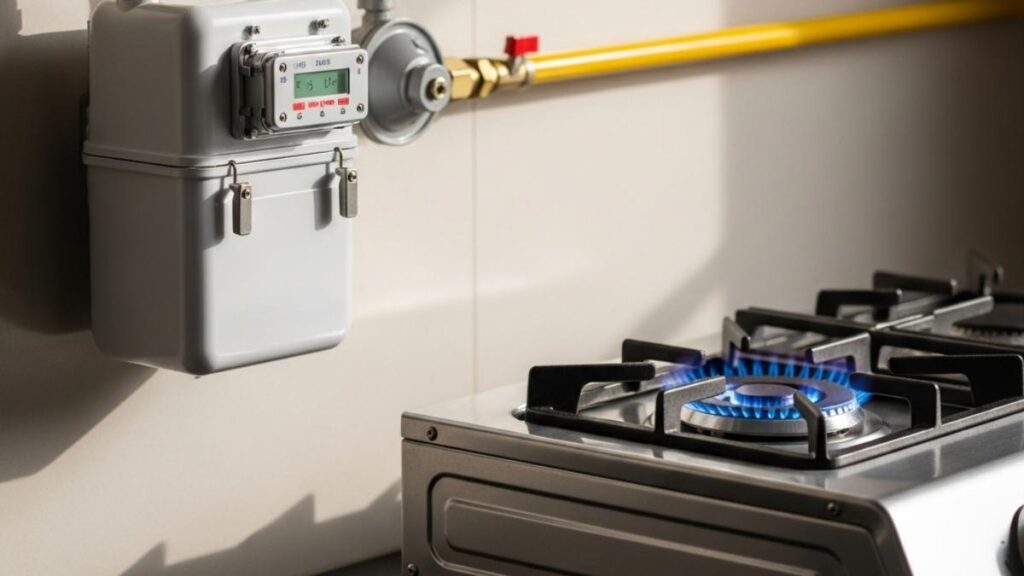
PNG is considered a more convenient alternative as it provides a continuous supply of gas directly through pipelines, eliminating the need for cylinder bookings and refills. The government is also pushing for faster expansion of city gas distribution networks to ensure wider access.
The new framework makes it mandatory for housing societies and residential complexes to allow pipeline installation. Authorities controlling access must grant permission within three working days, and connections are expected to be provided within 48 hours in many cases.
If access is denied or delayed, officials have the power to intervene and grant approvals, with provisions similar to those of a civil court to resolve disputes. Public authorities have also been directed to provide clearances within fixed timelines, failing which approvals will be automatically deemed granted.
However, there are safeguards for consumers. LPG supply will not be discontinued if it is technically not feasible to provide a PNG connection. In such cases, a no-objection certificate (NOC) can be issued, allowing households to continue using LPG.
The reform also standardises charges and simplifies the approval process for laying pipelines, aiming to accelerate infrastructure development across cities. Companies have been given strict timelines to begin pipeline work, failing which penalties may apply.
Officials have described the move as an attempt to turn the current energy crisis into an opportunity by promoting fuel diversification and ensuring more stable supply systems in the long term.
For households, the message is clear: if PNG is available in your area, switching may soon become not just an option, but a requirement.