Which Indoor Plants Bring Positive Vibes? A Look at Their Traditional Symbolism
Which Indoor Plants Bring Positive Vibes? A Look at Their Traditional Symbolism
Indoor plants do more than enhance the appearance of a home. Across different cultures and traditions, many plants are believed to influence the energy and atmosphere of living spaces. Beyond their aesthetic appeal, healthy indoor plants can help reduce stress, improve mood, and create a more welcoming environment.
Indoor Plants Associated With Positivity
Money Plant
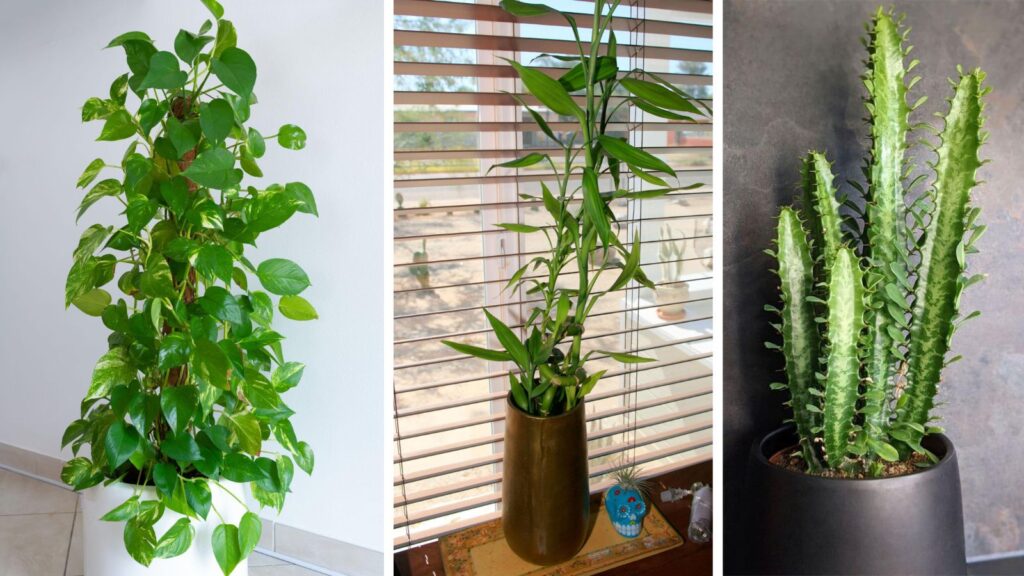
One of the most popular indoor plants, the Money Plant is widely believed to attract wealth, prosperity, and financial stability. Its vibrant green leaves are often seen as a symbol of growth and abundance, making it a common choice for homes and workplaces.
Lucky Bamboo
Lucky Bamboo is known for its association with good fortune, success, and harmony. According to traditional beliefs, the number of bamboo stalks carries specific meanings related to happiness, health, wealth, and prosperity.
Peace Lily
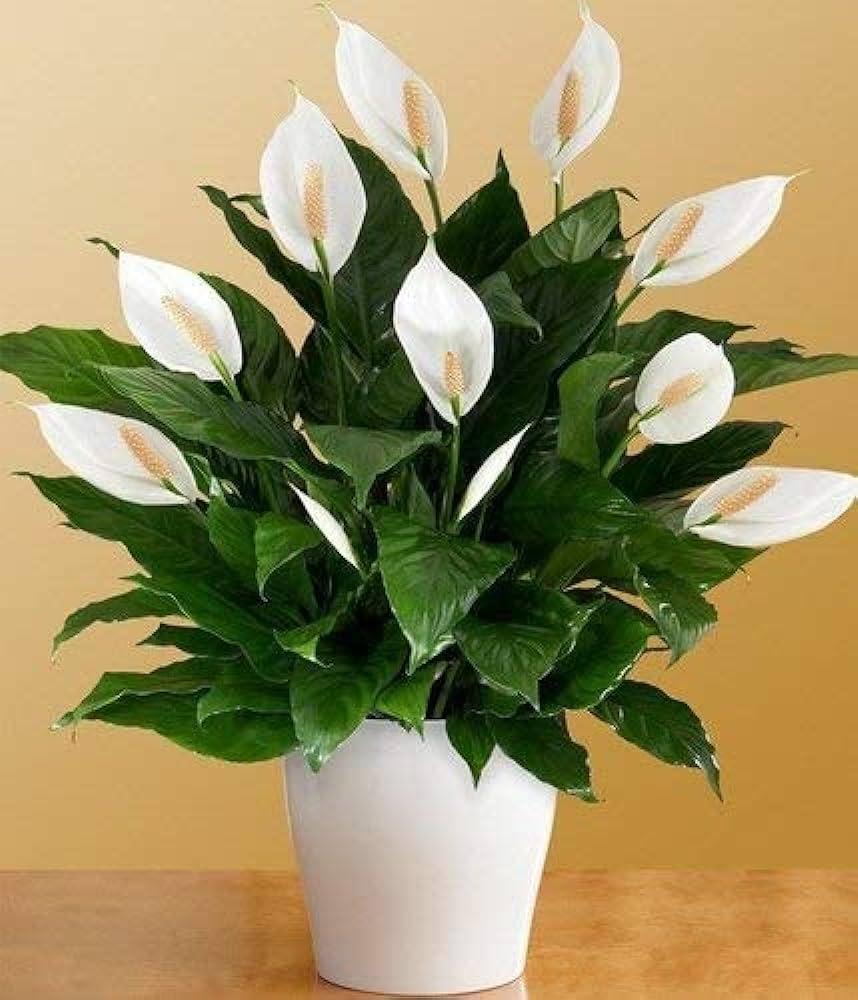
Recognised for its elegant white blooms, the Peace Lily is often linked to peace, emotional balance, and tranquillity. It is also valued for its ability to help improve indoor air quality, making it both a decorative and functional addition to homes.
Tulsi (Holy Basil)
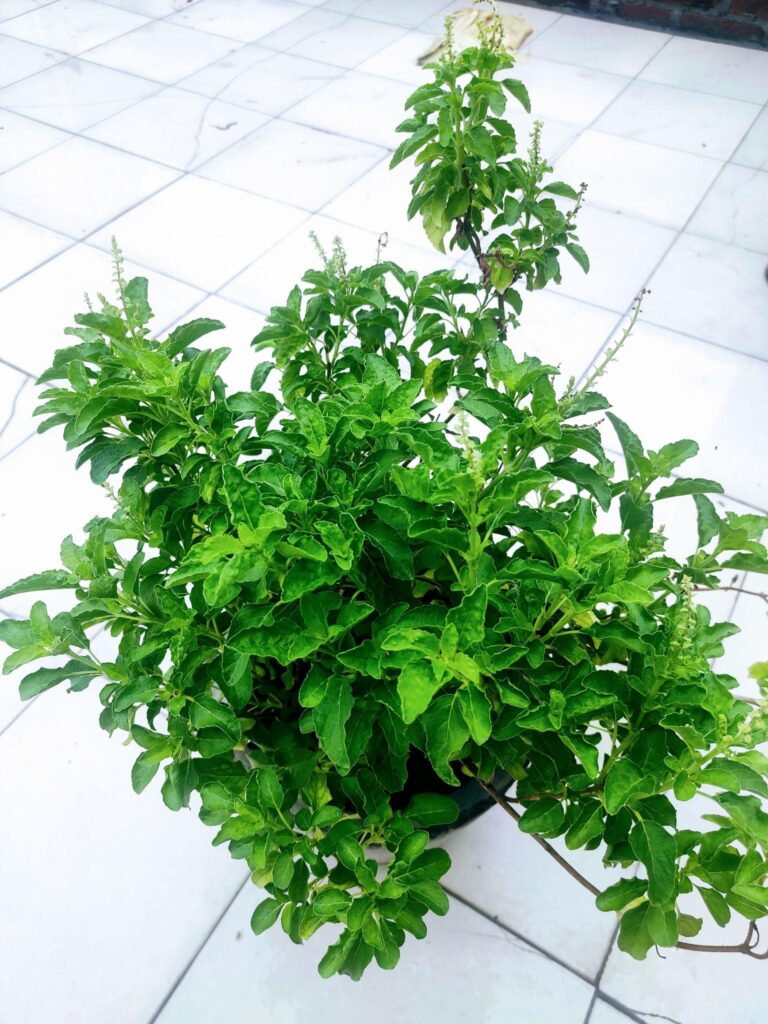
Tulsi holds a special place in many Indian households and is considered sacred in Hindu traditions. It is associated with purity, positivity, spiritual well-being, and protection. Many families maintain a Tulsi plant as a symbol of blessings and good fortune.
Jade Plant
Often called the “money tree,” the Jade Plant is believed to attract prosperity and luck. Its thick, round leaves resemble coins, which is why it is frequently kept in homes and businesses as a symbol of financial success.
Plants Often Viewed With Caution
While most indoor plants are appreciated for their beauty and benefits, some are viewed less favourably in traditional beliefs.
Cactus Plants
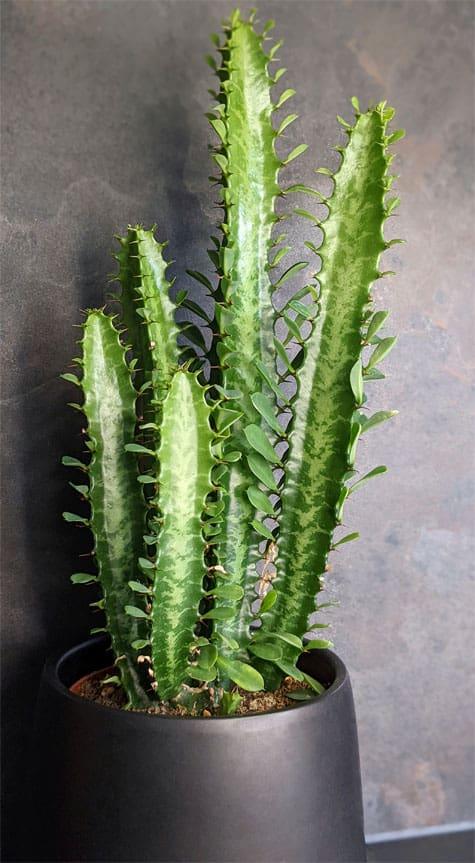
Despite being popular for their low-maintenance nature, cactus plants are often considered unsuitable for indoor spaces by some traditions due to their sharp thorns, which are believed to disrupt positive energy.
Thorny Euphorbia Varieties
Certain thorny Euphorbia plants are also avoided indoors by those who follow traditional beliefs. Their sharp features are thought to be associated with negative or unsettled energy.
Dead or Withered Plants
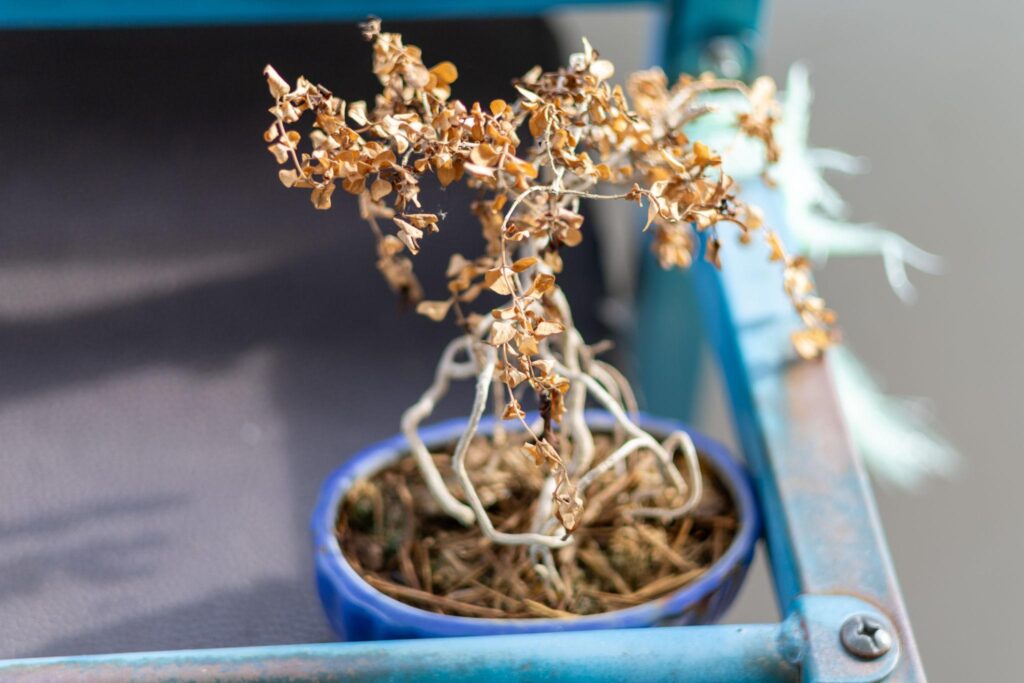
Many traditions discourage keeping dried, dead, or unhealthy plants inside the home. Such plants are believed to symbolise stagnation, neglect, and decline. Maintaining healthy and thriving plants is often considered more important than the specific type of plant itself.
Whether chosen for their symbolism, beauty, or practical benefits, indoor plants continue to play an important role in creating peaceful, vibrant, and inviting living spaces.