LPG And PNG At Same Address? New Rules May Force Households To Surrender Extra Connection
LPG And PNG At Same Address? New Rules May Force Households To Surrender Extra Connection
Government and oil companies have begun tightening rules on households using both PNG and LPG connections, aiming to curb misuse, duplicate connections and black marketing of domestic cylinders.
A major change in cooking gas rules has come into effect from June 1, potentially impacting households that use both piped natural gas (PNG) and LPG cylinders at the same address.
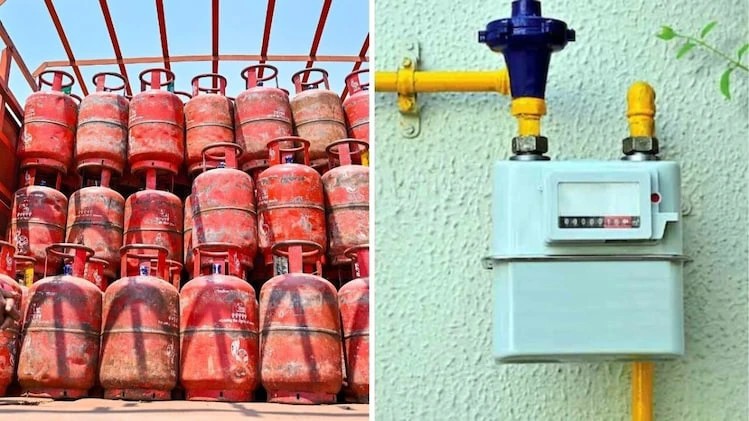
Under the revised guidelines, households with active PNG connections may be required to surrender their LPG connections if both are being used simultaneously at the same residence. The move is part of a wider effort to prevent duplicate connections, reduce misuse of subsidised cylinders and improve fuel distribution efficiency.

The government and oil marketing companies (OMCs) have started identifying households that hold both PNG and LPG connections. Authorities believe that the practice can lead to misuse, hoarding and even black marketing of domestic LPG cylinders.

Consumers found using both PNG and LPG connections at the same address could face suspension or cancellation of their LPG connection if they fail to comply with the new rules within the prescribed period.
Officials say the decision comes at a time when PNG infrastructure is expanding rapidly across urban India. Since the launch of the national PNG expansion drive, around 6.5 lakh new PNG connections were added by the end of March. However, actual gas consumption has remained significantly lower than expected, indicating that many households continue to rely on LPG despite obtaining PNG connections.
Data shows that LPG usage continues to grow strongly. The number of LPG consumers has risen from 17.7 crore to 33.5 crore over the past decade, while PNG users currently stand at about 1.64 crore.
To ensure compliance, oil companies have also launched a nationwide verification drive. Households with fully operational PNG connections are being encouraged to voluntarily surrender their LPG cylinders within the stipulated period.
One relief for consumers is the introduction of a transfer voucher system. Households surrendering LPG connections will receive a transfer voucher that can help them reactivate their LPG connection in the future without paying a fresh security deposit if they move to an area where PNG is unavailable.
The government has clarified that the objective is not to inconvenience consumers but to ensure that subsidised LPG cylinders reach households that genuinely depend on them for daily cooking needs.
In addition to the one-connection policy, stricter monitoring measures are also being implemented. Mandatory OTP-based delivery verification and tighter refill controls are expected to help curb misuse and strengthen transparency in LPG distribution.
Consumers who currently use both PNG and LPG are advised to contact their gas service provider and verify the status of their connections to avoid disruption of service.
The new rules signal a significant shift in India’s cooking fuel policy, with authorities encouraging a gradual transition towards PNG while ensuring fair distribution of LPG resources across the country.
Disclaimer: LPG and PNG regulations may vary based on local implementation and service providers. Consumers should verify details with their respective gas agencies for the latest updates and compliance requirements.