From Thousand-Rupee Match Fees to Lord’s Sellouts: The Unstoppable Rise of Women’s Cricket in India
From Thousand-Rupee Match Fees to Lord's Sellouts: The Unstoppable Rise of Women's Cricket in India
Equal pay at the crease, record crowds at the World Cup, and participation doubling in five years, India’s women’s game is no longer in the men’s shadow
By Vidhi Lalla
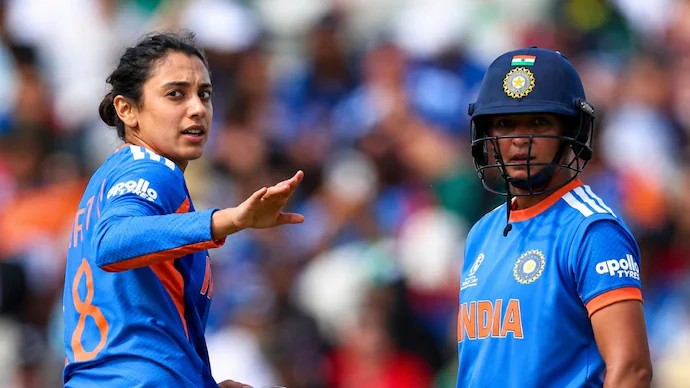
Pune: At Lord’s Cricket Ground this month, Harmanpreet Kaur walked out to bat in a Women’s T20 World Cup match that India had to win. She scored 56. The stadium was packed. The broadcast numbers were record-breaking. India still lost to Australia, beaten by six wickets, and with that result, the dream of a first T20 World Cup title remained unfulfilled after 10 editions and 17 years. But the crowd, the coverage, and the stakes of that defeat told a story that is bigger than any single result.

Indian women’s cricket has arrived. It just has not won the biggest prize yet.

What the Numbers Say About Where We Are Now
The Women’s T20 World Cup 2026 in the United Kingdom became the highest-attended edition in the tournament’s history, crossing 125,000 fans through the gates. The opening weekend alone saw 44,844 people attend across three days. The India versus Pakistan group-stage match set a new attendance record for any group game in the history of the tournament.
These are not small milestones. A decade ago, women’s cricket in India drew sparse crowds and barely registered in broadcast ratings. Today it is filling grounds and generating the kind of digital engagement that sponsors notice.
Back home, participation tells its own story. A study covering more than 10,000 women across 14 states found that the share of women who play cricket has doubled from 5 percent in 2020 to 10 percent now. Among women aged 15 to 24, the number is even sharper: 16 percent say they play cricket, up from 6 percent in 2020. In 2020, for every woman who played, five men did. That ratio has now narrowed to one woman for every three men.
Pay Parity: A Step Forward, With Gaps That Still Exist
In 2022, the BCCI made India only the second country in the world, after New Zealand, to introduce match fee parity for male and female contracted cricketers. Women now earn the same per-match fee: ₹15 lakh per Test, ₹6 lakh per ODI, and ₹3 lakh per T20. That is a 275 percent hike in Test fees, 200 percent in T20s, and a 500 percent jump in ODI fees compared to what women were previously paid.
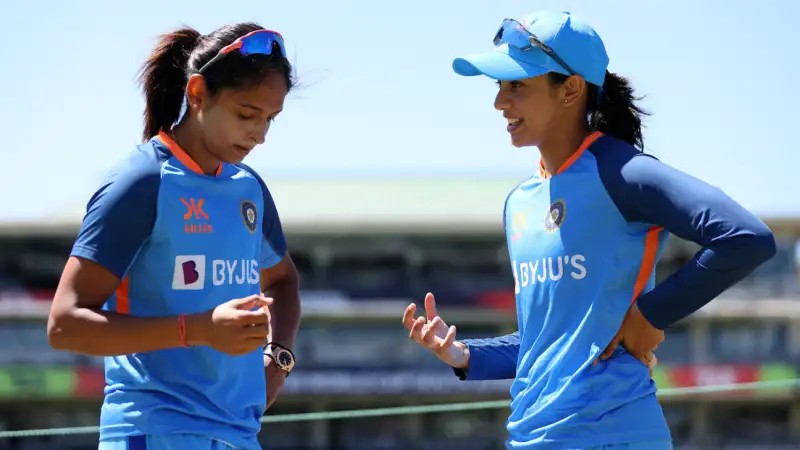
It is a significant step. But annual contract values tell a different story. The highest-grade women contracted players, including Harmanpreet Kaur and Smriti Mandhana, receive ₹50 lakh. Men in the top bracket earn ₹7 crore. The lowest-graded male contracted cricketer still earns twice what a top-tier woman receives on her annual deal. Match fees are equal. The overall earnings gap is not.
The Game Itself: Same Spirit, Different Setup
On the field, the two formats carry the same rules but not the same specifications. Women play with a lighter ball, weighing between 140 and 151 grams with a circumference of 21 to 22.5 centimetres, compared to the men’s 155.9 to 163 grams. Women’s boundaries are shorter, encouraging competitive scoring and giving bowlers more opportunity to exploit swing and seam. In Test cricket, women play four-day matches and are required to bowl 100 overs per day compared to the men’s 90, keeping the tempo higher. These are not lesser adjustments. They are different ones, built to make the format work.
The WPL Effect and the Road to Here
The 2017 Women’s ODI World Cup was the turning point. Mandhana and Harmanpreet became household names overnight. The question that followed was why there was no Women’s IPL. A one-off exhibition game at Wankhede in 2018 drew enough response to keep the conversation alive. A tri-series followed in 2019 and continued in 2020 and 2022. Then the BCCI formally launched the Women’s Premier League in 2023.
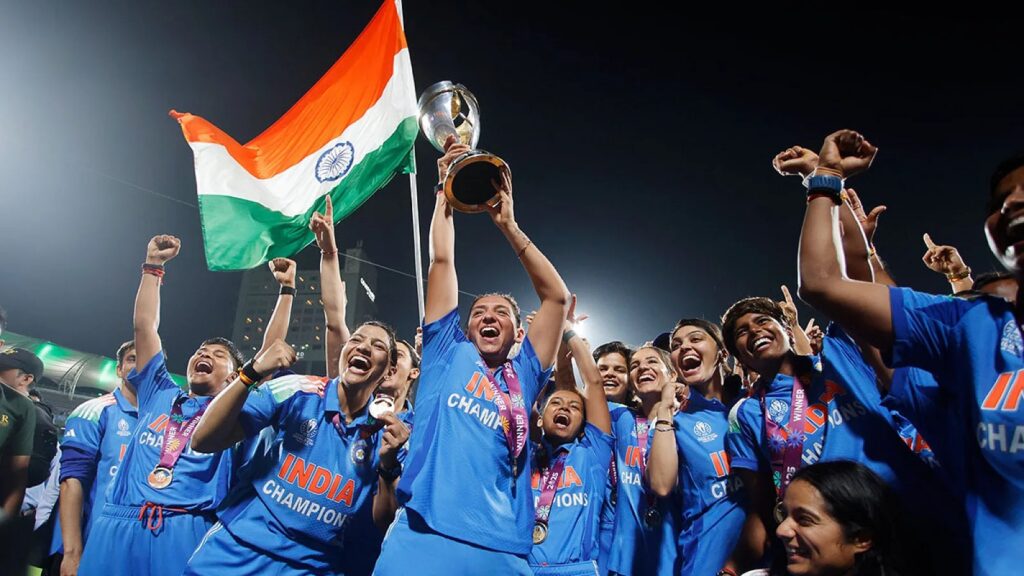
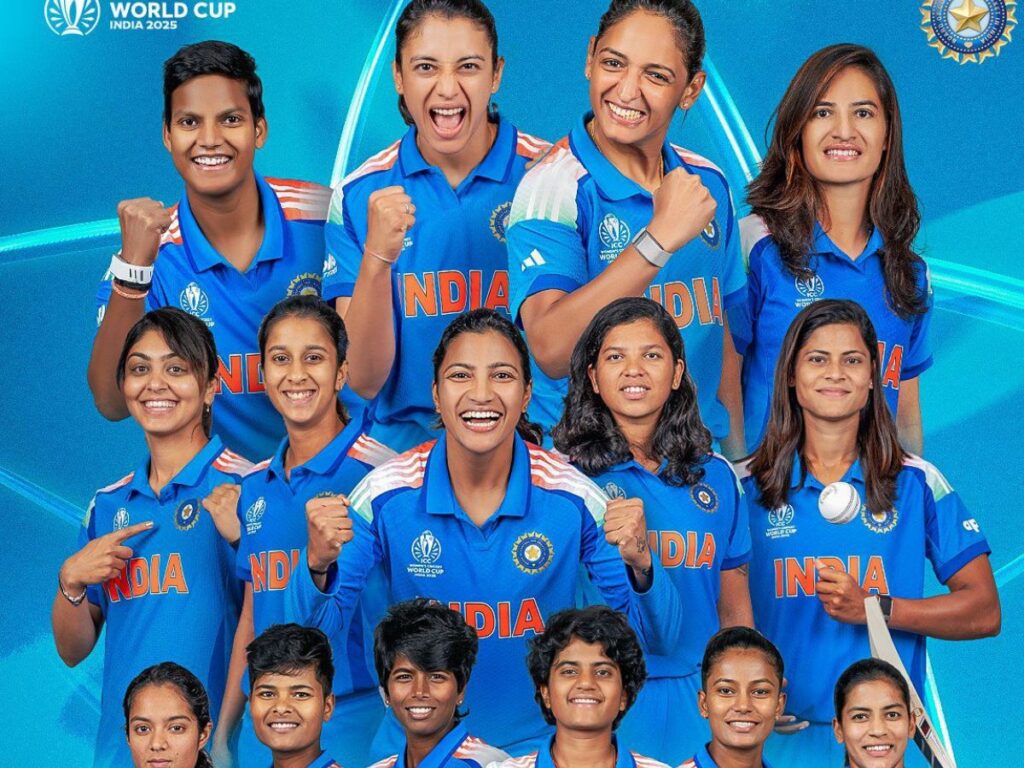
The WPL is now in its fourth season in 2026. It is played in Navi Mumbai and Vadodara, and matches are selling out. Young players like Richa Ghosh, Deepti Sharma, Shafali Verma, and Pratika Rawal are no longer just squad names. They are crowd draws.
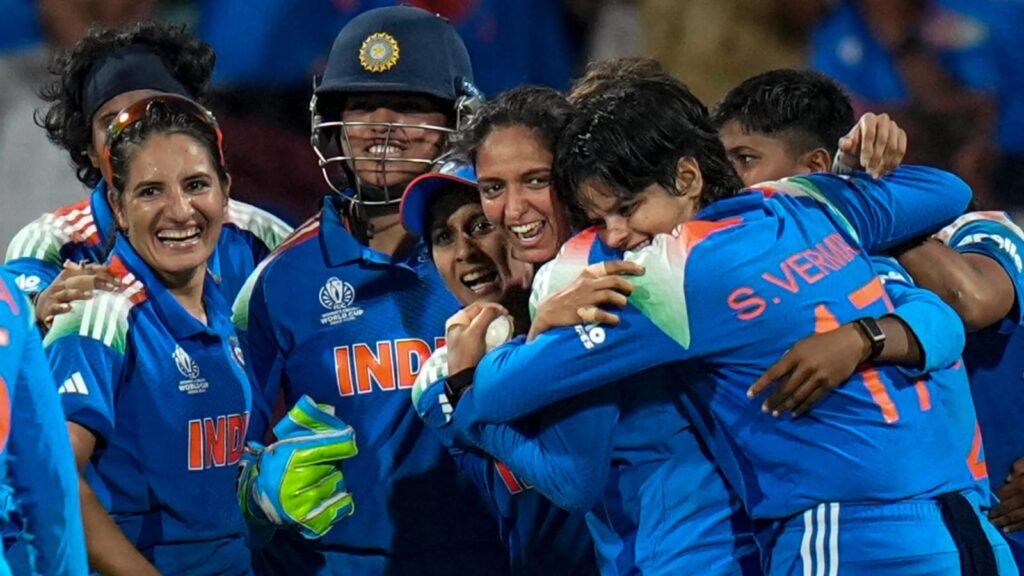
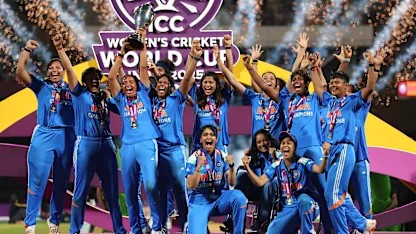
The Indian women’s team also recently won its maiden ODI World Cup and defeated Australia in a bilateral T20 series for the first time in a decade.
What the Defeat at Lord’s Actually Means
The loss to Australia ended India’s campaign. A 100-run partnership between Ellyse Perry and Ashleigh Gardner, after India had Australia at 68 for 3, was the difference. Australia won with six balls to spare and moved into the semi-finals alongside South Africa.
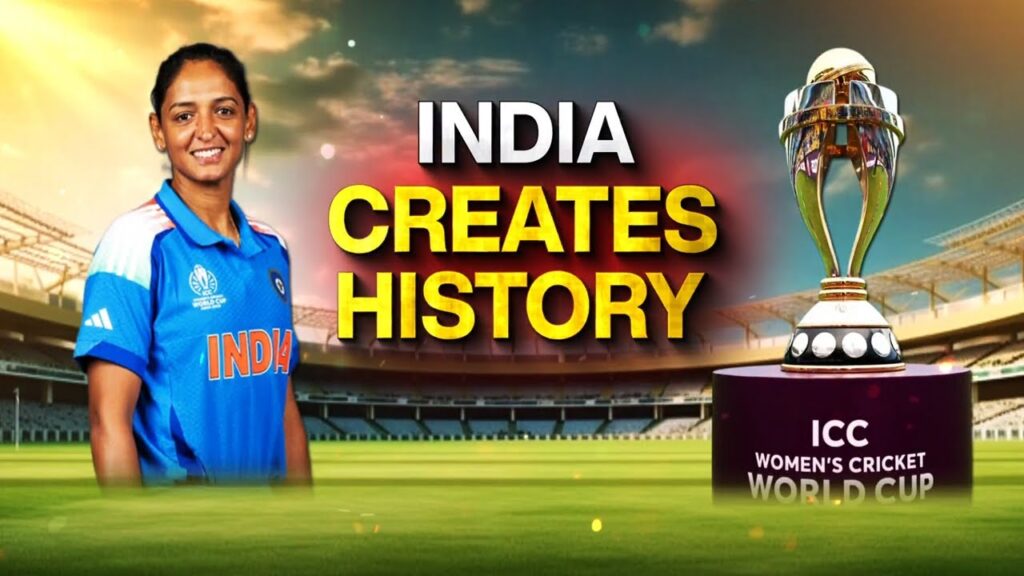
India has played in only one T20 World Cup final, in 2020, when Australia beat them by 85 runs. The title has never come. But the gap between where this team plays and where it used to play has closed in a way that no scoreline captures. Lord’s was full. The world was watching. That, too, is a result.