Budget 2026 Pushes Electric Vehicles Forward: How Much Will EVs Really Get Cheaper?
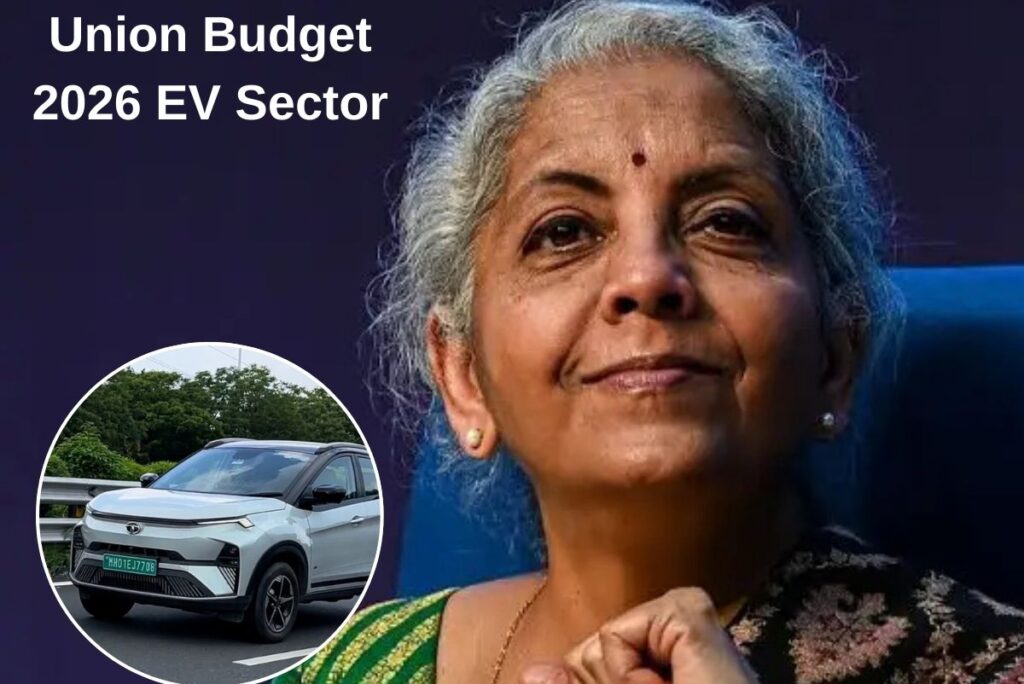
Budget 2026 Pushes Electric Vehicles Forward: How Much Will EVs Really Get Cheaper?
Rare earth corridors, battery incentives and charging reforms signal long-term relief for middle-class EV buyers
The Union Budget 2026-27 has placed a strong bet on electric mobility, with Finance Minister Nirmala Sitharaman outlining a series of measures aimed at strengthening the electric vehicle ecosystem and reducing India’s dependence on imports. While electric cars may not become dramatically cheaper overnight, experts say the budget sets the foundation for meaningful cost reductions in the coming years—especially for middle-class buyers.
One of the most significant announcements is the creation of dedicated corridors for rare earth minerals in Kerala, Tamil Nadu, Odisha, and Andhra Pradesh. Rare earth elements are critical for EV motors and battery systems, but India currently relies heavily on imports, which drives up costs. Domestic mining and processing are expected to stabilise supply and gradually reduce battery prices, which account for a large portion of an electric vehicle’s cost.
The budget has also expanded support for local manufacturing through the Production Linked Incentive (PLI) scheme for automobiles and auto components, now extended to ₹5,940 crore. This move is expected to encourage companies to manufacture EV components within India, lowering production costs and strengthening supply chains.

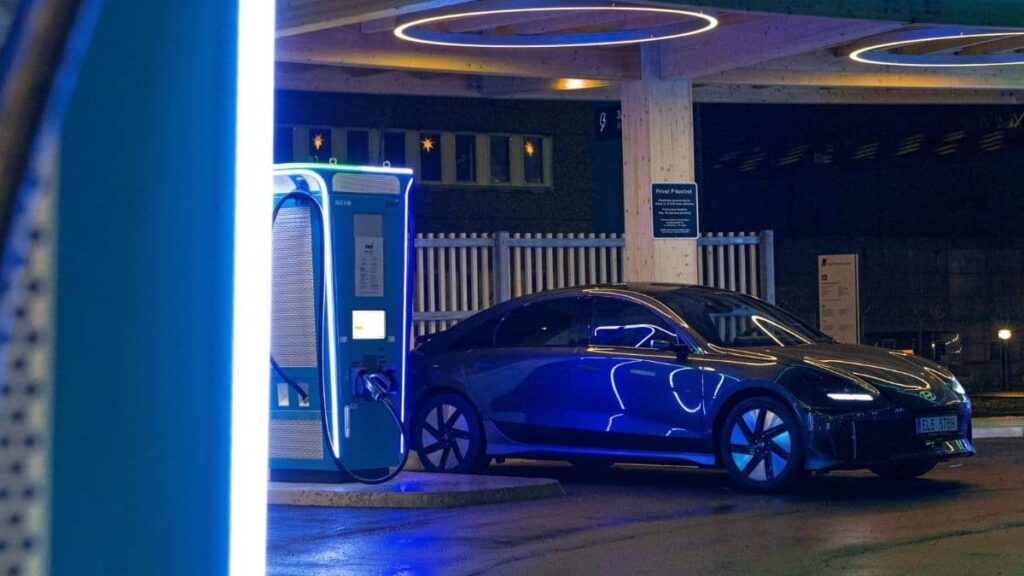
To support EV adoption at the consumer level, the government has allocated ₹1,500 crore under the PM E-DRIVE scheme. A key feature of this initiative is the launch of a unified “super app” for EV charging and payments, aimed at making charging more accessible and reducing range anxiety for users. Improved charging infrastructure is seen as a critical factor in boosting EV adoption beyond major cities.
Additional relief has been announced for battery manufacturing. The government has provided ₹1,000 crore for battery energy storage systems and continued exemptions on Basic Customs Duty for capital goods used in lithium-ion battery production. Concessional duty benefits for lithium-ion cells and their components have also been extended for two more years, until March 2028. Industry players believe these steps will accelerate the development of a robust domestic battery ecosystem.
According to industry estimates, the cumulative impact of these measures could make electric cars 10 to 20 percent cheaper over the long term. However, analysts caution that global supply chain uncertainties and commodity price fluctuations could delay immediate price reductions. In the short term, EV prices are likely to remain stable rather than fall sharply.
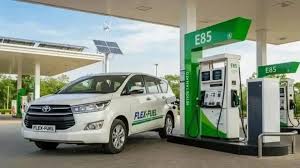
Beyond electric vehicles, the auto industry has welcomed the government’s broader clean mobility strategy. The budget announced phased blending of Compressed Bio-Gas (CBG) into CNG for transport, following the earlier push for E20 ethanol blending. Together with incentives for domestic battery and electronic component manufacturing, these policies signal a long-term transition toward cleaner fuels and self-reliant production.
For middle-class consumers, the message from Budget 2026 is one of gradual but steady relief. While EVs may not become instantly affordable for all, the groundwork laid this year is expected to make electric mobility more accessible, reliable, and cost-effective over the next few years.
Disclaimer: Vehicle prices and benefits may vary based on manufacturer decisions, state policies, and market conditions.