Can Dal Alone Meet Your Protein Needs? The Truth Revealed
Can Dal Alone Meet Your Protein Needs? The Truth Revealed
Whether it’s dal-chawal, hummus-pita, or dal-dhokli, these combinations offer a simple, time-tested solution for meeting your protein needs. Next time you savor a comforting bowl of dal, remember the power of pairing it with rice, wheat, or millets to create a balanced, protein-rich meal
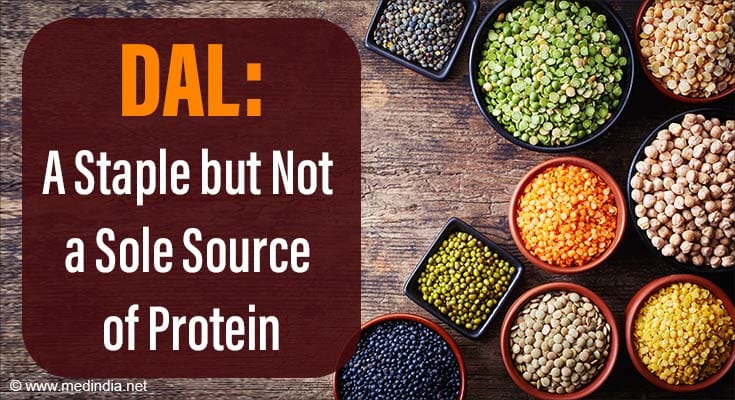
Dal (lentils) is a staple in Indian households, cherished not only for its comforting taste but also for its rich nutritional profile. However, while dal is often celebrated as a source of protein, it lacks the essential amino acids to qualify as a “complete protein.” To maximize its benefits, pairing dal with other foods is essential for achieving a balanced protein intake.
Why Dal Alone Isn’t Enough
Proteins are made of amino acids, and our body requires 9 essential amino acids that it cannot produce on its own. Lentils are rich in lysine but lack methionine, an amino acid abundantly found in cereals like rice and wheat. On the flip side, cereals like rice and wheat are low in lysine but high in methionine and cysteine. When combined, these foods create a complete amino acid profile, making them a perfect match for balanced nutrition.

This knowledge is particularly significant for vegetarians, as plant-based proteins often miss one or more essential amino acids. Pairing dal with cereals ensures that vegetarians can meet their daily protein requirements effectively.
Classic Food Combinations for Complete Protein
Across cuisines, the wisdom of pairing cereals with pulses or legumes to create complete proteins has been widely practiced. Here are a few classic examples from the screenshot shared by holistic health coach Luke Coutinho:
• Dal-Chawal or Rajma-Rice (India): The quintessential combination of lentils or kidney beans with rice creates a protein-rich, balanced meal.
• Dal-Roti (India): Indian flatbreads made of wheat perfectly complement dals, providing all essential amino acids.
• Hummus-Pita (Middle East): Chickpea-based hummus paired with pita bread creates a wholesome plant-based protein combo.
• Poha with Peanuts or Sprouts (India): Flattened rice combined with peanuts or sprouts adds diversity to your protein profile.
• Dal-Dhokli (India): A Gujarati dish where wheat dumplings are cooked in lentils, offering both flavor and nutrition.
• Dal Khichdi (India): A mix of rice and lentils, often spiced with turmeric and cumin, serves as an easily digestible protein-packed meal.
• Lentil and Corn Tortilla (Latin America): A pairing of lentils with corn tortillas creates a complete protein combination commonly enjoyed in Latin American cuisines.
A Timeless Nutritional Practice
The traditional Indian thali exemplifies the art of combining foods to ensure a balanced intake of nutrients. The practice of pairing cereals and pulses not only provides complete proteins but also delivers essential vitamins, minerals, and dietary fiber.
For vegetarians, understanding the science behind these food combinations is crucial. While animal-based proteins naturally provide all essential amino acids, vegetarians can achieve the same benefits by thoughtfully pairing plant-based foods.
.