COVID-19 Survivors may Face Long-Term Risk upto 3 Years later, of Heart Attack and Stroke, New Research Reveals
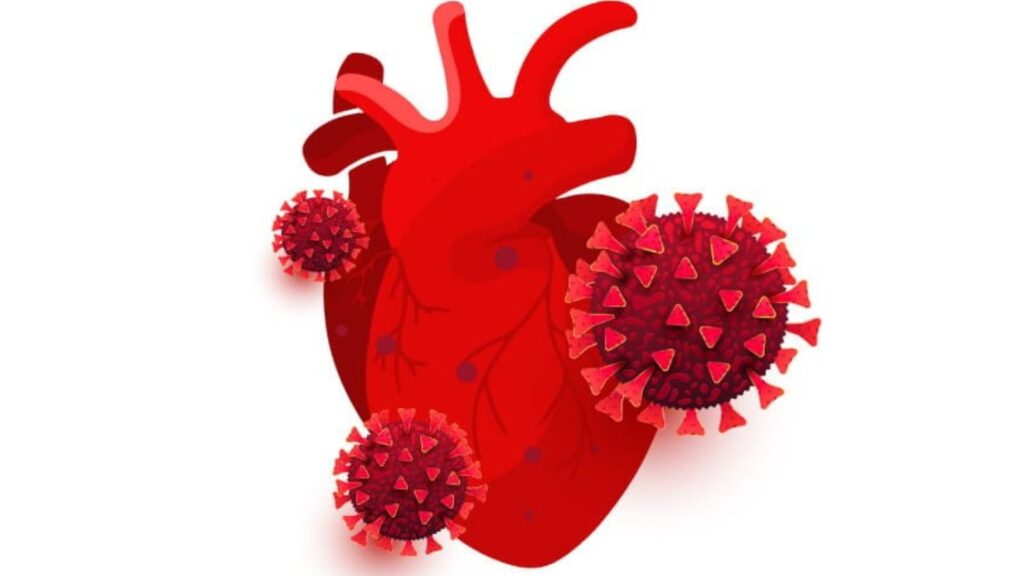
COVID-19 Survivors may Face Long-Term Risk upto 3 Years later, of Heart Attack and Stroke, New Research Reveals
A recent study published in the medical journals, Atherosclerosis Thrombosis and Vascular Biology has uncovered alarming findings about the long-term cardiovascular risks faced by individuals who had COVID-19. According to the research, even three years after recovery, those who contracted COVID in 2020 still have a heightened risk of heart attack or stroke.
The research, based on data from the large UK Biobank, analyzed the medical records of over 11,000 people who tested positive for COVID-19 in 2020, compared with more than 222,000 individuals without a history of the virus during the same period. The findings were stark: people who had COVID were twice as likely to suffer a major cardiovascular event such as a heart attack, stroke or even death within three years of contracting the virus. For those who were hospitalized with severe COVID, the risk was even higher—more than three times that of individuals who never tested positive for the virus.
The study found that COVID-19 appears to be as significant a risk factor for heart disease as diabetes or peripheral artery disease (PAD), especially for patients who required hospitalization. Alarmingly, the research suggests that the long-term impact on heart health from COVID is much more severe than that of typical viral or bacterial infections, which usually resolve without lasting effects on cardiovascular function.

The findings further revealed that individuals with blood types A, B, or AB faced an even higher risk of cardiovascular events compared to those with type O blood. This association between blood type and increased cardiovascular risk adds a new dimension to the understanding of COVID-19’s long-term effects.
Experts have long known that infections, including the flu or bacterial illnesses, can temporarily increase the risk of heart attacks. However, COVID-19 presents a unique and persistent threat, with its effects lingering for years. Researchers still do not fully understand why COVID continues to affect heart function long after recovery.
With more than 3.5 million Americans hospitalized for COVID-19 between May 2020 and April 2021 alone, these findings carry significant implications. Healthcare providers may need to monitor COVID-19 survivors for cardiovascular risks long after recovery and implement preventive measures to reduce the risk of future heart attacks and strokes.
The study emphasizes the need for early cardiovascular disease prevention among those who have had COVID-19, even if their symptoms were mild. As the world continues to grapple with the long-term effects of the pandemic, this research underscores the importance of ongoing care for COVID survivors, especially in the realm of heart health.