Don’t Just Switch It On: 7 Smart Things to Do Before Running Your AC This Summer
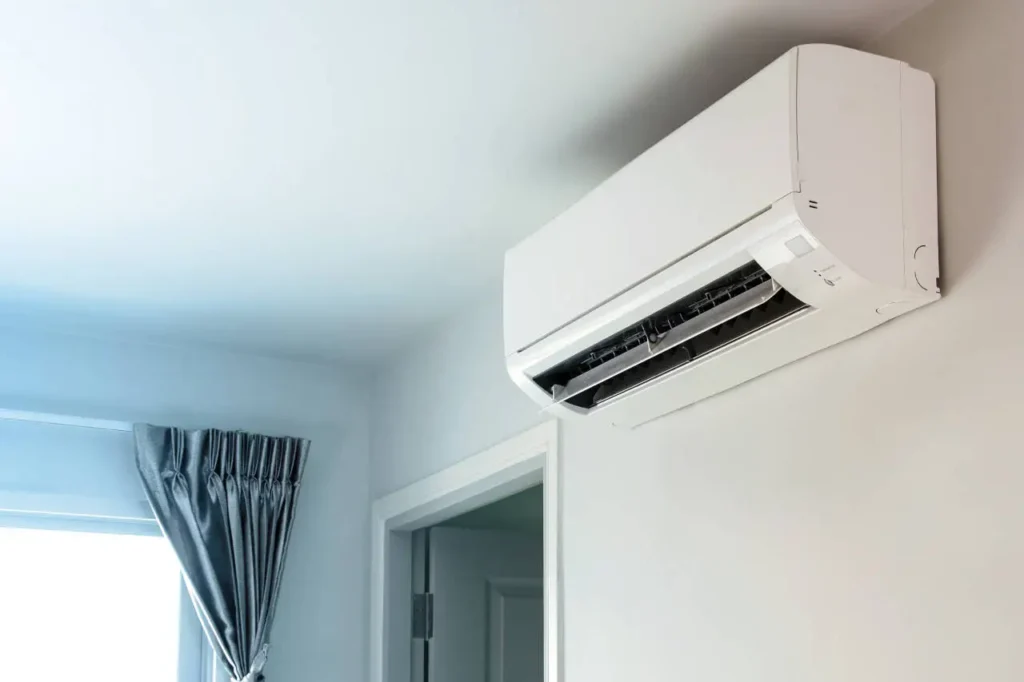
Don’t Just Switch It On: 7 Smart Things to Do Before Running Your AC This Summer
When summer arrives, most of us instinctively reach for the remote and power up the air conditioner after months of silence. But after sitting idle through winter and spring, your AC needs attention before it can deliver powerful, clean, and energy-efficient cooling. In Indian conditions—where dust, humidity, voltage fluctuations, and pollution are constant challenges—skipping pre-season care can lead to poor cooling, higher electricity bills, and expensive repairs.
Here’s a complete 7-step guide to help your AC perform at its best all summer long.
1. Pre-Summer Maintenance Is Not Optional—It’s Essential

An air conditioner that hasn’t been checked for months often becomes a collection point for dust, cobwebs, insects, and even bird droppings in outdoor units. Turning it on without inspection can strain internal components.
Why this matters:
Lower Energy Consumption: A well-maintained AC can consume up to 15–20% less electricity.
Better Air Quality: Dirty filters circulate allergens, bacteria, and fine dust particles.
Longer Lifespan: Clean components prevent compressor overheating and premature breakdown.
Improved Cooling Speed: Clean coils and filters allow faster heat exchange, cooling rooms more quickly.
Regular maintenance isn’t an expense—it’s protection for your investment.
2. Clean the Air Filters Thoroughly (The Filter Reset)
Your AC filters are the first barrier against dust and pollutants.
What to do:
Switch off the power supply.
Open the indoor unit panel (works for both split and window ACs).
Slide out the mesh filters.
Vacuum loose dust first.
Wash with lukewarm water and mild soap.
Let them dry completely in shade before reinstalling.
Never operate the AC without filters—they protect the evaporator coils and maintain air hygiene.
Pro Tip: During peak summer, clean filters every 2–4 weeks for consistent cooling.
3. Gently Clean the Evaporator Coils and Cooling Fins
Behind the filters are delicate aluminum fins (usually blue or metallic). These are responsible for absorbing heat from your room.
How to clean safely:
Use a soft brush or a fin comb.
Gently remove dust buildup.
You may use a vacuum cleaner to extract loose debris.
Avoid high-pressure water indoors. These fins bend easily and damaged fins reduce cooling efficiency.
4. Inspect and Clean the Outdoor Unit (Condenser Care)
The outdoor unit faces direct sunlight, rain, pollution, and debris. It must “breathe” freely to release heat.
Checklist:
Ensure at least 2 feet of open space around it.
Remove dry leaves, nests, and plastic waste.
Use a low-pressure garden hose to rinse the back coils.
Avoid spraying water into electrical panels.
If airflow is blocked, the compressor works harder and electricity usage increases.
5. Perform Basic Mechanical & Electrical Safety Checks
Before first startup, do these quick inspections:
Remote Control: Replace old batteries. Leaked batteries can damage circuits.
Drain Pipe: Check the water outlet pipe for blockages. Insects often nest inside, causing indoor leakage.
Voltage Stabilizer: Ensure it shows a stable output indicator (if you use one). Voltage fluctuations are a major cause of PCB damage in many Indian homes.
Power Plug & Socket: Look for burn marks or loose connections on the 16A plug. Overheating sockets are fire risks.
If you notice sparks, burning smell, or unusual sounds—switch off immediately.
6. Book a Professional Service (Once a Year Minimum)
DIY cleaning helps, but professional servicing is equally important.
A technician typically checks:
Refrigerant (Gas) Pressure: Low gas means the AC runs but doesn’t cool effectively.
Compressor Amperage: Ensures the motor is drawing correct current.
Capacitor Condition: A weak capacitor often causes “fan running but no cooling.”
Deep Coil Cleaning (Jet Service/Power Wash): Removes stubborn grime.
Thermostat Calibration: Ensures accurate temperature sensing.
Annual servicing can prevent sudden mid-summer breakdowns.
7. Smart Cooling Habits for Maximum Efficiency
Once your AC is clean and running, how you use it makes a huge difference.
Follow the 24°C Guideline
The Bureau of Energy Efficiency recommends setting ACs at 24°C. Every 1°C increase can save around 6% electricity.
Use Ceiling Fan Alongside AC
Running a fan at low speed circulates cool air better. This allows you to set the AC at a slightly higher temperature without compromising comfort.
Block Heat Entry
Install blackout curtains or reflective blinds. Up to 30% of cooling load comes from heat entering through windows.
Use the Timer Smartly
Set the AC to switch off around 4:00 AM. Rooms usually stay cool till morning, saving hours of electricity.
Avoid Heat Sources Nearby
Keep lamps, televisions, and other heat-emitting appliances away from the thermostat area to prevent false temperature readings.
Seal Air Leaks
Close gaps around doors and windows. Even small leaks force the AC to work harder.
Safety Reminders You Should Never Ignore
Do not use pressure washers on indoor units.
Never attempt gas refilling yourself.
If you detect a metallic or burning smell, turn off the AC immediately and call a technician.
Avoid running the AC on generator power without proper voltage regulation.
Your air conditioner is one of the hardest-working appliances during summer. Giving it a little attention before the season begins can dramatically improve cooling performance, reduce power bills, and prevent unexpected repair costs. Instead of waiting for problems to appear, treat pre-summer preparation as a routine ritual.
A well-maintained AC doesn’t just cool your room—it keeps your home comfortable, your air cleaner, and your electricity bills under control all season long.