FASTag Rule Update 2026: KYV Verification Scrapped, Banks to Complete All Checks Before Activation
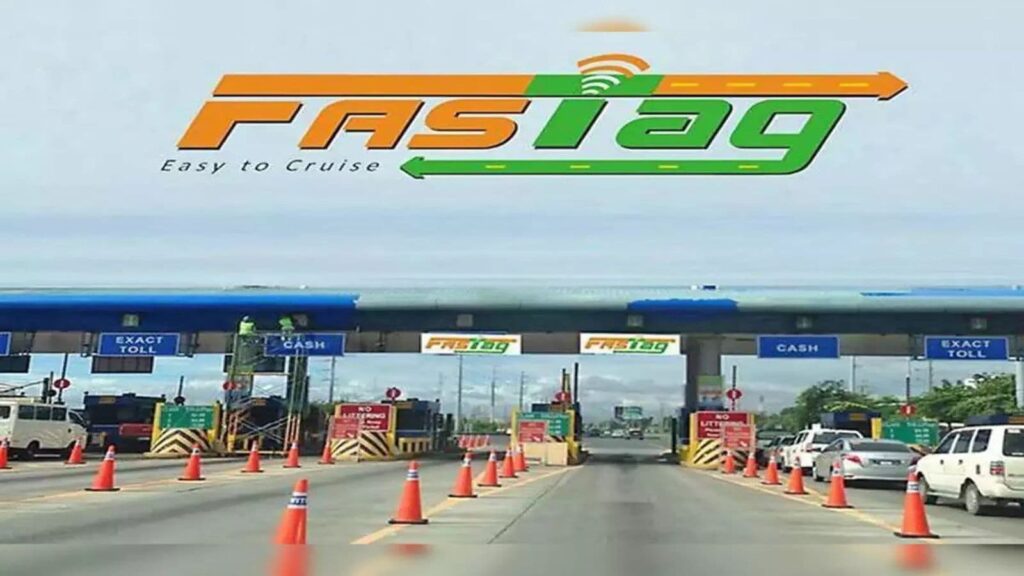
From This Day, Cash Toll Payments on Highways Will No Longer Be Accepted; FASTag Mandatory
Beginning in early 2026, highway travel for private vehicle owners is set to become far more convenient. The National Highways Authority of India (NHAI) has announced a major reform in the FASTag system that removes a long-standing pain point for commuters. From 1 February 2026, owners of cars, jeeps, and vans will no longer be required to go through the post-activation Know Your Vehicle (KYV) verification process when purchasing a new FASTag.
What change has NHAI introduced?
Previously, FASTag installation did not always mark the end of formalities. Even after successful activation, many vehicle owners continued to receive repeated calls, messages, or notices from banks asking for KYV verification and document resubmission. In some situations, FASTags were blocked or flagged despite valid vehicle records, leading to delays and inconvenience at toll plazas.

To address these recurring issues, NHAI has decided to completely discontinue KYV verification after FASTag activation. Once a FASTag is verified and activated, customers will not be contacted again for routine document checks.
Existing FASTag users also benefit
Relief under this new rule is not limited to future buyers. Current FASTag holders using private vehicles will also be exempt from routine KYV verification. NHAI has clarified that repeat KYV checks will now be carried out only under specific circumstances, including:
Incorrect issuance of FASTag
Improper placement or a loose FASTag
Technical issues, misuse, or any formal complaint
If none of these issues are reported, existing users will not need to visit banks or respond to verification requests.
Greater accountability for banks
Under the revised system, FASTag-issuing banks will bear full responsibility for verification. Before activation, banks must validate vehicle details through the VAHAN database. Activation will take place only after this verification is successfully completed.
The earlier provision allowing post-activation verification has been entirely removed. In rare cases where vehicle details are unavailable in the database, verification will be done using the Registration Certificate (RC). Responsibility in such cases will still lie with the issuing bank.
Online FASTag purchases included
NHAI has confirmed that identical rules will apply to FASTags purchased through online platforms. Whether obtained digitally or offline, all verification steps must be completed prior to activation, ensuring consistency across all purchase channels.
Moving toward a smoother toll experience
According to NHAI, these reforms are aimed at making the FASTag system more citizen-centric, transparent, and digitally efficient. By eliminating unnecessary follow-ups and clearly defining bank accountability, the authority expects a reduction in complaints and smoother toll plaza operations.