Fit, Clean ECG, Yet Fatal: Sudden Death of Nagpur neurosurgeon Dr Chandrashekhar reignites debate on hidden cardiac risks
Fit, Clean ECG, Yet Fatal: Sudden Death of Nagpur neurosurgeon Dr Chandrashekhar reignites debate on hidden cardiac risks
The sudden death of Nagpur neurosurgeon Dr Chandrashekhar Pakhmode has reignited debate on hidden cardiac risks beyond cholesterol, sugar and routine ECG tests.
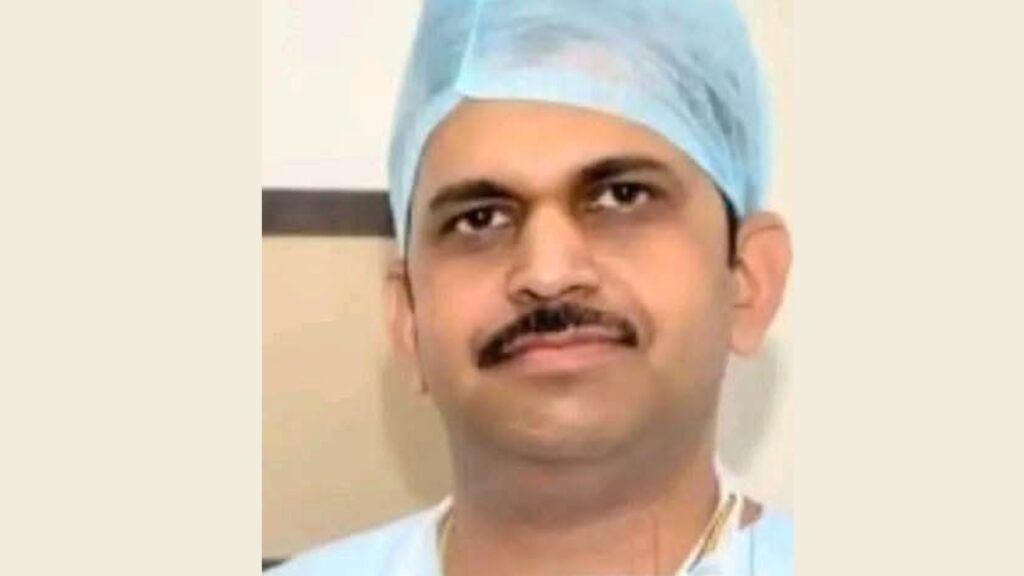
The sudden death of renowned Nagpur neurosurgeon Dr Chandrashekhar Pakhmode at the age of 53 has sent shockwaves through the medical fraternity and raised troubling questions about how heart attacks can strike even those who appear fit and medically “clear.”
Dr Pakhmode collapsed outside his Ramdaspeth residence around 6 am on December 31. Despite being rushed to hospital and undergoing prolonged resuscitation efforts, including nearly two hours of chest compressions and multiple electric shocks, he could not be revived. What stunned colleagues and family alike was that he was fitness-conscious and had undergone an ECG just three days earlier, which was reported as normal.
Doctors now say the tragedy highlights a critical gap in how cardiac risk is assessed—one that often ignores chronic stress, burnout and sleep deprivation.

According to senior cardiologists, they have seen a growing number of doctors and high-pressure professionals suffer sudden heart attacks despite having normal blood sugar, cholesterol and ECG reports. Long working hours, intense mental stress, disrupted sleep cycles and emotional burnout are increasingly being recognised as powerful triggers.
Stress causes a sustained release of “fight or flight” hormones such as adrenaline and cortisol. Over time, these hormones raise blood pressure, increase heart rate and elevate blood sugar, cholesterol and triglycerides. Chronic exposure leads to inflammation that weakens blood vessel walls, allowing LDL (“bad”) cholesterol to penetrate and form plaques faster.
Even short-term stress can be dangerous. A sudden adrenaline surge can rupture an existing plaque, triggering a blood clot that blocks blood flow to the heart. This risk becomes even higher in the early morning hours—typically between 3 am and 6 am—when stress hormones naturally peak, blood pressure rises, platelets clump faster, and the body’s ability to dissolve clots is reduced due to mild dehydration.
Doctors say many professionals ignore early warning signs such as unexplained fatigue, nausea, light-headedness or mild chest discomfort, dismissing them as exhaustion. In some cases, severe blockages in critical arteries like the Left Anterior Descending (LAD) artery can prove rapidly fatal because they affect a large portion of heart muscle.
Experts also caution against over-reliance on ECGs. A routine ECG can appear normal in early or evolving heart attacks and often misses unstable angina—where blood flow is dangerously restricted but permanent damage has not yet occurred. This is why blood tests like troponin levels, which detect heart muscle injury, are crucial in suspicious cases. Diabetics, in particular, may experience “silent” heart attacks with minimal symptoms and subtle ECG changes.
Dr Pakhmode’s colleagues described him as a jovial, compassionate surgeon who saved countless lives over more than two decades of service. He is survived by his mother, wife—an anaesthetist—and two children, including a son who is also a doctor. Tributes poured in from across the country, including from Union minister Nitin Gadkari and Maharashtra Chief Minister Devendra Fadnavis, who called him a “guardian angel” for patients.
Cardiologists now urge professionals—especially doctors, executives and shift workers—to look beyond routine tests. Managing stress, ensuring adequate sleep, monitoring blood pressure closely and allowing a calm buffer period after waking up before engaging with work or phones may be as vital as diet and exercise in preventing sudden cardiac events.
Disclaimer: This article is for general awareness. Readers should consult qualified medical professionals for diagnosis, testing and treatment related to heart health.