Flush It Before It Kills: Govt Lists 17 Medicines Too Dangerous to Keep at Home
Pune: Case Filed Against Shikrapur Company Supplying Fake Medicines To City Hospitals
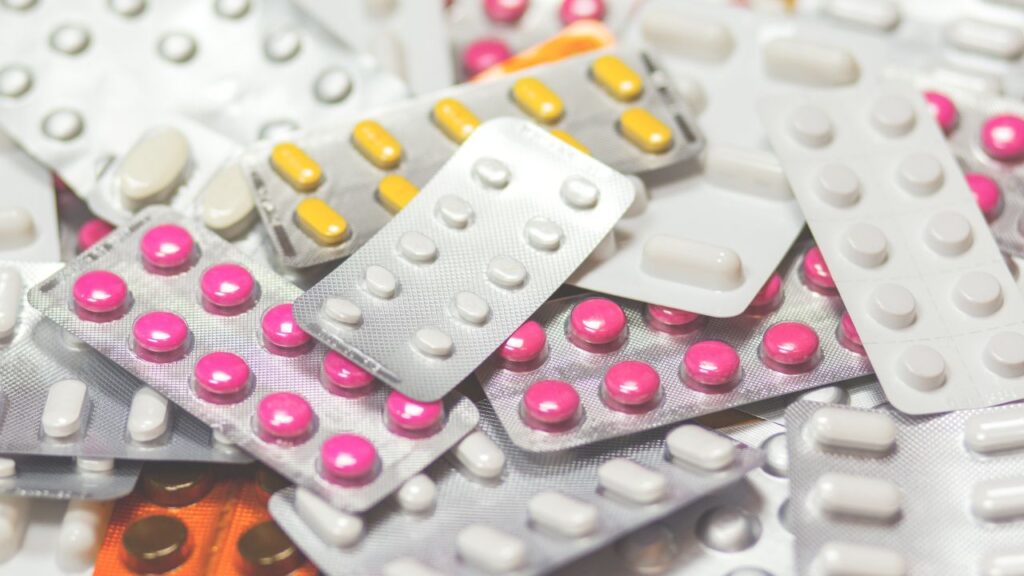
The Central Drugs Standard Control Organisation (CDSCO) has reportedly issued new guidelines for the disposal of certain expired or unused medicines, advising citizens to flush them down the toilet to avoid potential harm. The recommendation applies to a list of 17 medicines, many of which are opioids or synthetic drugs that, if misused, can lead to serious health consequences or even death.
The CDSCO has allegedly released a list of drugs that are considered especially dangerous if they fall into the wrong hands. The list includes fentanyl, morphine sulfate, methadone hydrochloride, buprenorphine, diazepam, oxycodone, tramadol, and methylphenidate, among others. These drugs are typically prescribed to treat severe pain, anxiety, or other medical conditions and are known to have a high potential for abuse.
According to the CDSCO, “If these medications are taken by someone other than the intended recipient, they can be particularly dangerous and, in certain situations, lethal with a single dosage.”

The agency has allegedly stated that flushing these particular drugs is a safer method of disposal, as it minimizes the chances of accidental consumption or misuse, especially by children or pets. These medicines, when stored unused or left expired at home, are believed to pose a significant risk.
The CDSCO further added, “To avoid endangering others in the house, including pets,” these medications should be disposed of immediately if they are unwanted or expired.
While flushing is reportedly recommended for the 17 listed medicines due to their high-risk nature, the CDSCO has also suggested more environmentally safe disposal methods for other types of medications. In an official statement, the drug authority has advised the use of “drug take back” programs wherever available, which help reduce the release of pharmaceutical waste into water bodies.
It is reportedly noted that improper disposal of medications can contribute to the development of drug-resistant diseases by contaminating water sources.
As per the Biomedical Waste Management Rules of 2016, state governments are allegedly encouraged to coordinate with local authorities to set up processes for the safe collection and disposal of unused or expired drugs. This includes creating public awareness around proper disposal and setting up facilities for the same.