From Sanjay Gandhi To Ajit Pawar: Indian Leaders Lost To Aviation Tragedies
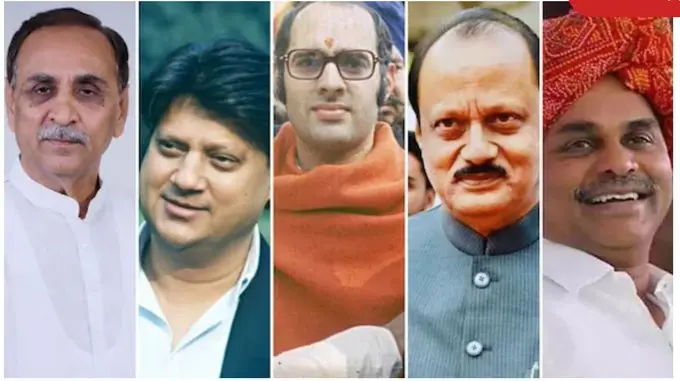
From Sanjay Gandhi To Ajit Pawar: Indian Leaders Lost To Aviation Tragedies
Each crash is a reminder of how even the most powerful lives can be cut short in moments of technical failure, weather uncertainty and human vulnerability
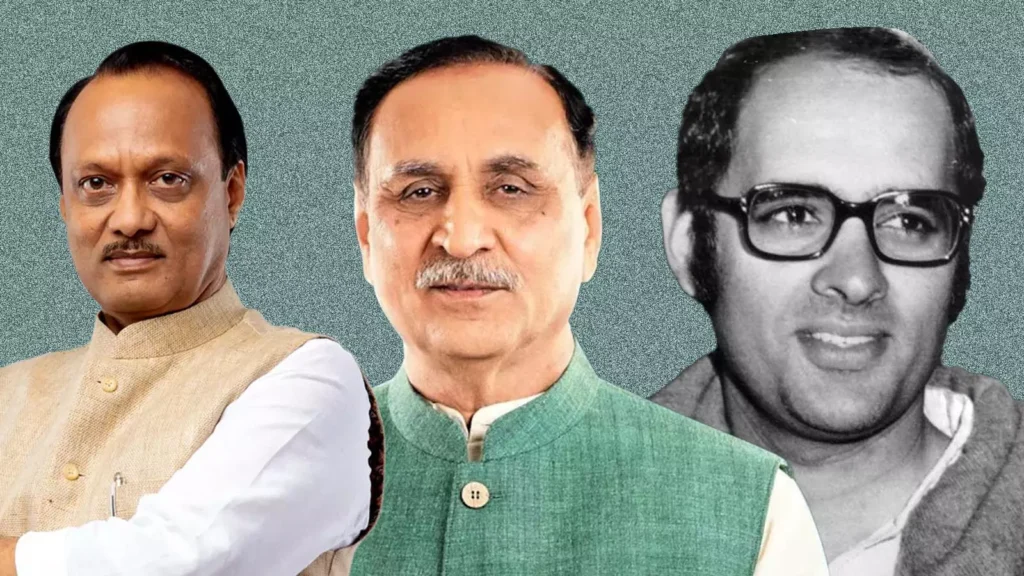
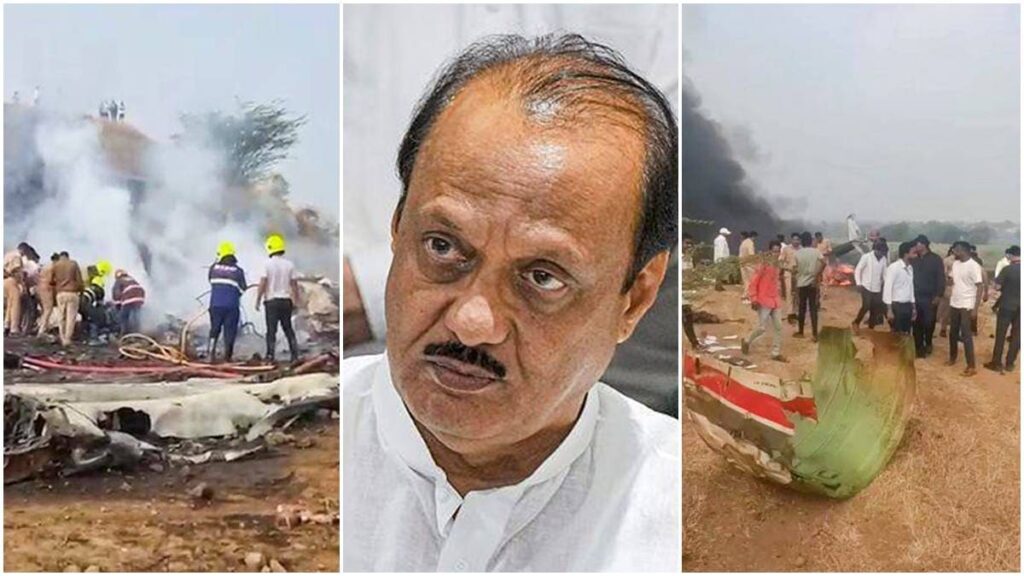
The death of Maharashtra Deputy Chief Minister Ajit Pawar in a plane crash at Baramati has once again drawn national attention to a long and painful history of Indian leaders who lost their lives in aviation accidents. These tragedies have not only altered political landscapes but also left lasting emotional scars on the country.
Ajit Pawar was travelling from Mumbai to Baramati to address election rallies when the chartered aircraft crashed while attempting an emergency landing. According to official confirmation, the aircraft caught fire after impact and all five people on board lost their lives. The incident has shocked Maharashtra and revived memories of similar aviation disasters that claimed prominent national figures in the past.
One of the earliest and most significant aviation tragedies was the death of Homi Jehangir Bhabha in 1966. The pioneering nuclear physicist, who laid the foundation of India’s nuclear programme, was travelling on Air India Flight 101 when the aircraft crashed into Mont Blanc in the Swiss Alps. The accident occurred due to miscommunication between the cockpit and air traffic control, ending the life of a man who shaped India’s scientific future.

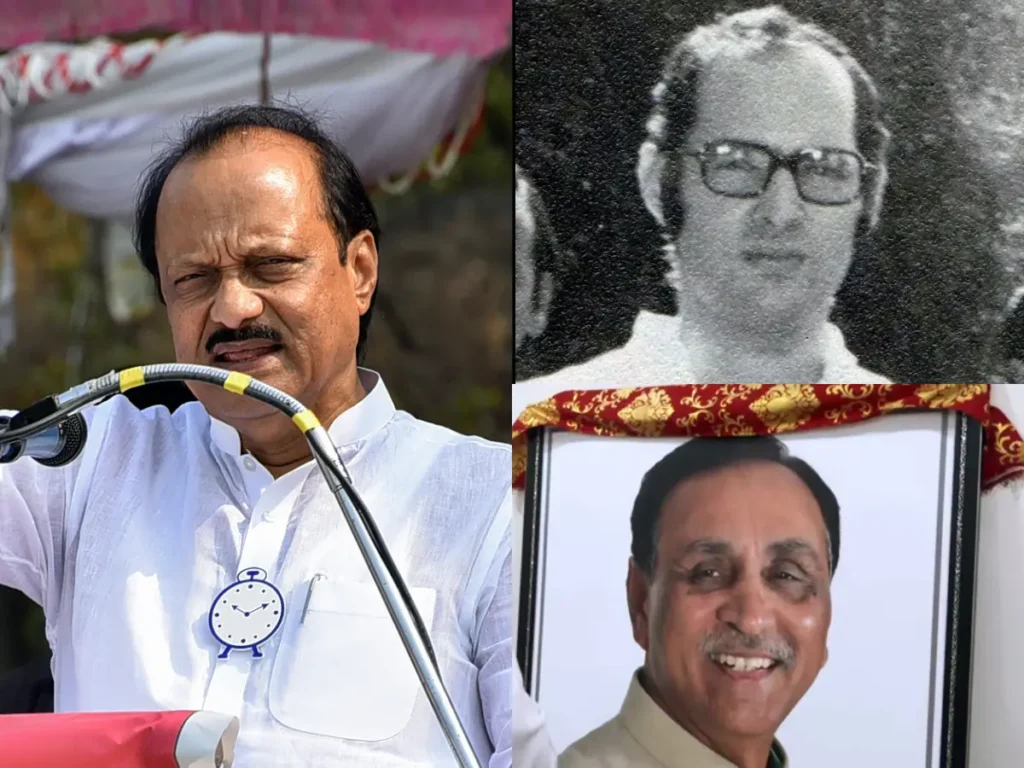
In 1980, Sanjay Gandhi, son of former Prime Minister Indira Gandhi, died in a plane crash in Delhi. The two-seater aircraft he was piloting crashed during a test flight near Safdarjung Airport. At just 33, Sanjay Gandhi was seen as a powerful political figure whose influence shaped the Emergency era. His sudden death left a major political vacuum.
Madhavrao Scindia, one of the most respected leaders of the Congress party and a member of the Gwalior royal family, died in 2001. His chartered aircraft crashed in Uttar Pradesh’s Mainpuri district while he was travelling to address a political rally. The accident claimed all lives on board and stunned the nation, cutting short a leader known for political grace and mass connect.
In 2002, Ganti Mohana Chandra Balayogi, the Speaker of the Lok Sabha, died in a helicopter crash in Andhra Pradesh. The chopper reportedly suffered a technical failure mid-air and went down while returning from Bhimavaram. Balayogi was one of the youngest Lok Sabha Speakers and his death was a major blow to parliamentary leadership.
Another tragic incident occurred in 2009 when YS Rajasekhara Reddy, then Chief Minister of Andhra Pradesh, died in a helicopter crash in the Nallamala Hills. Bad weather conditions and rugged terrain delayed rescue operations, and the wreckage was found only a day later. His death created a political and emotional upheaval in the state.
In 2011, Arunachal Pradesh Chief Minister Dorjee Khandu lost his life when a helicopter crashed in a remote mountainous region near the India-China border. The helicopter went missing and was located only after five days of intense search operations. The tragedy highlighted the risks of flying in difficult terrain and unpredictable weather.
More recently, in 2025, former Gujarat Chief Minister Vijay Rupani was among those killed in the Air India Boeing 787-8 Dreamliner crash shortly after takeoff from Ahmedabad. The aircraft crashed into a medical college hostel complex and caught fire, killing hundreds. It became one of the deadliest aviation accidents in Indian history.
These incidents show a pattern of vulnerability where weather conditions, technical faults, communication failures and human judgment combine into catastrophic outcomes. Despite advancements in aviation safety, chartered flights, helicopters and small aircraft remain exposed to higher risks, especially in challenging terrains and emergency landings.
Ajit Pawar’s death now joins this tragic list, reinforcing how political stature offers no shield against the unpredictability of aviation accidents. Each such incident reshapes governance, leadership dynamics and public sentiment, leaving behind unanswered questions and grieving families.
From scientists to chief ministers and national leaders, these aviation tragedies underline one harsh truth: in the sky, power, position and prominence dissolve into the same fragile human vulnerability.