Grímsey: A Remote Island with only 20 people and millions of birds
Grímsey: A Remote Island with only 20 people and millions of birds
A northern gem within the Arctic Circle faces challenges of population decline and economic constraints.
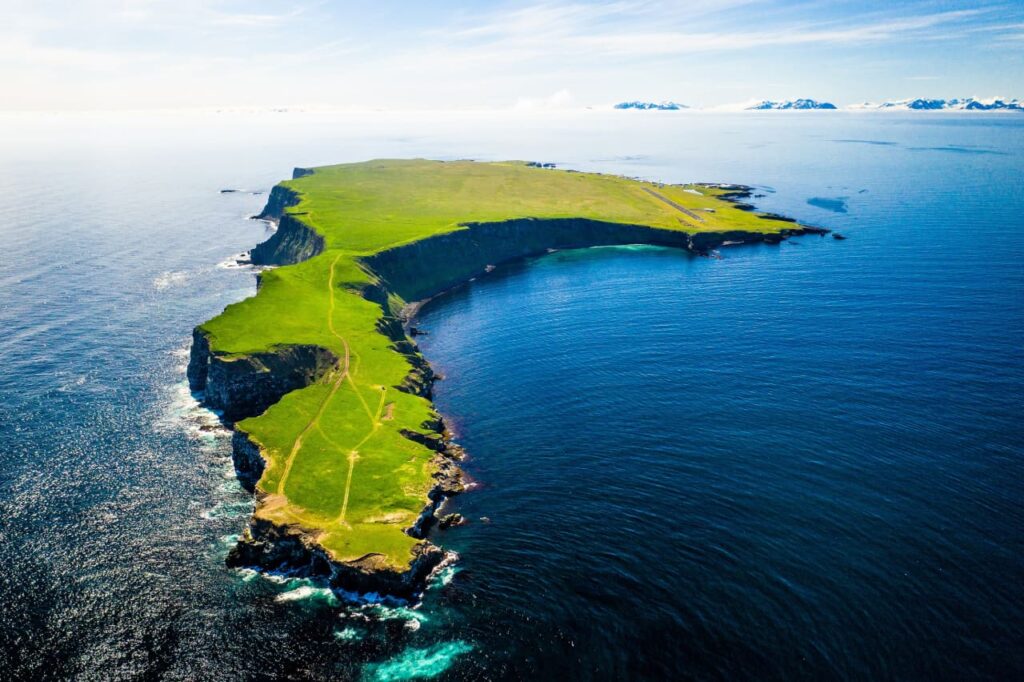
Grímsey, the northernmost inhabited region of Iceland, is a remote island covering just 6.5 square kilometers. Located approximately 40 kilometers off Iceland’s northern coast, Grímsey is renowned for its unique wildlife, stunning seabird colonies, and being the only part of Iceland that lies within the Arctic Circle.
The island is home to Arctic terns, puffins, black-legged kittiwakes, razorbills, and guillemots, making it a haven for bird watchers and nature enthusiasts. Icelandic horses and sheep also roam the rugged terrain, adding charm to this remote settlement. However, life on Grímsey is far from idyllic.

Reaching Grímsey: From Isolation to Accessibility
For centuries, access to Grímsey was limited to small boats that visited twice a year. Today, the island is more accessible, with a 20-minute flight from Akureyri and a ferry running three times a week from the mainland village of Dalvík. Despite these improvements, Grímsey remains one of Europe’s most remote communities, with just 20 residents staying through the harsh winters.
Challenges Facing Grímsey
Grímsey’s challenges stem largely from economic and demographic pressures. Strict fishing quotas, imposed by the Icelandic government, have severely impacted the island’s main livelihood. Local fishermen argue that establishing a fish processing operation, as required to maintain their fishing quota, is not feasible for such a small community.
The Icelandic Regional Development Institute has upheld this policy, leaving Grímsey’s fishermen with limited options. Adding to the pressure, local authorities in Akureyri, which administers the island, have reportedly been subtly encouraging residents to relocate.
Even with government interest in preserving settlements in all parts of the country, the future of Grímsey remains uncertain. Minister of Food, Agriculture, and Fisheries, Bjarkey Olsen Gunnarsdóttir, is considering forming a task force to address the island’s precarious situation, stating her commitment to maintaining Grímsey’s population.
A Community in Decline
Once a bustling community, Grímsey’s population has dwindled dramatically. Today, only a few fishermen and their families remain during the winter months, while summer brings a small influx of tourists eager to explore its wildlife and unique Arctic charm. However, harsh weather conditions, combined with economic struggles, continue to make life challenging for its residents.
The Fight to Sustain Grímsey
Despite these hardships, Grímsey holds cultural and historical significance, having been inhabited since Iceland’s earliest settlements. The question now is whether Grímsey’s remaining residents, with governmental support, can preserve this isolated yet enchanting community or if the island’s fate is to become an uninhabited sanctuary for wildlife.
For now, Grímsey stands as a testament to resilience in the face of adversity, offering a rare glimpse into life within the Arctic Circle while navigating the challenges of survival in modern times.